
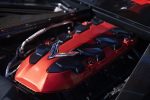
GM’s New 6.7-Liter LS6 V8 Gives the 2027 Chevy Corvette Stingray a Serious Attitude Upgrade

General Motors has officially introduced a new chapter for the Corvette’s small-block legacy, and it is a meaningful one. The 2027 Chevrolet Corvette debuts with an all-new 6.7-liter LS6 V8, a naturally aspirated engine that now serves as the standard powerplant for the Stingray while also anchoring the new Grand Sport family. With 535 horsepower and 520 lb-ft of torque, this becomes the most powerful base Corvette engine Chevrolet has ever offered, which is a pretty remarkable statement for a car that has never exactly struggled for performance credibility.
What makes this engine especially interesting is that GM did not chase bigger numbers through some flashy, complicated formula. Instead, it stayed true to the small-block recipe while refining it in ways that should matter to enthusiasts. The LS6 keeps the classic 4.4-inch bore spacing and cam-in-block layout, but displacement climbs to 6.7 liters through a longer stroke, while forged pistons and connecting rods help it live comfortably at its 6,500-rpm redline. Chevrolet also pushed compression up to 13.0:1 and developed new cylinder heads with targeted cooling around the hottest parts of the combustion chamber, which is the kind of engineering detail that makes this feel like more than a simple bored-and-stroked update.
Airflow was clearly another big part of the mission. GM gave the LS6 a larger 95-mm throttle body and a new tunnel-ram intake setup with a sizable plenum and shorter runners designed to increase air velocity into the combustion chambers. That sounds technical on paper, but the result is pretty simple to understand: more responsive breathing, more usable torque, and a stronger overall character. The torque peak now arrives lower in the rev range than the outgoing LT2, which should give the 2027 Stingray a noticeably meatier feel in everyday driving, not just when you are wringing it out at the top end.
Chevrolet also seems to have kept one eye firmly on sound and emotion, which matters in a Corvette more than any spec sheet can fully capture. The LS6 brings back tri-Y exhaust manifolds, and while GM says that choice was not made purely for peak power, it does help shape a more aggressive voice. There is no special performance exhaust required to unlock the full engine output either, though buyers can still opt for a center-exit setup that adds even more presence. For a car like this, that matters. Corvette buyers want numbers, but they also want theater, and this new engine sounds like it was built with both in mind.
The bigger picture here is what this engine says about where Corvette is headed. The LS6 does not just raise the Stingray’s ceiling, it also creates a stronger foundation for the rest of the lineup. Chevrolet has already confirmed the engine will power the 2027 Grand Sport and Grand Sport X as well, with the hybrid Grand Sport X using the same LS6 alongside a front electric motor for a combined 721 horsepower. That gives GM a much broader performance spread without abandoning the naturally aspirated V8 identity that still means so much to Corvette loyalists.
In a market increasingly filled with smaller engines, turbocharging, and electrified compromises, there is something refreshing about GM doubling down on a big, naturally aspirated small-block and making it better in meaningful ways. The 2027 Corvette Stingray was already an impressive sports car, but this new LS6 gives it a stronger backbone and a lot more swagger. For enthusiasts, that may be the most important takeaway of all. The base Corvette is no longer just the entry point to the lineup. With this engine, it feels like a headline act in its own right.

More Stories
2027 Chevy Corvette Grand Sport Returns With a 6.7-Liter V8 and the Formula Enthusiasts Have Been Waiting For
Chevrolet is finally giving the Corvette lineup a middleweight knockout punch again. The 2027 Corvette Grand Sport is back, and...
Jeep’s 2026 Moab Concepts Bring Back Vintage Style With a Restomod XJ and Retro Wranglers
Jeep knows exactly how to get enthusiasts talking when Easter Jeep Safari rolls around, and this year’s batch of Moab...
Rolls-Royce Cullinan Yachting Brings Bespoke Nautical Luxury to the SUV World
Rolls-Royce has once again found a way to turn the Cullinan into something far more expressive than a traditional ultra-luxury...
2027 Chevy Corvette Grand Sport X Replaces E-Ray With 721 HP and a New Hybrid AWD Formula
Chevrolet is not just reshuffling the Corvette lineup for 2027, it is making a very clear statement about where the...
GM Expands Native Apple Music to Buick and GMC Models as Its CarPlay Shift Keeps Evolving
General Motors is widening the reach of its native Apple Music app once again, this time bringing the feature to...
How to Source Smart and Keep Your Fleet Moving
Downtime is the enemy of every trucking operation, and nothing brings a rig to a halt faster than a damaged...