
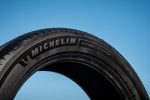
Michelin’s New EV-Focused Summer Tires Promise More Range Without Giving Up Grip

Michelin is making a strong case that the next big leap in efficiency may not come from a bigger battery pack or a new motor, but from the four contact patches connecting a vehicle to the road. With the debut of the new Primacy 5 energy and Pilot Sport 5 energy summer tires, the company is clearly chasing a sweet spot that automakers and drivers both want right now: better range, lower energy consumption, and real-world performance that does not feel watered down.
That matters because tires have become a much bigger part of the EV conversation than they used to be. Electric vehicles put unique demands on rubber thanks to their instant torque, added weight, and the constant push for every extra mile of range. Michelin’s answer is to build tires that are not just aimed at EVs, but flexible enough to serve internal combustion, hybrid, and fully electric vehicles alike. In other words, this is not niche tech for one corner of the market. It is Michelin trying to future-proof one of the most important categories in the tire business.
The more mainstream of the two launches is the Primacy 5 energy, and on paper it is the one that will likely get the most attention from everyday drivers. Michelin says it delivers a Triple A rating for energy efficiency, wet grip, and noise, while also improving longevity and safety. For EV owners, the headline figure is up to 70 km of extra driving range per charge. For combustion vehicles, Michelin says the tire can reduce fuel consumption by as much as 6%, which could add up to savings of around £147 over time while also trimming CO2 emissions. That is the kind of claim that moves this launch beyond marketing fluff and into something drivers can actually feel in their wallets.
What makes the Primacy 5 energy especially interesting is that Michelin is not pitching it as some low-resistance eco tire that gives up confidence when the weather turns bad. The company says wet braking improves over its predecessor, even as the tire is engineered for longer life and lower rolling resistance. That balancing act is where tire development gets genuinely impressive. Anyone can build a tire that leans hard in one direction. The real challenge is making one that does several things well at once, and Michelin seems eager to show it has done exactly that here.
Then there is the Pilot Sport 5 energy, which is aimed at drivers who still want sharp responses and genuine handling precision, but without accepting the traditional efficiency penalty that usually comes with sporty rubber. Michelin says this tire blends its motorsport-derived know-how with an A-rated rolling resistance score, which is a notable claim in the performance tire world. It is also said to deliver strong wet and dry grip while improving wear, two areas that performance-minded EV drivers will care about immediately, especially as heavier electric crossovers and sedans continue to blur the line between grand touring and outright performance.
The wildest detail in this entire announcement may be the endurance story attached to the Pilot Sport 5 energy. Michelin says the tire proved itself during the Mercedes-AMG GT Concept XX world record effort, maintaining a constant 300 km/h for nearly eight days. That is the sort of claim that grabs attention because it suggests this is not just another efficiency-first tire dressed up with a sporty name. Michelin wants buyers to believe this tire can handle serious stress while still delivering the kind of energy-saving benefits modern manufacturers are demanding.
Taken together, these two launches show where the industry is heading. The old compromises are getting harder to spot. Efficiency tires are expected to grip. Performance tires are expected to last. And with electrification pushing every component to do more, tires are no longer a background detail in the spec sheet. Michelin seems to understand that better than most, and if these new summer tires deliver in the real world the way the company says they will, they could become a very meaningful part of how future cars feel, perform, and stretch every charge or tank just a little farther.


More Stories
Discover Lasfit Toyota Floor Mats for Ultimate Interior Protection
When it comes to protecting your vehicle’s interior, Toyota all weather floor mats are an essential upgrade for every driver....
Scooty Lelo: Find the Best High Mileage Petrol Scooty for Daily Use
Choosing the right scooty is not just about looks or brand—it’s about practicality, affordability, and long-term value. In a country like India,...
2027 Volkswagen Atlas Interior Teaser Signals a Bigger Tech Push for VW’s Family SUV
Volkswagen is finally getting ready to pull the wraps off a fully redesigned 2027 Atlas, and the first teaser image...
2026 Buick Enclave Avenir AWD Review & Test Drive
Buick has long understood the appeal of a large three-row crossover that feels just a little more upscale than the...
Classic car values get talked about more than classic car miles
[a] The conversation around classic cars is changing. Where enthusiasts once traded stories about road trips and original mileage, today’s...
It’s time to move on up with the all-new Suzuki Across
Suzuki’s most advanced SUV has arrived in South Africa. Blending a striking "unforgettable" face with a fuel-efficient mild-hybrid engine and...