
Oil prices surge as Strait of Hormuz tanker disruptions rattle global supply

By DAVID McHUGH, AP Business Writer
FRANKFURT, Germany (AP) — Oil prices rose sharply Monday as disruptions in tanker traffic through the Strait of Hormuz chokepoint raised uncertainty about how U.S. and Israeli attacks on Iran would affect supply to the world economy.
Related Articles
US military says Kuwait ‘mistakenly shot down’ 3 American F-15E Strike Eagles aircraft during combat
Today in History: March 2, Black teen refuses to give up her bus seat
War widens to include Iranian-backed militias as Israeli and American planes pound Iran
US, Israeli airstrikes rock Iran
At least 22 people killed in Pakistan as protesters try to storm US Consulate
US oil traded 7.4% higher at $71.97 per barrel, while international standard Brent was up 7.7% at $78.46 per barrel.
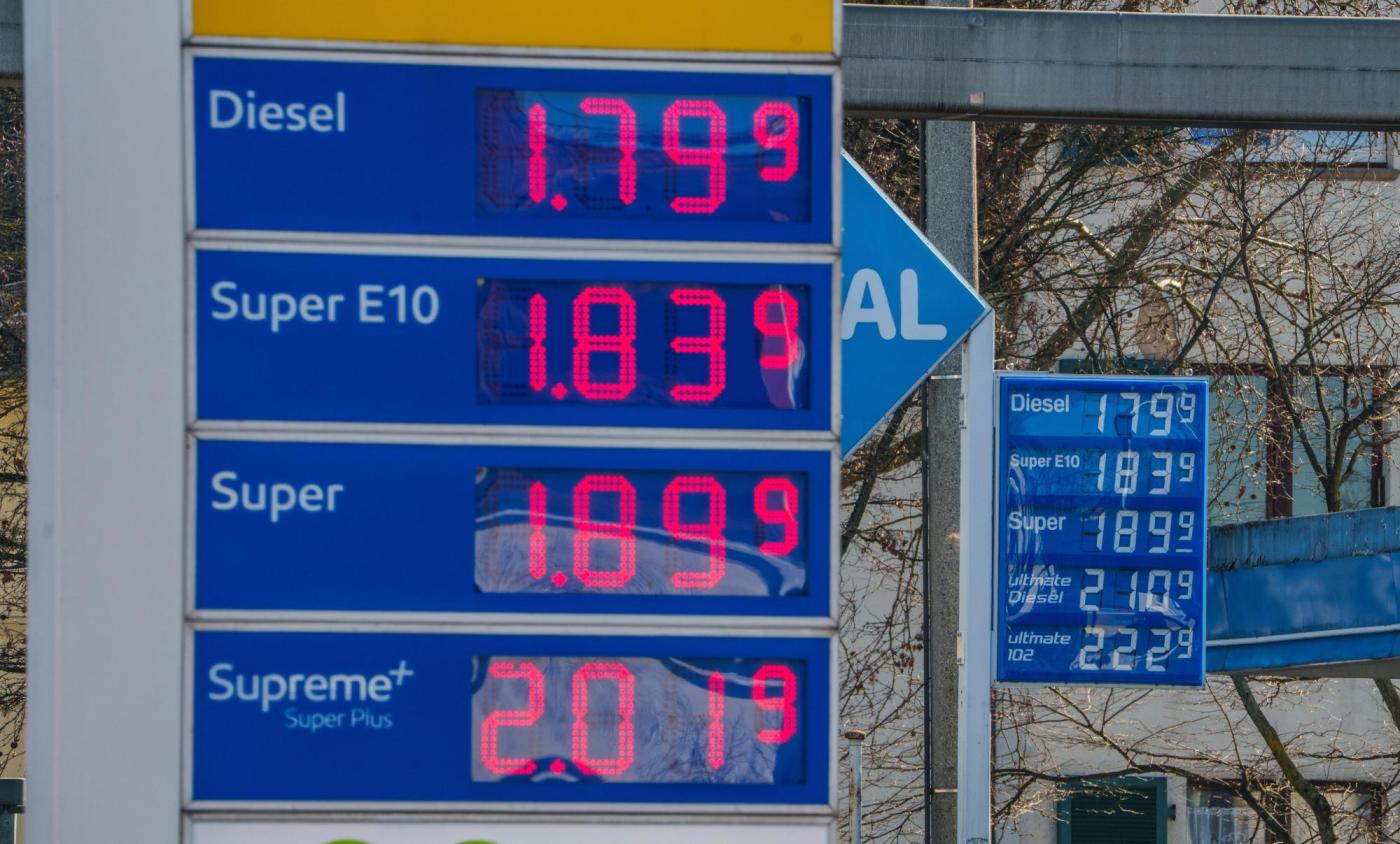
Higher oil prices raise the prospect of costlier gasoline prices for U.S. drivers as well as for other goods at a time when people in many countries have been stung by inflation.
A key focus was the situation around the strait at the southern end of the Persian Gulf, through which 20% of the world’s oil supply passes. Tanker traffic dropped sharply amid disruption of satellite navigation systems, data and analytics firm Kpler said on X, while the UK Maritime Trade Operations Centre reported attacks on several vessels in the area on either side of the strait and warned of elevated electronic interference to systems that show where ships are.
A bomb-carrying drone boat struck a Marshall Islands-flagged oil tanker in the Gulf of Oman on Monday, killing one mariner on board, Oman said. Iran has been threatening vessels approaching the Strait of Hormuz and is believed to have launched multiple attacks.
Saudi authorities reported they intercepted Iranian drones that attacked the Ras Tanura oil refinery near Dammam and the refinery was shut down as a precaution, Saudi state television reported. Market attention has focused on whether the conflict would widen to other oil-producing countries in the region.
FILE- In this Wednesday, June 8, 2011 file photo, sun sets behind an oil pump in the desert oil fields of Sakhir, Bahrain. (AP Photo/Hasan Jamali, File)
Monday’s price increase was within the $5-$10 per barrel range expected by analysts based simply on the fear factor associated with the outbreak of war. And some war concerns were already reflected in the price before the conflict started.
However, long-term disruption to ship traffic in the strait could send prices even higher, and so could damage to oil infrastructure in other Gulf countries. Meanwhile, a shorter conflict in which disruptions are easily reversible could mean the current price spike won’t last.

More Stories
From Scotland Yard Commander to Global Security Entrepreneur: Dr Ali Dizaei’s Leadership Story
There are career journeys that follow a straight line, predictable, uniform, and comfortable. And then there are journeys shaped by...
The Naughty AI President: A New Age of Governance
In the race to build better systems of governance, humanity has always chased an impossible ideal: the perfect ruler. Rational,...
Sends shares Q1 2026 business update and product progress
Sends reported Q1 2026 updates sharing news on digital cards, app redesign, ClearBank integration, and fintech industry recognition. Sends, a...
Government doubles down on gaming with £30m funding package as sector eyes global growth
The government has fired the starting gun on a £30 million funding offensive aimed at Britain’s video games sector, urging...
Rising energy costs from Middle East conflict set to leave UK households £480 worse off this year
Rising energy costs triggered by the escalating Middle East conflict are on course to strip nearly £500 from the finances...
UK firms risk being left behind as AI adoption gap widens, warns PwC
British businesses are in danger of being left stranded in the middle of the pack on artificial intelligence, with a...