
Family of UN human rights investigator sues Trump administration over sanctions for Israel criticism

By FARNOUSH AMIRI
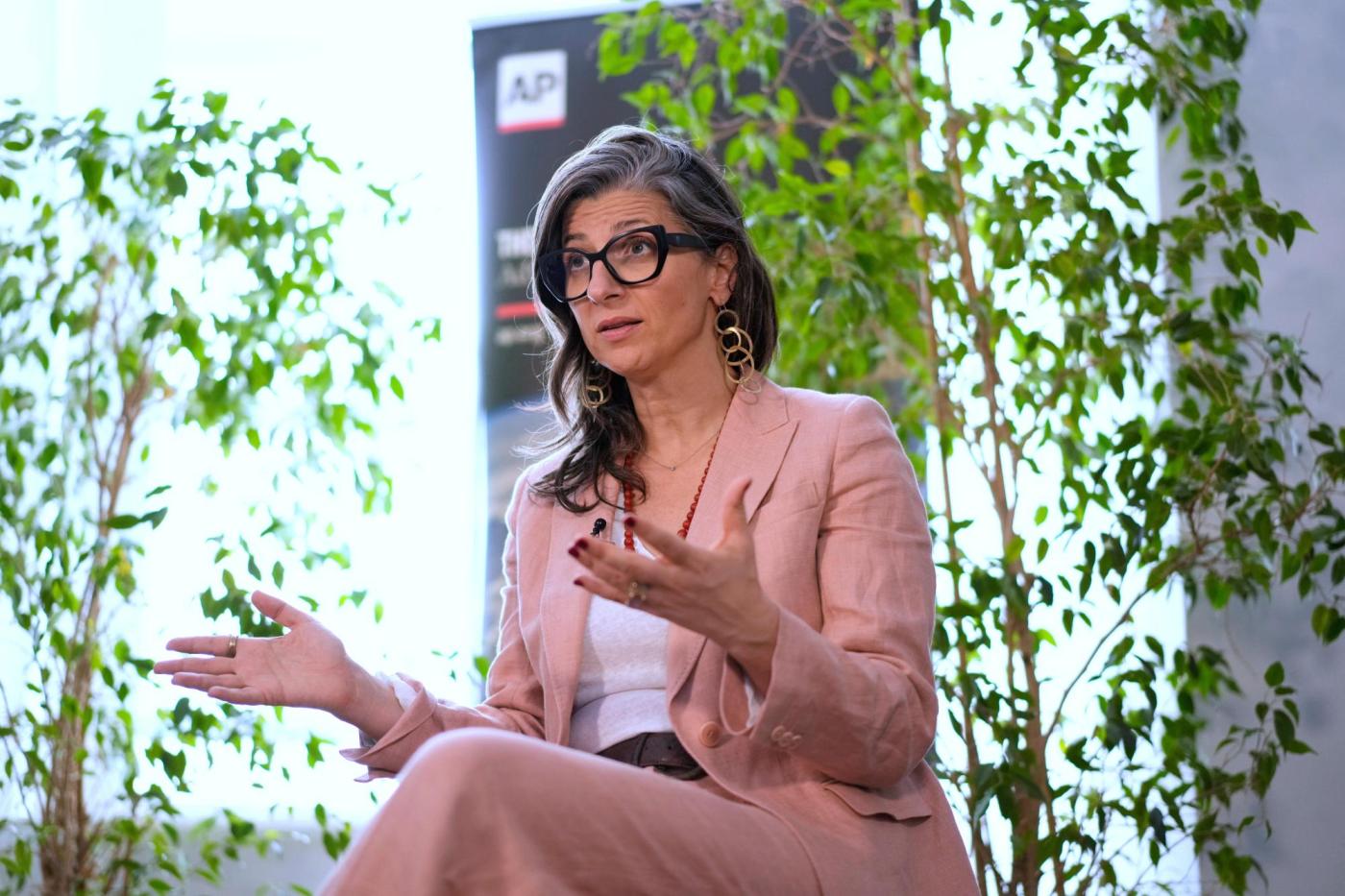
The family of independent U.N. investigator Francesca Albanese has sued the Trump administration over U.S. sanctions imposed on her last year for her criticism of Israel’s policies during the war with Hamas in Gaza, saying the penalties violate the First Amendment.
In a lawsuit filed Wednesday in the U.S. District Court in Washington, Albanese’s husband and minor child outlined the serious impact those sanctions have had on the family’s life and work, including the ability to access their home in the nation’s capital.
Related Articles
Pakistani man is on trial over Trump assassination plot with ties to Iran, US prosecutors say
Trump administration asks the Supreme Court to allow an end to legal protections for Syrian migrants
FBI fires agents who worked on Trump classified document investigation, AP sources say
What Americans think about Trump’s judgment on military force as Iran talks resume: new AP-NORC poll
Hillary Clinton testifies she has no information on Epstein’s criminal activities
“Francesca’s expression of her views about the facts as she has found them in the Israeli-Palestinian conflict and about the work of the ICC is core First Amendment activity,” the lawsuit says, referring to the International Criminal Court. That tribunal has issued arrest warrants against Israeli officials, including Prime Minister Benjamin Netanyahu, over allegations of war crimes.
“At its heart, this case concerns whether Defendants can sanction a person — ruining their life and the lives of their loved ones, including their citizen daughter — because Defendants disagree with their recommendations or fear their persuasiveness,” according to the filing.
The White House and State Department did not immediately respond to requests for comment.
Albanese, the U.N. special rapporteur for the West Bank and Gaza, is a member of a group of experts chosen by the 47-member U.N. Human Rights Council in Geneva. She has been tasked with investigating human rights abuses in the Palestinian territories and has been vocal about what she has described as the “genocide” by Israel against Palestinians in Gaza.
Both Israel and the United States, which provides military support to its close ally, have strongly denied the genocide accusation. Washington had decried what it has called Albanese’s “campaign of political and economic warfare” against the U.S. and Israel before imposing sanctions on her in July after an unsuccessful American pressure campaign to force the international body to remove her from her post.
Shortly after being sanctioned, the Italian human rights lawyer told The Associated Press in an interview about the effect it would have on her, both personally and professionally.
“My daughter is American. I’ve been living in the U.S. and I have some assets there. So of course, it’s going to harm me,” Albanese said last summer. “What can I do? I did everything I did in good faith, and knowing that, my commitment to justice is more important than personal interests.”
But the sanctions have not dissuaded Albanese from her work or her viewpoints. She has continued to issue scathing reports about Israel’s activity, including one focused on what she said was the country’s “genocidal economy” in Palestinian territories.
Palestinians gather for iftar, the fast-breaking meal, during the Muslim holy month of Ramadan amid the rubble of destroyed buildings in Gaza City, Sunday, Feb. 22, 2026. (AP Photo/Jehad Alshrafi)
Danny Danon, the Israeli ambassador to the United Nations, said last year after one of her reports that “she has taken the word ‘genocide,’ born from the ashes of the Holocaust, and turned it into a weapon — not to defend the victims of history, but to attack them.”
Israeli strikes have repeatedly disrupted the U.S.-brokered ceasefire deal from Oct. 10. There has been some progress, including the reopening of the Rafah crossing, but Israel and Hamas, which has been designated as a terrorist organization by the United States, Canada and the European Union, are divided over the timeline and scope of Israel’s withdrawal from Gaza and the disarmament of the group.
While special rapporteurs do not represent the U.N. and have no formal authority, their reports can step up pressure on countries, while their findings inform prosecutors at the ICC and other venues working on transnational justice cases.
Associated Press writer Michael Kunzelman in Washington contributed to this report.
More Stories
Modi visita Israel, promete lucha conjunta contra el terrorismo
JERUSALÉN (AP) — El primer ministro de India, Narendra Modi, se comprometió a respaldar a Israel en “oponerse al terrorismo...
Twins rotation depth takes another hit with David Festa setback
When the Twins entered camp, they were touting their starting pitching depth with eight major-league ready starters competing for five...
ByHeart infant botulism outbreak ends with 48 babies sickened
ATLANTA (AP) — A rare outbreak of infant botulism that sickened dozens of babies who drank recalled ByHeart formula is...
ByHeart infant botulism outbreak ends with 48 babies sickened
ATLANTA (AP) — A rare outbreak of infant botulism that sickened dozens of babies who drank recalled ByHeart formula is...
Columbia student detained by federal agents who claimed to be seeking ‘missing person,’ school says
By JAKE OFFENHARTZ NEW YORK (AP) — Federal immigration agents detained a Columbia University student early Thursday after gaining access...
Columbia student detained by federal agents who claimed to be seeking ‘missing person,’ school says
By JAKE OFFENHARTZ NEW YORK (AP) — Federal immigration agents detained a Columbia University student early Thursday after gaining access...