
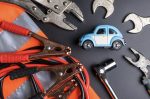
Workshop Tools Worth Having for DIY Car Maintenance

For many car enthusiasts, ownership goes beyond driving. It includes understanding how a vehicle works, keeping it in top condition, and sometimes getting your hands dirty in the garage. DIY maintenance isn’t just about saving money, it’s about building a closer connection to your car and having confidence in its reliability.
You don’t need a professional shop or a huge investment to start maintaining your own vehicle. With a thoughtful selection of tools and a bit of knowledge, many routine jobs become approachable. Oil changes, brake inspections, battery swaps, and fluid checks are all within reach for the motivated owner.
The key is having the right tools on hand. The following are workshop essentials that make DIY maintenance safer, easier, and more effective.
A Solid Socket and Wrench Set
If there’s one place to start, it’s here. A quality socket set with both metric and SAE sizes covers most automotive fasteners. Pair it with ratchets in multiple drive sizes and a combination wrench set.
Cars are assemblies of bolts and nuts, and having the correct size prevents stripping and frustration. Deep sockets are particularly useful for spark plugs and recessed fasteners.
Invest once in a reliable set, and it will serve you for years.
A Reliable Floor Jack and Jack Stands
Working under a vehicle requires proper support. A hydraulic floor jack allows you to lift the car smoothly, but it should never be the sole support. Jack stands are essential for safety.
Quality stands rated for your vehicle’s weight provide peace of mind when rotating tires, inspecting suspension, or accessing the undercarriage. Many experienced DIYers will say this is the most important safety investment in a home garage.
A Torque Wrench
Modern vehicles are engineered with precise torque specifications. Over-tightening or under-tightening can cause damage or safety issues.
A torque wrench ensures lug nuts, drain plugs, and other fasteners are tightened to manufacturer specs. It’s a tool that prevents costly mistakes and improves professionalism in DIY work.
OBD-II Scanner
Today’s vehicles are rolling computers. When a check engine light appears, guessing isn’t helpful. An OBD-II scanner allows you to read diagnostic codes and understand what the car is trying to tell you.
Even a basic scanner can help identify whether an issue is minor or requires professional service. More advanced units provide live data and deeper insights.
For DIYers, this tool turns mystery into information.
Oil Drain Pan and Fluid Tools
Routine fluid changes are among the easiest maintenance tasks. An oil drain pan, funnel set, and fluid transfer pump keep the process clean and efficient.
Spills and contamination can cause headaches, so having dedicated tools makes the job smoother. Clear labeling for different fluids also helps prevent mix-ups.
Brake Service Tools
Brake jobs are one of the most satisfying DIY tasks because the results are immediately noticeable. A brake caliper tool kit, C-clamps, and a wire brush for cleaning components make the job far easier.
Proper tools also reduce the risk of damaging calipers or hardware.
Lighting and Inspection Gear
Good visibility transforms garage work. LED work lights, headlamps, and magnetic lights let you see into tight spaces.
Inspection mirrors and telescoping magnets help retrieve dropped fasteners and view hidden areas. These small tools often save significant time.
Garage Organization Matters Too
A cluttered workspace slows everything down. Tool chests, rolling carts, and pegboards keep gear accessible and protected.
Organized tools reduce wasted time and make maintenance more enjoyable. Many enthusiasts find that a tidy garage encourages them to work on their vehicles more often.
Where DIYers Source Their Tools
As DIY maintenance has grown in popularity, enthusiasts have more options than ever for sourcing tools. Big-box retailers, specialty auto stores, and online platforms all play a role.
Many car owners explore dedicated garage-focused retailers such as My Garage Supplies when looking for lifts, jacks, and workshop equipment. Specialized suppliers often carry gear designed specifically for automotive environments, which can be valuable for serious DIYers building out their workspace.
Beyond automotive tools, many DIYers also source outdoor and property accessories online, especially for garages, workshops, or waterfront homes. Items such as a nautical flag pole are now just as easy to research and purchase digitally, reflecting how online platforms support a wider range of practical projects.
Choosing quality tools from reputable sources helps ensure safety and longevity.
Start Small, Build Over Time
One of the biggest misconceptions is that you need a fully stocked garage from day one. In reality, most DIYers build their tool collection gradually. Start with basics, then add tools as new projects arise.
Each new skill naturally suggests the next tool purchase.
The Reward of DIY Maintenance
There’s something deeply satisfying about completing your own maintenance. You learn how your car works, you notice issues earlier, and you gain confidence behind the wheel knowing your vehicle has been cared for properly.
DIY work also fosters a deeper appreciation for engineering and craftsmanship. It connects owners to the machines they drive daily.
Not every job should be tackled at home, but many can be. With the right tools and mindset, DIY maintenance becomes less intimidating and more rewarding.


More Stories
Super Bowl LX Car Commercials and Cameos Worth Watching
Super Bowl Sunday has a funny way of turning even non football people into commercial critics for a few hours....
When your car becomes your best Slovak investment
In Slovakia, a car is more than a way to get from A to B. For many, it’s a calculated...
Nissan’s e-Power Hybrid Finally Edges Toward the U.S., With the Rogue Likely First
After years of being limited to overseas markets, Nissan’s e-Power hybrid system appears to be inching closer to a U.S....
UK January 2026: Jaecoo 7 up to #2
The Jaecoo 7 is only outsold by the Kia Sportage in January. The UK new car market is up 3.4%...
Finland January 2026: Tesla Model Y and Toyota Yaris Cross lead, Mercedes CLA in Top 10 again
The Mercedes CLA ranks #9 in Finland this month. Yet more worries for new car sales in Finland at -5.1%...
Argentina January 2026: Ford Territory repeats at record #4
The Territory is Ford’s best-seller in Argentina in January. The Argentinean new vehicle market drops -5.3% year-on-year in January to...