
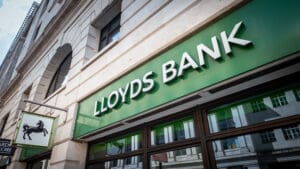
Lloyds to return £3.1bn to investors as profits surge past forecasts

Lloyds Banking Group is handing more than £3.1 billion back to shareholders after delivering stronger-than-expected annual profits, underlining the financial firepower of Britain’s biggest domestic lender.
The FTSE 100 bank reported full-year pre-tax profits of £6.66 billion, up 12 per cent on 2024 and comfortably ahead of the £6.38 billion forecast by City analysts. The performance was supported by lower-than-expected bad loan provisions and growing income from non-lending activities.
Lloyds announced a final dividend of 2.43p per share, up from 2.11p a year earlier, equating to a £1.43 billion cash payout to investors. In addition, the bank revealed plans for a share buyback of up to £1.75 billion, taking total capital returns for the year to more than £3.1 billion.
The lender said it would now review excess capital distributions every six months, alongside its ordinary dividend, reflecting “increasing confidence in our capital generation”.
Lower impairments helped drive the profit beat. Charges for bad loans totalled £795 million, well below the £920 million expected by analysts. Lloyds has also been pushing to diversify beyond traditional lending, under chief executive Charlie Nunn, expanding fee-based income from areas such as wealth management and insurance.
While underlying net interest income rose 6 per cent to £13.6 billion, non-interest income increased by 9 per cent to £6.1 billion, highlighting the growing contribution of these newer revenue streams.
The bumper shareholder returns are likely to attract attention amid debate over bank capital rules. In December, the Bank of England outlined plans to ease capital requirements from 2027 for the first time since the 2008 financial crisis, with the aim of boosting lending. Critics have warned that banks could instead use the extra headroom to increase payouts.
Lloyds finance director William Chalmers said the dividend and buyback were not driven by the central bank’s proposals. “We have not changed our capital standards, and we have continued to lend heavily,” he said.
Management also upgraded guidance for the year ahead. Lloyds now expects to deliver a return on tangible equity of more than 16 per cent in 2026, up from its previous target of above 15 per cent. For 2025, the bank reported a return of 12.9 per cent, weighed down by an additional £800 million charge linked to the motor finance mis-selling scandal.
In total, Lloyds has set aside almost £2 billion to cover potential compensation costs related to the affair.
As the UK’s largest mortgage lender, Lloyds is closely watched as a bellwether for the domestic economy. The bank nudged up its forecast for UK GDP growth this year to 1.2 per cent, from 1 per cent previously, but now expects unemployment to rise to 5.2 per cent, compared with an earlier estimate of 5 per cent.
Lloyds also highlighted the growing role of artificial intelligence in its operations. The bank said AI delivered a £50 million benefit last year through higher revenues and improved staff productivity. Nunn acknowledged uncertainty around the longer-term impact of AI on jobs, adding: “We don’t quite know how this will play out over the medium term, but we’ll be very sensitive to it.”
Shares in Lloyds rose 0.9 per cent to 105½p following the results.
Read more:
Lloyds to return £3.1bn to investors as profits surge past forecasts


More Stories
Líder de Níger acusa a Francia, Benín y Costa de Marfil de ataque en aeropuerto
Por MARK BANCHEREAU DAKAR, Senegal (AP) — El líder militar de Níger acusó a los presidentes de Francia, Benín y...
Trump nominará al exgobernador de la Reserva Federal Kevin Warsh como próximo presidente de la Fed
WASHINGTON (AP) — Trump nominará al exgobernador de la Reserva Federal Kevin Warsh como próximo presidente de la Fed.
Israel reabrirá el cruce fronterizo de Gaza con Egipto el domingo, tras casi dos años cerrado
Associated Press JERUSALÉN (AP) — Israel anunció el viernes la reapertura del cruce fronterizo entre la Franja de Gaza y...
Ukraine is bracing for brutal weather as Trump says Putin agreed to halt power grid attacks
By SUSIE BLANN, Associated Press KYIV, Ukraine (AP) — Ukraine waited for signs on Friday that Russia is abiding by...
Ukraine is bracing for brutal weather as Trump says Putin agreed to halt power grid attacks
By SUSIE BLANN, Associated Press KYIV, Ukraine (AP) — Ukraine waited for signs on Friday that Russia is abiding by...
Redadas del ejército de Pakistán matan a 41 insurgentes en el suroeste
Associated Press ISLAMABAD (AP) — Las fuerzas de seguridad de Pakistán allanaron dos escondites de milicianos en el suroeste del...