
Distracted Driving: What Every Driver Must Know

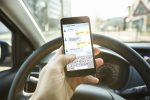
Distracted driving is one of the leading causes of serious road collisions in Texas. It occurs whenever a driver diverts attention from the primary task of driving to another activity, even for a moment. Distracted driving as a critical safety issue that demands informed action, responsible behavior, and strong public awareness. Understanding how distractions occur, why they are dangerous, and how to prevent them is essential for reducing injuries, fatalities, and long-term consequences on roads in Houston.
What Constitutes Distracted Driving
Distracted driving includes any activity that takes a driver’s eyes, hands, or mind away from operating a vehicle safely. These distractions fall into three primary categories.
Visual distractions involve taking one’s eyes off the road, such as looking at a phone screen, GPS device, dashboard controls, roadside incidents, or billboards.
Manual distractions involve removing one or both hands from the steering wheel, including texting, eating, adjusting audio controls, reaching for objects, or holding a mobile device.
Cognitive distractions involve mental diversion from driving, such as engaging in phone conversations, daydreaming, dealing with emotional stress, or focusing on passengers rather than traffic conditions.
Most real-world distractions involve a combination of these three forms. Texting while driving is particularly dangerous because it simultaneously requires visual, manual, and cognitive engagement.
The Most Common Distracted Driving Behaviors
Mobile phone use remains the dominant cause of driver distraction. This includes reading or sending text messages, browsing social media, checking notifications, making calls, and interacting with apps.
In-vehicle distractions include eating, drinking, grooming, smoking, changing music selections, programming navigation systems, and handling climate controls.
Passenger-related distractions involve conversations, arguments, or physical interactions with occupants, particularly in vehicles carrying children or multiple passengers.
External distractions include rubbernecking at accidents, roadside advertising, construction activity, or unusual roadside events that divert attention from traffic flow.
Why Distracted Driving Is So Dangerous
Driving requires continuous attention, situational awareness, and split-second reaction capability. Even a brief distraction dramatically increases collision risk.
At highway speeds, a vehicle travels the length of a football field in just a few seconds. A short glance away from the road can be enough to miss sudden braking, lane changes, or unexpected hazards.
Distractions impair reaction time, lane control, speed regulation, and hazard perception. They reduce the ability to detect vulnerable road users such as pedestrians, cyclists, and motorcyclists.
Cognitive distractions are particularly insidious because a driver may believe they are paying attention while their brain is partially disengaged from the driving task.
The Impact of Distracted Driving Collisions
Distracted driving collisions often result in severe injuries due to delayed braking and lack of evasive action. Common injuries include traumatic brain injuries, spinal cord damage, fractures, internal organ injuries, and long-term neurological impairment.
Property damage claims from distracted driving crashes are substantial and frequently involve multi-vehicle pileups.
Fatal crashes caused by distraction leave families with devastating emotional loss, financial hardship, and unresolved grief.
Insurance claims, legal disputes, and liability findings often hinge on whether a distracted behavior contributed to the collision.
Legal Consequences of Distracted Driving
Many jurisdictions have enacted strict distracted driving laws, including handheld device bans, texting prohibitions, and graduated penalties for repeat offenders.
Violations may result in fines, license points, increased insurance premiums, and possible license suspension.
If a distracted driver causes a crash, civil liability may include compensation for medical expenses, lost income, property damage, and pain and suffering.
Severe cases involving fatalities or catastrophic injuries may result in criminal charges such as vehicular manslaughter or reckless endangerment.
High-Risk Groups and Situations
Young and inexperienced drivers are statistically more prone to distraction due to mobile device dependency and lower risk perception.
Commercial drivers face elevated distraction risk from dispatch communications, navigation systems, and tight delivery schedules.
Drivers in congested urban environments encounter more stimuli, increasing cognitive load and distraction susceptibility.
Long-distance drivers may become fatigued and mentally disengaged, increasing vulnerability to distraction.
How Technology Contributes to Distraction
Smartphones provide constant alerts, social engagement, and entertainment access that competes directly with driving attention.
In-vehicle infotainment systems add complexity through touchscreens, voice controls, and integrated applications.
Advanced driver assistance features may create false confidence, leading drivers to divert attention from active driving tasks.
Wearable devices, smartwatches, and connected dashboards introduce additional notification streams.
Effective Strategies to Prevent Distracted Driving
We emphasize proactive measures to eliminate distractions before driving begins.
Silence or disable mobile notifications and place devices out of reach.
Set navigation routes and playlists prior to departure.
Pull over safely to handle urgent communications or adjustments.
Use hands-free systems cautiously and minimize conversation complexity.
Avoid eating, grooming, or multitasking while driving.
Encourage passengers to support a distraction-free driving environment.
Employ apps and vehicle features designed to block or limit mobile use while driving.
Distracted Driving and Insurance Claims
Insurance providers often investigate distraction indicators following collisions.
Phone records, vehicle telemetry data, witness statements, and surveillance footage may be used to establish distraction.
Claims involving distracted driving frequently result in reduced coverage defenses for at-fault drivers.
Victims of distracted driving may pursue compensation for medical treatment, rehabilitation, lost wages, and diminished earning capacity.
Long-Term Societal Costs of Distracted Driving
Healthcare systems bear the financial burden of emergency response, surgeries, long-term care, and rehabilitation.
Productivity losses arise from workplace absences, disability, and premature death.
Legal systems face increased caseloads related to personal injury litigation.
Families endure emotional trauma, financial instability, and prolonged recovery challenges.
Public Awareness and Education Initiatives
Education campaigns play a critical role in reshaping driving behavior norms.
School programs introduce early awareness of distraction risks.
Government safety initiatives reinforce legal compliance and social responsibility.
Eliminating Distractions Saves Lives
Distracted driving is entirely preventable. Every decision to engage in a secondary task while driving increases risk exponentially. We advocate disciplined attention, responsible technology use, and continuous public education as the foundation for safer roads. Eliminating distractions preserves lives, protects families, and reduces the human and economic costs of roadway collisions.


More Stories
Bentley Supersports Full Send Puts Travis Pastrana Sideways at the Crewe Dream Factory
Bentley just dropped what it’s calling the most dynamic film in its history, and it’s exactly the kind of unexpected...
Electric Vehicle or Gas-Powered Cars: Which is the Better Choice in 2026?
Since electric vehicles gained popularity, there has been a heated debate about whether they are better than gasoline-powered vehicles. Many...
Singer Unleashes the Sorcerer as the First Customer DLS Turbo Porsche 911 Reimagined Build
Singer has officially handed over the first customer car completed through its DLS Turbo services, and it comes with a...
Bugatti F.K.P. Hommage Reimagines the Veyron to Honor Ferdinand Piëch and 20 Years of Hypercar History
Twenty years after the Veyron changed what we thought a road car could be, Bugatti is circling back with a...
Mercedes-Benz and Sony Pictures Animation Team Up for GOAT Film With New CLA and Electric GLC in the Spotlight
Mercedes-Benz is heading to the movies this winter, announcing a collaboration with Sony Pictures Animation’s upcoming theatrical release GOAT, set...
The Questions Injury Victims Ask Most Often
The aftermath of a sudden accident is a period defined by intense confusion and an overwhelming sense of uncertainty for...