
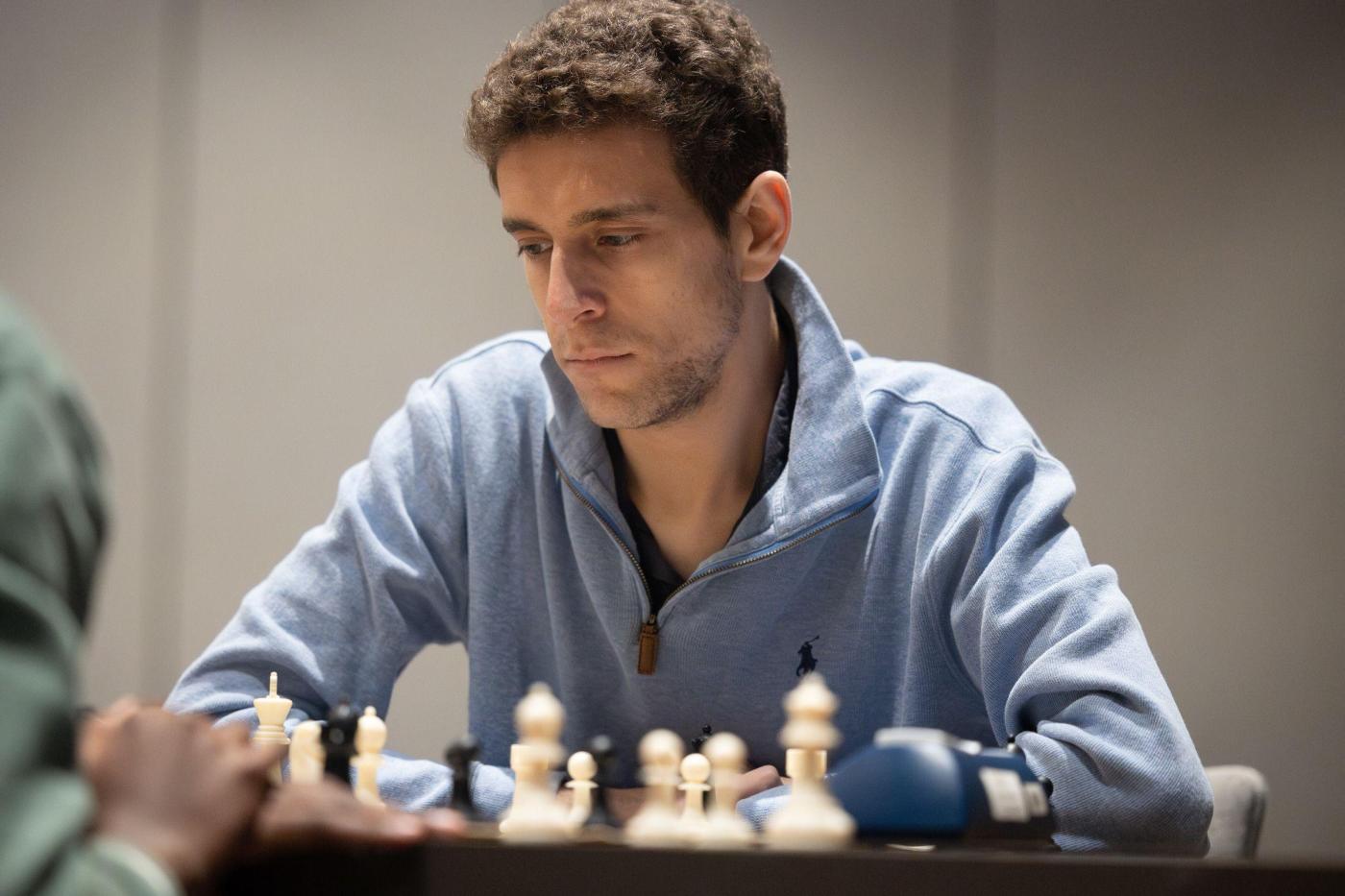
Chess grandmaster died of cardiac arrhythmia with methamphetamine, kratom in his system

A chess grandmaster from the Bay Area who died in October was found to have died due to a probable cardiac arrhythmia and had methamphetamine and the active ingredients of kratom in his system at the time of his death, authorities said.
Daniel Naroditsky, 29, a Foster City native who became one of the most influential voices in the sport of chess, died Oct. 19 at his North Carolina home.
In January, an investigative report listed Naroditsky’s pending probable cause of death as cardiac arrhythmia and cardiac involvement in systemic sarcoidosis, according to documents obtained from the North Carolina Office of the Chief Medical Examiner. Methamphetamine and kratom use are listed as contributing conditions. The medical examiner also listed the manner of Naroditsky’s death as an accident.
“The circumstances and scene findings suggest that death occurred suddenly, without evidence of acute distress.” the medical examiner wrote. “He did not contact friends or emergency services with complaints of severe illness or pain.”
A postmortem toxicology report conducted Oct. 23 found methamphetamine, amphetamine, mitragynine and 7-Hydroxymitragynine in his system. The levels of the substances found were at levels considered to be non-lethal, authorities said.
Mitragynine and 7-Hydroxymitragynine are the two active components of kratom, which is sourced from trees in Southeast Asia and is a stimulant in low doses and a sedative in high doses, according to a fact sheet from the Drug Enforcement Administration. Kratom is not federally regulated and has not been approved for medical uses by the FDA.
On a separate page, dated in October, the fatal injury or illness is listed as “Kratom and/or illicit substance toxicity vs. Pneumonia.” Naroditsky also had clusters of contusions on both thighs that were in various stages of healing, according to the report.
At the time of his death, Naroditsky did not have a known medical history, authorities said. He was found unresponsive on his couch by friends after missing a planned flight to Colorado. He was last confirmed to be alive around 3 p.m. on Oct. 18, when he received a delivery of a meal that was sitting on his dining room table, partially eaten, when he was found.
A few days after Naroditsky’s death, the International Chess Federation announced a disciplinary and ethics investigation into Vladimir Kramnik, 50, a chess grandmaster who had accused several chess champions, including Naroditsky, of cheating.
Kramnik alleged that these grandmasters used artificial intelligence on a separate computer screen to suggest chess moves, pointing to shifting eyes as evidence. Naroditsky denied the allegations and had the support of other chess grandmasters who painted them as baseless. After Naroditsky’s death, Kramnik called for a police investigation but also defended himself as a whistleblower.
The chess federation, known by its French acronym FIDE, filed an official complaint against Kramnik to its Ethics & Disciplinary Commission in November, outlining a “pattern of conduct” over two years that included harassment and “the insulting of an individual’s dignity” directed toward Naroditsky and another player, according to a press release from FIDE.
There was initial concern that Naroditsky’s death may have been due to an overdose on illicit substances, based on concern from friends and viewers that he had been exhibiting altered mental status while streaming the night before he was found deceased, authorities said.
Two days before, friends visited Naroditsky’s home and confiscated 40 pills, which they described to authorities as “probably Adderall,” after he had exhibited “concerning altered mental status” while live-streaming online.
Authorities did not find any drug paraphernalia, illicit substances or beverages containing alcohol in Naroditsky’s residence. They did locate bags of kratom powder and foreign over-the-counter medications used to treat colds, sore throats and coughs, authorities said.
The toxicology report revealed methamphetamine and amphetamine at levels that indicated the amphetamine was present from the metabolism of methamphetamine rather than direct ingestion, authorities added. Naroditsky did not have any prescriptions for methamphetamine or amphetamine listed in the North Carolina Controlled Substance Reporting System.
Radiographic imaging completed after Naroditsky’s death was “highly suggestive” of lung disease, authorities said. The medical examiner narrowed down the diagnosis to sarcoidosis, which causes a build-up of immune cells in organs and tissues.
The investigation found that there was “no evidence for intentional or unintentional overdose,” the medical examiner wrote, but the substances found in his system can increase the risk of cardiac arrhythmia and may have contributed to his death.
Law enforcement officials do not suspect foul play in Naroditsky’s death.
Naroditsky was raised in Foster City, where he first won a children’s chess world championship title as a sixth grader in 2007. He competed in his first chess tournament in Fremont at age six. He went on to earn the title of grandmaster at the age of 18.
Naroditsky studied at Hillsborough’s Crystal Springs Uplands School, then attended college at Stanford University, where he studied history. At the time of his death, Naroditsky was working as a coach at the Charlotte Chess Center in North Carolina. He also streamed videos of his chess games and commentary of other games on his Twitch and Youtube channels.
Naroditsky was ranked in the top 200 worldwide traditional chess players and won titles for blitz chess, a faster-paced game in which he ranked in the top 25. His most recent win was in August 2025, when he won the U.S. National Blitz Championship.


More Stories
US court rules against Pentagon in killer AI dispute
The Department of War had ordered contractors to drop Anthropic after it refused to allow military use of its technology...
Which Interior Flooring is Best?
Where do you start when choosing new flooring? When shopping for new flooring a good place to start is to...
Petrol set to top £1.50 a litre as Iran war drives fuel price surge
UK drivers are bracing for a sharp rise in fuel costs, with petrol prices expected to exceed £1.50 per litre...
Dyson hit by £440m sales drop as Trump tariffs bite
Dyson has reported a £440 million drop in annual sales after being hit by US trade tariffs, although the group...
Octopus Investments to cut 20% of staff as AI reshapes asset management
Octopus Investments is set to cut around a fifth of its workforce as it accelerates the adoption of artificial intelligence,...
Next to invest £300m in UK logistics as new warehouse set to deliver £2.5bn boost
Next has unveiled a major expansion of its UK logistics network, committing more than £300 million to new warehouse infrastructure...