
Ex-Massachusetts state employee convicted of giving drugs to federal inmate is sentenced

A former state employee who was convicted of giving drugs to a federal prison inmate has been sentenced, according to the feds.
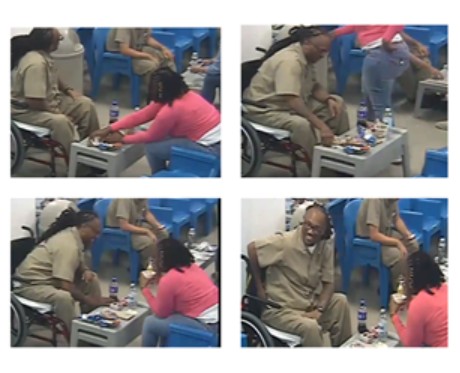
Bridgewater woman Tasha Hammock, 44 — who was previously with the Massachusetts Department of Environmental Protection — had pleaded guilty of providing a synthetic cannabinoid, also known as “K2,” to an inmate at FMC Devens.
The federal prisoner, Raymond Gaines, was granted clemency by President Biden during his final week in office.
While the Massachusetts U.S. Attorney’s office urged the federal judge to sentence Hammock to 12 months in prison, she was sentenced to three years probation.
Hammock was a program coordinator at the state Department of Environmental Protection, and she took home more than $84,000 in total pay in 2024, according to state payroll records.
On Aug. 18, 2024, Hammock was visiting Gaines in prison and she surreptitiously passed K2-laced papers to him, which he pocketed.
Gaines in 2022 had been sentenced to more than seven years in prison after pleading guilty in Boston federal court to possession with intent to distribute cocaine and possessing a firearm in furtherance of drug trafficking.
At the time Gaines committed the alleged offenses, he was on federal supervised release after serving a prison sentence resulting from a 2017 conviction for distributing cocaine base within 1,000 feet of a school.
In both prior cases, Gaines was alleged to be an associate of the Orchard Park Trailblazers, a street gang in Boston.
Then last Jan. 17, Gaines received an executive grant of clemency from Biden — reducing his federal sentence to five years in prison.
Gaines has since been indicted by a federal grand jury with possessing contraband by a prison inmate, in connection with this incident at FMC Devens.
Inmates at Devens in the past have become sick from smoking paper believed to contain K2, as well as prison staff who have been exposed to the secondary smoke.
K2 has also been a problem in state prisons, including at MCI-Shirley where a correction officer in 2024 was exposed to a toxic substance and rushed to the hospital.


More Stories
Roadchef secures 75-year leases to unlock £300m motorway investment
Roadchef is set to invest more than £300 million across its network after securing 75-year lease extensions on five key...
UK warned it will rely on US gas as calls grow to boost North Sea output
Britain risks becoming heavily dependent on US gas imports within the next decade, prompting renewed calls for increased North Sea...
Oracle cuts thousands of jobs as Ellison doubles down on AI investment
Oracle has begun cutting thousands of jobs as it accelerates a costly push into artificial intelligence infrastructure, with analysts warning...
Marmite and Hellmann’s to join us giant in £50bn flavour deal
Unilever has agreed a £50 billion ($66 billion) deal to combine its food brands with McCormick & Company, placing household...
Inheritance tax overhaul sparks backlash as family firms warn of lasting damage
Family business owners across the UK have warned that sweeping changes to inheritance tax rules risk undermining long-term growth, forcing...
NI pension cap risks hitting middle earners hardest, analysis warns
Fresh analysis suggests the government’s proposed £2,000 cap on National Insurance relief for pension contributions could disproportionately affect middle-income workers,...