
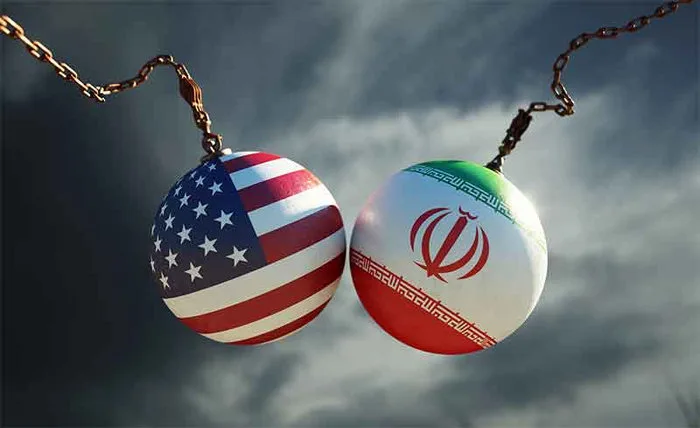
A Dawn of Harmony: Envisioning True Peace Between the United States and Iran

By Stephen Zogopoulos, USNN World News
January 17, 2026 – In the shadow of escalating protests across Iran and the specter of U.S. military intervention, it’s worth pausing to imagine a radically different future. What if the United States and Iran achieved genuine peace? Not the fragile ceasefires or backroom deals we’ve seen before, but a lasting accord under new Iranian leadership—free from the grip of political corruption and the shadow of terrorism. Picture an Iran where the people are truly free, trade flows unimpeded, and the Middle East breathes a collective sigh of relief. This isn’t just wishful thinking; it’s a plausible vision grounded in historical precedents and emerging realities. But getting there requires bold, decisive steps.
What Would This Peace Look Like?
In this “what if” world, Iran emerges from decades of isolation as a vibrant, modern nation. Under new leadership—perhaps a figure like Crown Prince Reza Pahlavi, who has publicly advocated for democratic reforms and an end to the regime’s proxy wars—the Islamic Republic’s theocratic stranglehold dissolves. Political corruption, long a hallmark of the mullahs’ rule, is eradicated through transparent governance, independent judiciary reforms, and anti-graft measures modeled after successful transitions in post-authoritarian states like post-apartheid South Africa or post-Soviet Eastern Europe.
The Iranian people, unshackled from oppression, thrive in a society that prioritizes human rights and economic opportunity. Women reclaim public spaces without fear, dissidents speak freely, and the youth—drivers of the current protests—channel their energy into innovation rather than resistance. With the threat of state-sponsored terrorism eliminated, groups like Hezbollah and the Houthis lose their primary backer, leading to a domino effect of de-escalation. Yemen’s civil war winds down, Lebanon’s fragile democracy stabilizes, and Iraq focuses on rebuilding rather than proxy battles.
Economically, free trade becomes the cornerstone of this new era. Sanctions lift as Iran verifiably dismantles its nuclear weapons ambitions and ceases ballistic missile proliferation. In return, U.S. and European investments flood in, revitalizing Iran’s oil sector, tech industry, and agriculture. Imagine joint ventures: American companies partnering with Iranian startups in renewable energy, drawing on Iran’s vast solar potential, or agricultural exchanges boosting food security in the region. Trade volumes could surge by hundreds of billions, creating jobs and reducing poverty that fuels extremism.
Regionally, peace ripples outward. Israel and Iran normalize relations, expanding the Abraham Accords into what Pahlavi has called the “Cyrus Accords”—a nod to the ancient Persian king who freed the Jews from Babylonian captivity. Arab nations, wary of Iran’s past aggression but eager for economic ties, join in. Saudi Arabia and Iran collaborate on stabilizing oil prices, while joint counter-terrorism efforts dismantle remaining Islamist networks. The Middle East, long a powder keg, transforms into a hub of connectivity: high-speed rail linking Tehran to Tel Aviv, cultural festivals celebrating shared Persian-Jewish heritage, and tourism booming as ancient sites like Persepolis draw global visitors.
Globally, this peace dividends multiply. The U.S. saves billions in military expenditures previously tied to containing Iran, redirecting funds to domestic priorities like infrastructure. Energy markets stabilize, lowering gas prices worldwide. And with Iran no longer a rogue actor, broader challenges—like climate change and pandemics—see enhanced cooperation. An Iran aligned with the West could even bridge divides with Russia and China, fostering a multipolar world where competition doesn’t devolve into conflict.
This isn’t utopia; it’s achievable realism. History shows us: Post-WWII Germany and Japan rose from ashes to become U.S. allies through regime change and reconstruction. Iran, with its educated populace and resource wealth, could follow suit.
A Real Path to Making It Reality
But dreams require action. The current crisis—marked by nationwide protests since late 2025, a brutal crackdown claiming hundreds of lives, and U.S. President Donald Trump’s deployment of a carrier strike group to the region—presents a pivotal moment. Trump has pulled back from immediate strikes, citing assurances that killings have stopped, but tensions simmer with new tariffs on nations trading with Iran and warnings of “grave consequences” if repression resumes.
The path forward starts with supporting internal change. The U.S. should amplify the protesters’ voices through diplomatic pressure and targeted sanctions on regime officials, while avoiding broad military intervention that could unify Iranians against outsiders. As reports indicate, Russian aid to the regime— including armored vehicles—highlights the need for international isolation. Rally allies like Saudi Arabia, Qatar, and Oman, who have already lobbied against escalation, to form a coalition backing a peaceful transition.
Key milestone: Regime collapse or reform leading to new leadership. Pahlavi, with widespread support among Iranians for his vision of ending nuclear militarization and proxy support, could serve as a transitional figure. The U.S. should recognize him conditionally, tying aid to democratic elections within a year.
Diplomatically, revive indirect talks mediated by Oman, as seen in 2025 negotiations. Trump’s “maximum pressure” has worked before—crippling Iran’s economy and forcing outreach—but pair it with incentives. Offer phased sanctions relief for verifiable steps: halting uranium enrichment beyond peaceful levels (as IAEA reports suggest Iran is close to weapons-grade), dismantling missile stockpiles over 2,000 km range, and cutting ties to proxies. In exchange, provide economic packages: $50 billion in reconstruction aid, normalized trade, and integration into global bodies like the WTO.
Militarily, maintain deterrence without provocation. The USS Abraham Lincoln’s presence ensures Iran doesn’t miscalculate, but emphasize cyber and precision options over invasion to minimize civilian harm.
Timeline: Short-term (months), back protesters to force concessions. Medium-term (1-2 years), install interim government and negotiate a “grand bargain.” Long-term (5+ years), full normalization with monitoring to prevent backsliding.
Critics may call this naive, but ignoring the opportunity risks endless conflict. Trump, the dealmaker, has already brokered expansions of the Abraham Accords; why not this? For the Iranian people enduring blackouts and bloodshed, and for a world weary of Middle East turmoil, this path isn’t just possible—it’s imperative.
The choice is ours: Perpetual enmity or a bold leap toward peace. Let’s choose the latter.
Disclaimer: This opinion piece is a speculative exploration of a hypothetical scenario based on current geopolitical trends. It does not advocate for any specific actions and reflects the author’s views, not those of USNN World News or any affiliated entities.


More Stories
US Deployments Fuel Speculation of Ground Combat Against Iran
By Ryan Morgan The U.S. military has deployed several thousand additional infantry troops to the Middle East in recent weeks,...
Remote-Job Postings Rise 20 Percent Sequentially in First Quarter: Report
By Mary Prenon While many American companies, both large and small, have called employees back to the office over the...
Acting Attorney General Blanche Rejects Speculation About Bondi’s Departure
By Jack Phillips Interim Attorney General Todd Blanche dismissed speculation that Pam Bondi left her position as attorney general in...
US Fighter Jet Downed Over Iran, One Crew Member Rescued, Search Ongoing
By Tom Ozimek Search-and-rescue efforts were underway in southern Iran on April 3 after an American fighter jet was shot...
Trump Signals Possible US Operation to Reopen Strait of Hormuz
By Tom Ozimek U.S. President Donald Trump said on April 3 that the United States could “easily” reopen the Strait...
Age of Attraction Season 2? Renewal, Couples, Release Date, and Trailer
After a positive review of the debut of season 1 on March 11, 2026, people are craving more for the...