
Cambridge man pleads guilty making counterfeit drugs, fraud

A 35-year-old Cambridge man pleaded guilty to charges involving counterfeit pill manufacturing and COVID load fraud in federal court Tuesday.
Schuyler Oppenheimer, who also goes by the aliases “SK” and “Michael Sylvain,” pleaded guilty to one count of possession with intent to distribute 500 grams or more of methamphetamine and two counts of wire fraud, according to a statement from the U.S. Attorney’s Office.
Law enforcement seized from Oppenheimer recipes, pill press molds, and orders for pill fillers that could have made millions of pills, the statement said.
The US Attorney said that Oppenheimer communicated with “an illegal chemical supplier based in China,” asking about the availability of controlled substances and ingredients to make fentanyl.
“Oppenheimer sought to synthesize his own fentanyl through the importation of these fentanyl precursor chemicals into the United States,” the statement said.
During a July 2024 search warrant, they also seized more than five kilos of suspected counterfeit Adderall pills and a firearm which Oppenheimer was not allowed to possess because of prior felony convictions.
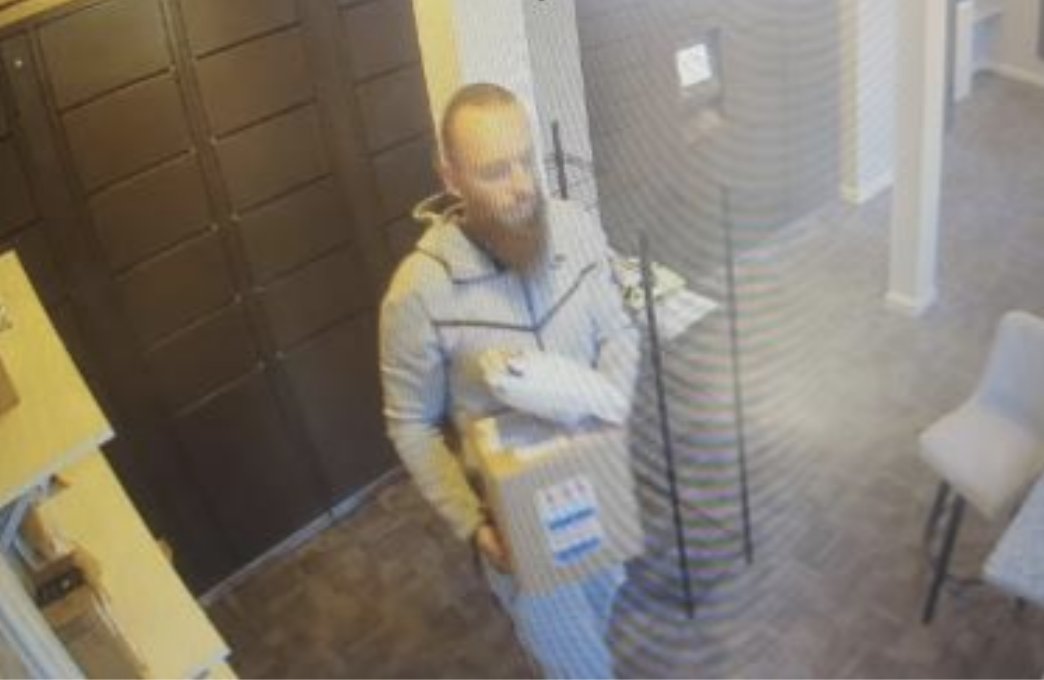
During a July 2024 search warrant, law enforcement seized more than five kilos of suspected counterfeit Adderall pills. (Courtesy of FBI Boston)
Related Articles
US overdose deaths fell through most of 2025, federal data reveals
Alleged Cape coke dealer nabbed by would-be car thief
Mexican president tells Trump that US intervention against cartels is ‘unnecessary’
‘They’re taking this more seriously’: Alleged BMC stabber back in court
Boston Police Blotter: Officers recover guns, crack, fentanyl
In addition to the drug activity, Oppenheimer admitted to fraudulently obtaining $40,000 in loans from the Paycheck Protection Program, a COVID relief program. The US attorney said that Oppenheimer falsified tax records to accomplish the fraud.
He is expected to be sentenced on April 17. The drug charge comes with a sentence of at least tens years and up to life in prison and a fine of up to $10 million, while the fraud charges carry a maximum penalty of up to 20 years behind bars and a fine of $250,000.

More Stories
Middle East war triggering global energy ‘shock’ – IMF
Disruptions to oil and gas supplies will leave lasting “scars” on the world economy, managing director Kristalina Georgieva has said...
What is fueling unrest across the EU?
The bloc is facing an energy crisis due to the Strait of Hormuz disruption, with soaring diesel prices triggering protests...
OECD urges reeves to overhaul ‘inefficient’ UK tax system
Rachel Reeves has been told by one of the world’s most influential economic bodies that Britain’s tax system is holding...
Easter lifts footfall but retailers brace for April cost squeeze
Britain’s high streets enjoyed a welcome lift last month as an early Easter drew shoppers back through the doors, but...
Google takes on Opentable with AI that books your dinner in seconds
Google has fired the opening shot in a battle for Britain’s restaurant booking market, rolling out an artificial intelligence tool...
Retail backers of SEIT face wiping out half their money as green trust raises the white flag
Thousands of small investors who piled into one of London’s best-known green investment vehicles are staring down the barrel of...