
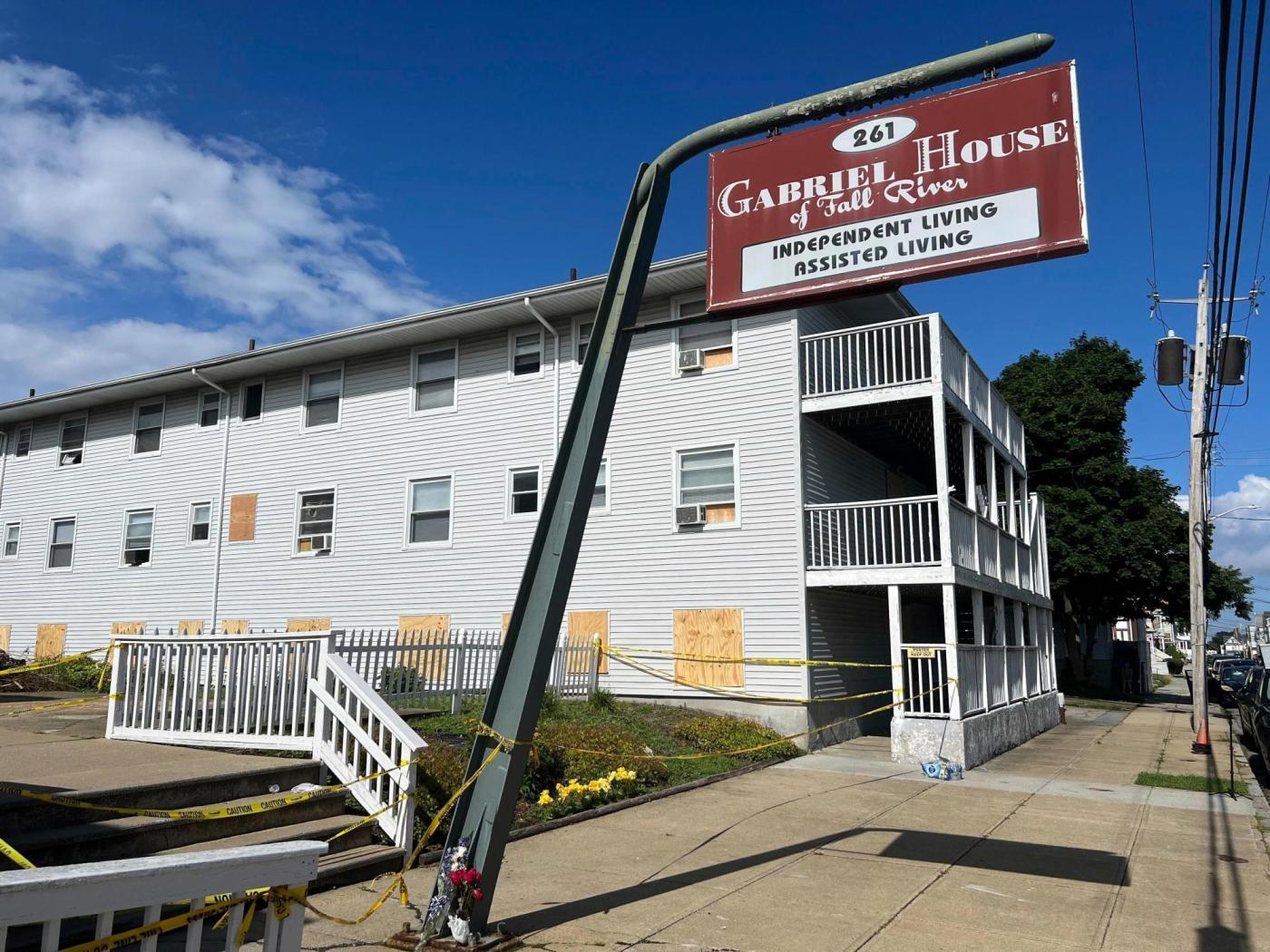
Fire that killed 10 at an assisted living facility prompts Massachusetts to enact safety reforms

Massachusetts is enacting a series of safety reforms at assisted living facilities including increased inspections and better access to records following a fire last year that killed 10 residents, the governor announced Monday.
The recommendations, detailed in a report from the Assisted Living Residents or ARL commission tasked with reviewing the sector, call for annual inspection signed off by the local fire department, board of health and building inspector. It also calls for annual update and review of emergency plans and quarterly emergency exercises with all staff and annual evacuation drills.
Other recommendations include a task force to study affordability of assisted living facilities, over concerns they are out of reach for many low-income residents. The report also calls for creating a statewide online database to provide families with better access to compliance records, ownership information, and corrective action plans. It also calls for standardizing information on services, costs, staffing, and resident rights so families can easier compare different facilities.
“Every older adult deserves a safe home and peace of mind, and every family deserves transparency and accountability,” Democratic Gov. Maura Healey said in a statement. “The heartbreaking tragedy at Gabriel House showed us that we cannot wait to strengthen protections for assisted living residents. We are taking immediate action on these recommendations so we can better protect residents, support families and ensure our assisted living system continues to serve people well into the future.”
Aging & Independence Secretary and ALR Commission Chair Robin Lipson said the the state has a responsibility to protect residents living at these facilities.
“These changes will strengthen fire safety, clarify standards and practices that impact resident well-being, and make critical information more accessible so families can make informed decisions,” Lipson said. “We have already begun putting stronger protections in place and will work to ensure that residents across the Commonwealth are safer, better supported, and treated with the dignity they deserve.”
Brian Doherty, president and CEO of the Massachusetts Assisted Living Association, said his nonprofit association welcome the report, especially the recommendations to develop a standardized resident assessment, integrate Certified Medication Aides into assisted living, and establish an affordability task force.
“Assisted living blends social activity with personal care, and we will continue to champion a model of diverse community options over restrictive, institutionalized settings to ensure residents maintain their independence and dignity,” Doherty said in a statement.
The commission was already studying the sector when a fire broke out last summer at Gabriel House in Fall River. It was the state’s deadliest in more than 40 years and raised questions about a lack of regulations around the sector in Massachusetts.
Investigators said that the Gabriel House fire began unintentionally by either someone smoking or an electrical issue with an oxygen machine. The blaze left some residents of the three-story building hanging out of windows and screaming for help.
Documents from the state Executive Office of Aging & Independence showed Gabriel House had lost its certification nearly a decade ago due to resident mistreatment. The facility in Fall River was barred from accepting new residents until it took corrective action.
The documents add to a list of issues raised with the Gabriel House facility over the years. A resident filed a lawsuit alleging the facility was not properly managed, staffed or maintained and that “emergency response procedures were not put in place.” The son of another resident said an elevator had been out for as long as nine months at one point.
State records include about two dozen complaints about the facility during the last decade, including several related to “abuse, neglect or financial exploitation” but details are redacted. Other complaints involved a resident getting stuck for hours in an elevator that was then out of service for months, and staff members who threatened residents and withheld medication.

More Stories
Massachusetts woman denied a license to carry firearms wins her appeal
A local woman who was denied a license to carry firearms because of her husband’s “violent and aggressive behavior” has...
Lawmakers renew push for Norwood hospital
As negotiations continue over the sale of Norwood Hospital, two lawmakers are reviving their push to reopen the hospital. On...
Man accused of recklessly driving U-Haul into Iran protest in Los Angeles, police say
By CHRISTOPHER WEBER LOS ANGELES (AP) — A man accused of steering a U-Haul truck toward a Los Angeles demonstration...
Man accused of recklessly driving U-Haul into Iran protest in Los Angeles, police say
By CHRISTOPHER WEBER LOS ANGELES (AP) — A man accused of steering a U-Haul truck toward a Los Angeles demonstration...
Keith Ellison, mayors Kaohly Her, Jacob Frey file legal action against ICE
Citing warrantless arrests, detentions of U.S. citizens based on race and accent, and the “unlawful deployment of thousands of armed,...
4-year prison term for Minneapolis man who shot at vehicles during separate St. Paul road rage incidents
A Minneapolis man has been sentenced to four years in prison for shooting a gun at other motorists in two...