
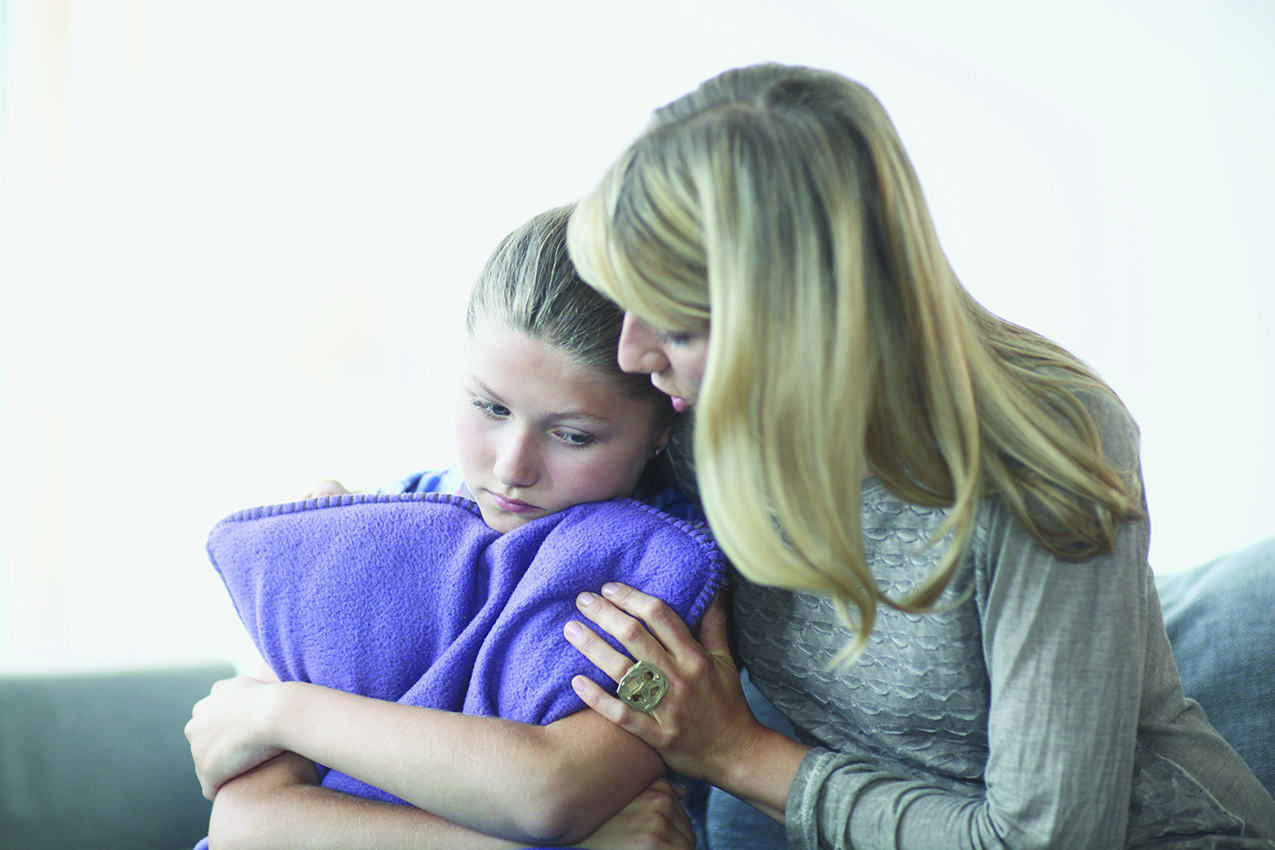
Signs child may be struggling with mental health

Adolescence can simultaneously be an exciting and challenging time for children. The physical changes and challenges of adolescence are widely recognized, but mental health also can be challenged during this pivotal period in a young person’s life.
The World Health Organization reports that one in seven adolescents across the globe experiences a mental disorder, which is why it’s so important that parents do not quickly dismiss signs of struggle as a normal part of adolescent life.
Recognition of signs suggesting adolescents are struggling with mental health issues can increase the chances kids get the help they need.
Behavioral disorders: The WHO reports that behavioral disorders, which include attention deficit hyperactivity disorder (ADHD) and conduct disorder, are more common among younger adolescents. Kids who have difficulty paying attention, are excessively active and act without regard to consequences might be dealing with a behavioral disorder.
Conduct disorder may compel children to exhibit destructive or challenging behaviors that compromise a child’s ability to fulfill their academic potential. Conduct disorder also can increase a child’s risk of engaging in criminal behavior.
Eating disorders: The WHO notes girls are more commonly affected by eating disorders than boys. These conditions, which include anorexia nervosa and bulimia nervosa, tend to emerge during adolescence and are marked by abnormal eating patterns. Adolescents may exhibit an abnormal preoccupation with food and be particularly concerned about their body weight and the shape of their bodies. The WHO reports eating disorders often co-exist alongside other mental health disorders.
Risk-taking behaviors: Some adolescents struggling with mental health turn to risk-taking behaviors in an effort to cope with their emotional challenges. The WHO reports that young people are especially vulnerable to substance abuse when confronting mental health challenges during adolescence. Some adolescents also look to risky sexual behavior as a means to coping with mental health issues during adolescence.


More Stories
New AI too dangerous for public release – Anthropic
The startup reportedly formed Project Glasswing with Big Tech partners and is discussing the model’s capabilities with the US government...
UK petrol prices approach 155p a litre as Iran conflict drives fuel costs to highest level in over two years
Petrol prices across the United Kingdom have climbed to an average of 154.65p per litre, marking the highest level since...
New North Sea oil fields would “send a shock wave around the world”, climate experts warn
Britain’s standing as a global climate leader faces a critical test as senior figures in international diplomacy have warned that...
SpaceX woos the small investor as Musk eyes the biggest flotation in stock market history
Elon Musk has never been one for convention, and his plans for the SpaceX initial public offering are no exception....
How Aleksandr Loginov Is Redefining Design in the Age of AI
A former Chief Design Officer at Prequel, who led its photo and video apps to repeated No. 1 rankings in...
One Year Online Master’s in Education Programs: 4 Top Options to Consider
Teaching is full-time work, and carving out time for a graduate degree on top of lesson planning and grading takes...