
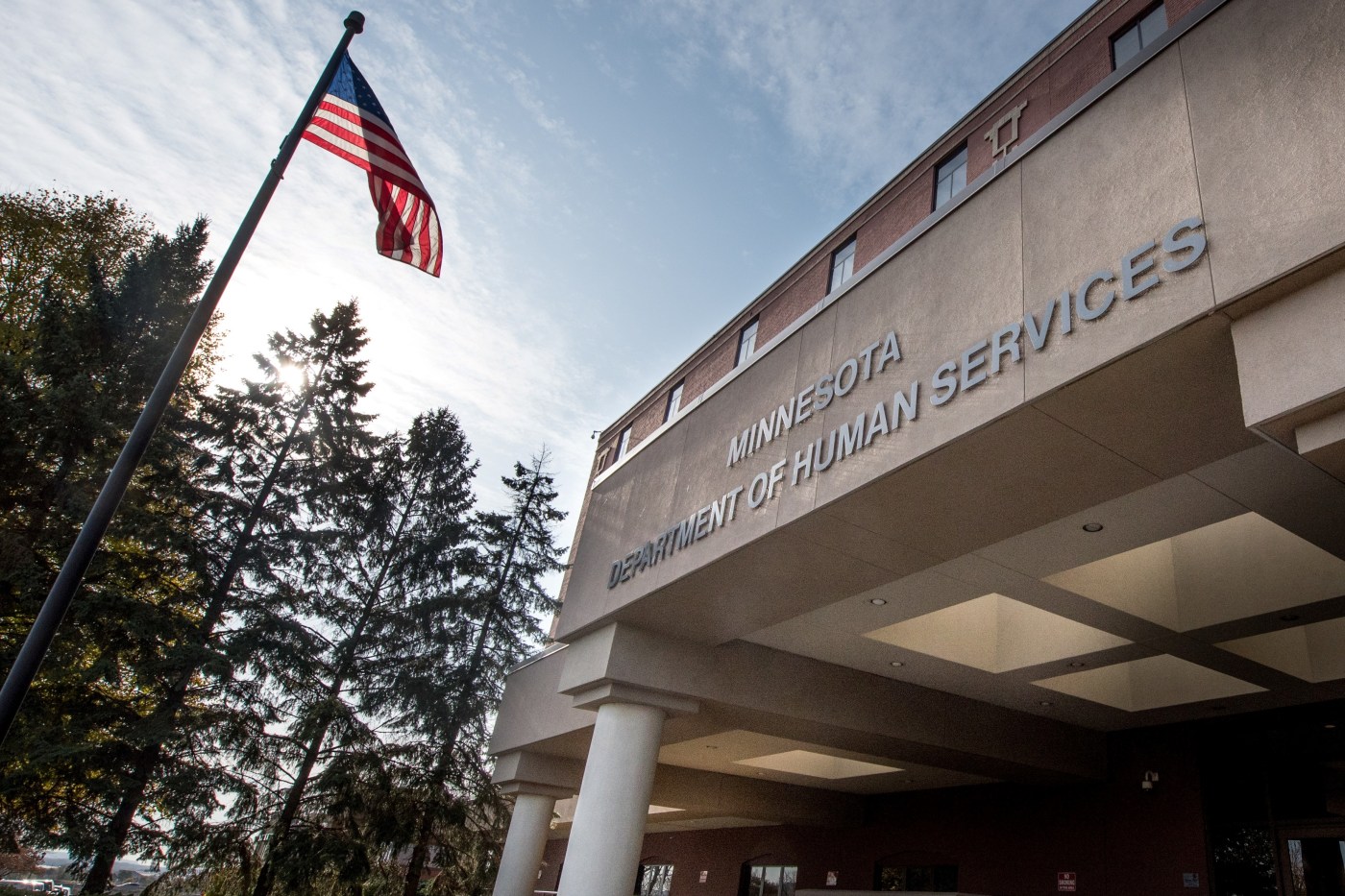
Minnesota freezes provider enrollment for 13 Medicaid programs over fraud risk

Minnesota’s Department of Human Services is pausing new provider enrollments in 13 Medicaid-funded services administered by the state as the agency works with the federal government to address fraud concerns in high-risk programs.
The agency announced the new step on Thursday. It comes at the order of the federal Centers for Medicare and Medicaid Services, which threatened last month to cut off Medicaid funding to the state unless it did more to address widespread fraud. Provider enrollment is the process to establish reimbursement from the government for services.
“This action is one more step we are taking to disrupt fraudulent billing,” temporary Human Services Commissioner Shireen Gandhi said in a news release. “We must safeguard Medicaid resources, always mindful that access to these programs is a lifeline for so many Minnesotans.”
State officials haven’t set a start date for the freeze, but it is supposed to last for up to six months, according to department officials. Existing providers can continue to operate and the freeze does not stop new clients from enrolling in services.
Adult day care licenses
In December, CMS Director Mehmet Oz demanded that the Human Services Department place a six-month freeze on enrollments in high-risk providers and confirm existing providers’ legitimacy.
Soon after, Human Services said it would stop accepting license applications for adult day care providers from Feb. 1 to Jan. 31, 2028. The move came amid allegations of fraudulent activity and allegations of kickback schemes in the program. Licensing is the process of getting authorization to operate.
Adult day services is one of 14 programs undergoing a third-party audit after being deemed high risk by state officials in the fall of 2025.
State Human Services officials stopped issuing licenses for new home and community-based services providers on Jan. 1, a pause that also will likely extend for two years.
Programs deemed high-risk
The expanded freeze announced Thursday will apply to the rest of the operating Medicaid-funded state programs deemed high-risk.
They include: Early Intensive Developmental and Behavioral Intervention Services for Autism; Integrated Community Supports; Nonemergency Medical Transportation; Peer Recovery Services; Adult Rehabilitative Mental Health Services; Adult Day Services; Personal Care Assistance/Community First Services and Supports; Recuperative Care; Individualized Home Supports; Adult Companion Services; Night Supervision; Assertive Community Treatment; Intensive Residential Treatment Services; and Housing Stabilization Services.
One of the 14 high-risk programs, Housing Stabilization Services, is no longer operating. Human Services ended the program in October after learning of a federal investigation into allegations of significant fraud.
Third-party audit underway
A third-party audit of those high-risk programs is already underway. Human Services flagged 14 programs as high-risk based on evidence of fraudulent activity, suspicious patterns and general vulnerabilities. They are also subject to stricter oversight, such as “enhanced fingerprint background studies,” initial screening visits and unannounced visits.
Results of the third-party audit are expected later this month, according to department leaders.
The U.S. Attorney’s Office has said there is significant fraud in federally funded programs in Minnesota, though the exact amount remains up for debate.
Related Articles
Arne Carlson, et al: Let’s take the road to excellence, Minnesota
MN audit finds weak oversight, fraud risk in Human Service grants
MN Republican lawmakers testify on fraud before U.S. House panel
What will keep the Minnesota’s paid leave program free of fraud?
With Tim Walz bowing out of the 2026 governor’s race, what comes next?
Assistant Minnesota U.S. Attorney Joe Thompson in December said fraud in the 14 high-risk Medicaid programs could top $9 billion since 2018, though Gov. Tim Walz has pushed back against that figure, calling it “defamation” of the state as it has not been backed by hard evidence.
A report released by the nonpartisan Minnesota Office of the Legislative Auditor this week found weak oversight and fraud risk in the Department of Human Services’ Behavioral Health Administration, which administers grants in programs for mental health and addiction treatment.

More Stories
No hay nieve, no hay problema. Pista de plástico formó al mejor esquiador británico
PENDLE, Inglaterra (AP) — Ubicada en el ondulante campo del Valle de Ribble, en el noroeste de Inglaterra, se encuentra...
Jaylen Brown pushing for player equity in NBA, proposes player-owned expansion team
The Celtics’ new ownership group, led by Bill Chisholm, purchased the franchise for $6.1 billion last year, an NBA record...
Patriots get some good news at final practice before playoff game
FOXBORO — The Patriots saw three players return to practice Friday ahead of Sunday night’s wild-card round playoff game against...
Federal officers are leaving Louisiana immigration crackdown for Minneapolis, documents show
By JACK BROOK, Associated Press/Report for America NEW ORLEANS (AP) — Federal immigration officers are pulling out of a Louisiana...
Federal officers are leaving Louisiana immigration crackdown for Minneapolis, documents show
By JACK BROOK, Associated Press/Report for America NEW ORLEANS (AP) — Federal immigration officers are pulling out of a Louisiana...
Trump meets with oil executives at the White House on Friday, seeking investments in Venezuela
By JOSH BOAK WASHINGTON (AP) — President Donald Trump is meeting with oil executives at the White House on Friday...