
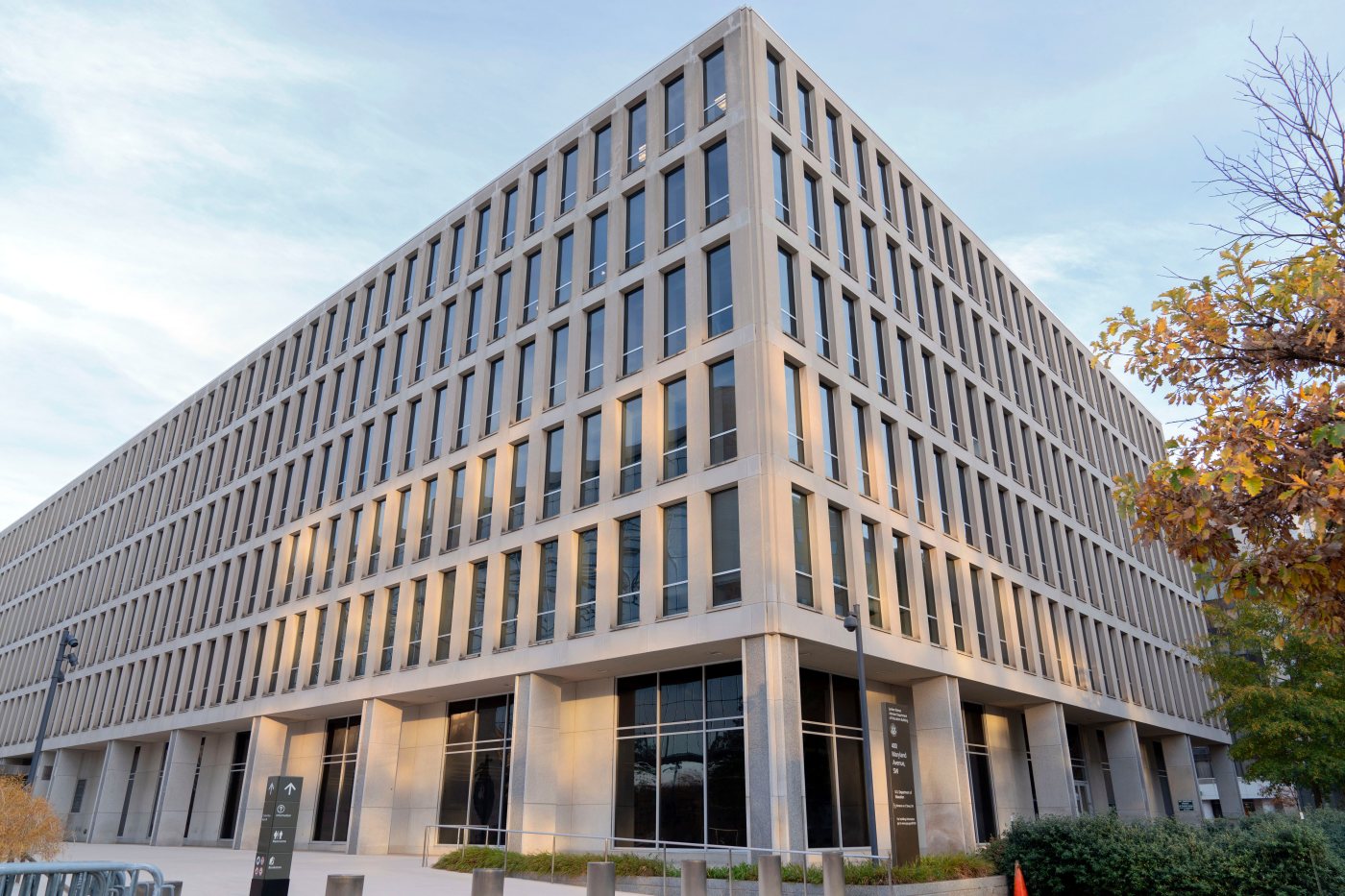
Editorial: Student loan changes put college costs in crosshairs

Changes are coming to student loan borrowing and repayments this summer. For those who wanted Joe Biden’s debt forgiveness gravy train to keep on rolling, it will be a sharp shock. For others who worked hard to repay what they borrowed, it’s a return to consequences.
As The Hill reported, one of the biggest changes will be a new income-driven repayment plan that eventually will be the only such option for borrowers.
Currently, borrowers have their choice of income-driven repayment (IDR) programs between income-based repayment, income-contingent repayment and pay-as-you-earn, which give varying loan agreements based on multiple factors.
The new plan adjusts a person’s payments based on their income, with repayments ranging from 10 to 25 years.
In itself, it doesn’t seem like a revolutionary step, but for students looking at colleges, their costs, and loan repayments, it has huge potential. Knowing that they’ll face a large loan after graduating, who wouldn’t want to make sure they get the biggest bang for their buck?
Acknowledging that the debt-forgiveness fairy isn’t flittering in the wings on graduation day calls for careful assessment of college plans, dreams, and reality. If a student picks a major with a saturated field, or one in which jobs are few and far between, that’s a red flag. Nothing’s as sobering to an impractical but fun idea as having to foot the bill.
The number of student loan borrowers in default is predicted to go up, and the Education Department has signaled it will be more aggressive in its collection efforts. “Debt collection” was a four-letter word in the Biden administration, which painted student borrowers as victims, not young adults with agency. Anything for the youth vote.
Almost 7 million borrowers are in default, meaning they have not paid on their student loans in more than nine months.
“We’re looking at, pretty soon, being at a place where there are 10 million Americans with federal student loans in default, and while some of the harshest consequences of default had long been turned off, the new administration has been announcing the benefits turning back on and beginning some of the harsh collection methods that can be more financially destabilizing for struggling families,” said Abby Shafroth, managing director of advocacy at the National Consumer Law Center.
Yes, consequences for failing to repay debt can be tough. The Education Department has said it will begin sending out notices that wages will be garnished for at least 1,000 defaulted borrowers starting this month, with more to be added later in the year.
But why should those borrowing for college be any different from people who stop paying their mortgage or financing their car? The feds won’t foreclose on a college degree or repossess it, but they do want their money back all the same.
Colleges have lived large on student loans, paying the salaries of bloated administrative staff and big-bucks deans and coaches. The changes in loan borrowing and repayment could, and should, force a reckoning.
Students should use this new loan landscape to take stock: will the degree they pursue land a job where they can pay back their loan? Is shelling out a small fortune for a fun “college experience” worth it?
The loan rule changes may strike some as harsh, but have the potential to put students back in the driver’s seat of their futures.
Editorial cartoon by Gary Varvel (Creators Syndicate)

More Stories
Schoen: Dems’ national divide playing out in California
The growing divide within the Democratic Party is now coming to a head in California. Ostensibly, the conflict stems from...
Lucas: Walz dancing toward political disaster
There are three ways to get to Washington. One way is to get elected. The second is to be invited....
Editorial: Ford shows why government shouldn’t steer the economy
Federal mandates drove automakers into a financial ditch. Ford Motor Co. has announced a dramatic shift away from producing electric...
Make this the year you savor the arts
Art. Big, daunting word. Also the simple and hearty balm that soothes our savage hearts and feeds our souls. But...
Letters to the editor
Passing budget As Congress faces a Jan. 30 deadline to pass the FY2026 budget, one imperative must guide its work:...
Trail Blazers vencen a Rockets 111-105 y extienden racha de triunfos a 5
PORTLAND, Oregon, EE.UU. (AP) — Toumani Camara anotó 25 puntos y los Trail Blazers de Portland ampliaron a cinco su...