
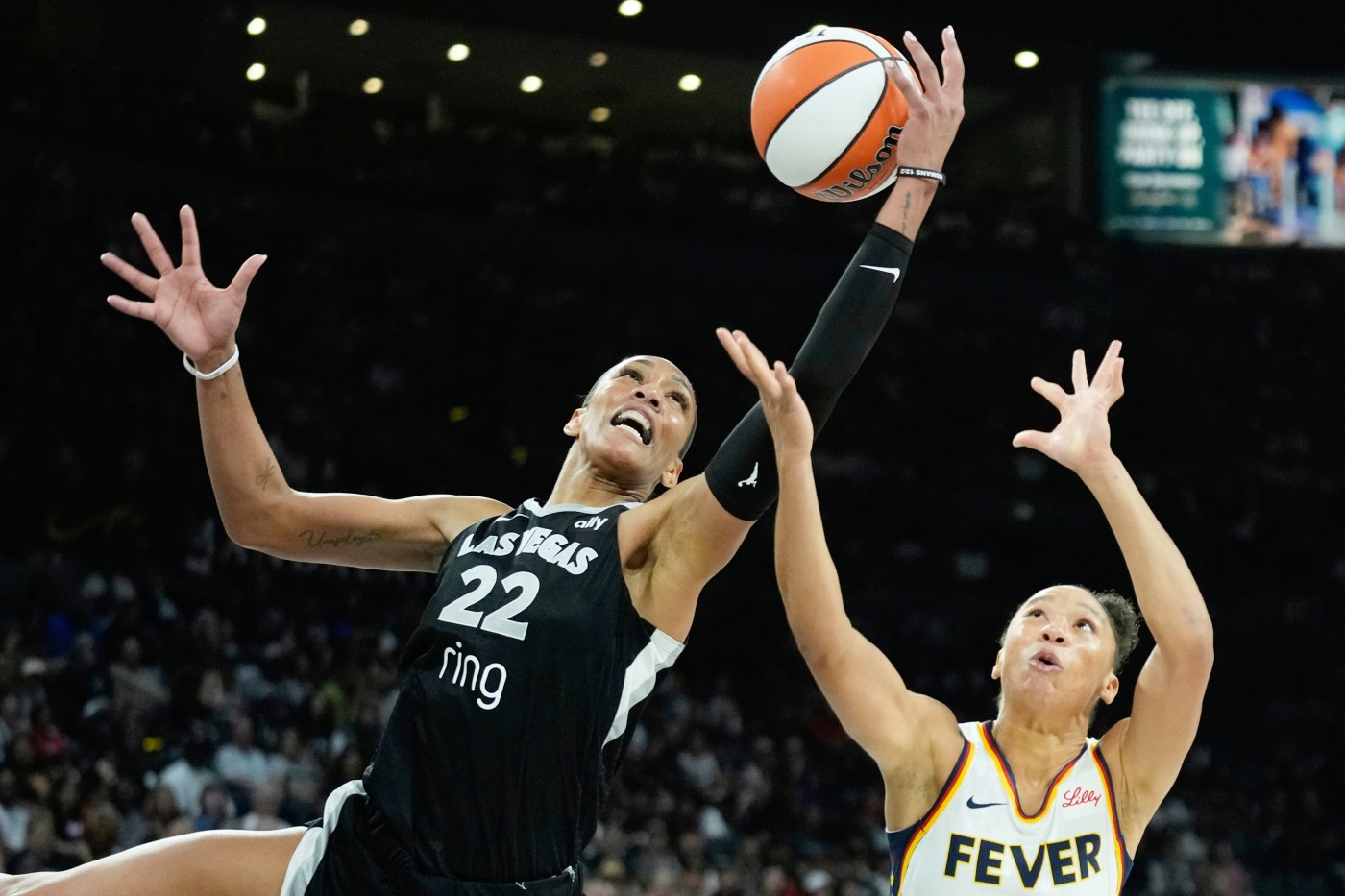
Alam: WNBA’s roadmap to independence, equal pay

As the WNBA’s collective bargaining agreement negotiations drag on, the players’ union finds itself at a crossroads. The league’s proposal, which includes raising minimum salaries to more than $220,000 and allowing top earners to reach up to $1.1 million through base pay and revenue sharing, has been met with skepticism from the WNBPA, who argue it falls short of addressing core demands for fair compensation and long-term security.
Let’s cut through the noise. This isn’t just about incremental gains; it’s time for the WNBA to demand nothing less than full salary parity with the NBA. Anything short of matching the men’s league dollar-for-dollar risks perpetuating a system that undervalues women’s contributions to basketball. Players should hold firm for true equity.
In the NBA’s 2025-2026 season, the highest-paid player, Stephen Curry of the Golden State Warriors, commands a staggering $59,606,817. This figure reflects the value top talent brings to the sport through skill, marketability and global appeal.
WNBA stars like A’ja Wilson, Breanna Stewart and Caitlin Clark possess comparable star power in their own right, driving unprecedented viewership and merchandise sales. Settling for anything less than this $59.6 million ceiling would send a message that women’s excellence is somehow secondary. The WNBPA should insist on a supermax structure that mirrors the NBA’s, ensuring their elite athletes can earn at least this amount. Equity means equal recognition for equal effect.
Parity is about lifting the entire league, not just superstars. The average NBA player salary for 2025-2026 is $12,661,208, a benchmark accounting for the broad contributions of role players, veterans and emerging talents. Similarly, the median salary, which better represents the “typical” player by mitigating the skew from outliers, is around $6,685,441. These numbers aren’t luxuries; they’re a result of decades of negotiation and revenue growth in the men’s game.
WNBA players, who endure the same grueling schedules, physical demands and off-court commitments, deserve no less. By demanding that the league’s average and median salaries align with these figures, the union would ensure a more equitable distribution of wealth, fostering roster depth and long-term player retention.
Even at the entry level, the disparity is glaring. The NBA’s minimum salary for a rookie in 2025-2026 is $1,157,153, setting a floor that respects the baseline value of professional talent. The WNBA’s proposed jump to $220,000 is a step forward from the current $66,000, but it’s still a fraction of what NBA newcomers earn.
Insisting on no less than this $1.16 million minimum would affirm that every player, from draft picks to veterans, is valued equally across genders. This would be a fundamental acknowledgment that women’s basketball operates at the same elite level.
Of course, critics will point out the elephant in the room: the WNBA hasn’t turned a profit in its nearly three decades of existence, reportedly losing $40 million in recent seasons and relying on NBA subsidies to stay afloat. Only a handful of teams have ever broken even, and the league’s revenue, while growing to $200 million in 2024, pales in comparison to the NBA’s billions.
Here’s the key: this fight is about equity, not short-term profits. Women’s sports have long been underinvested in, from marketing to broadcast deals, creating a self-fulfilling prophecy of lower revenues. Demanding NBA-level pay forces a reckoning, pushing owners and stakeholders to invest more aggressively in growth. Profits will follow when the commitment to equality is genuine.
To that end, one bold recommendation: The WNBA should seriously consider breaking away from the NBA’s umbrella. While the partnership has provided stability, it may also cap the league’s independence and bargaining power. By going solo, the WNBA could negotiate its own media rights, sponsorships and expansions, proving it can thrive without paternalistic support. This move would signal self-reliance and attract investors drawn to the league’s surging popularity.
If the league refuses to meet these demands, players should not hesitate to lock out. A work stoppage would highlight the WNBA’s indispensable role in American sports culture, showing fans, broadcasters and sponsors just how much the league is missed. Viewership records from stars like Clark and Reese prove the demand is there. A lockout could galvanize public support and force concessions.
The time for half-measures is over. WNBA players have built this league through sheer talent and resilience. Demanding full salary equity with the NBA isn’t radical; it’s rightful. Settle for nothing less, and watch women’s basketball soar to new heights.
Nafees Alam is a professor in social work at Boise (Idaho) State University/InsideSources


More Stories
Trail Blazers vencen a Rockets 111-105 y extienden racha de triunfos a 5
PORTLAND, Oregon, EE.UU. (AP) — Toumani Camara anotó 25 puntos y los Trail Blazers de Portland ampliaron a cinco su...
Giannis frena a LeBron 2 veces en el minuto final y Bucks vencen a Lakers 105-101
LOS ÁNGELES (AP) — Giannis Antetokounmpo bloqueó un tiro de LeBron James y le robó el balón en posesiones consecutivas...
Rescatistas filipinos detectan “señales de vida” tras avalancha con desaparecidos en vertedero
Por JIM GOMEZ MANILA, Filipinas (AP) — Los rescatistas detectaron señales de vida en una avalancha de basura que mató...
Protestas contra ICE en EEUU tras tiroteos en Minneapolis y Portland, Oregón
Associated Press MINNEAPOLIS, Minnesota, EE.UU. (AP) — Ciudades y pueblos de todo Estados Unidos convocaron protestas en contra de la...
Stephen Curry suma 27 puntos y 10 asistencias; Warriors arrollan 137-103 a Kings
SAN FRANCISCO (AP) — Stephen Curry anotó 27 puntos y logró su mejor estadística de la campaña al atrapar 10...
Corea del Norte promete responder tras acusar al Sur de enviar drones a través de la frontera
Por HYUNG-JIN KIM SEÚL, Corea del Sur (AP) — El ejército de Corea del Norte acusó a Corea del Sur...