
Everything Drivers Should Know About Towing and Suspension

Towing and suspension play a crucial role in vehicle safety and performance. Image by ArtisticOperations on Pixabay
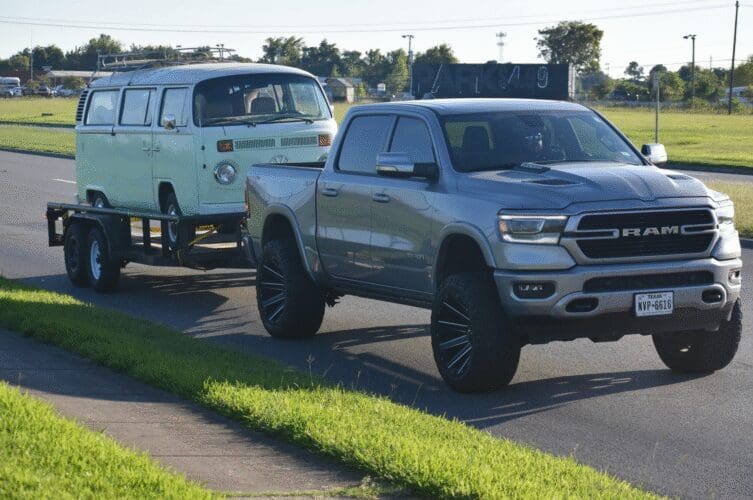
Towing changes how your vehicle behaves on the road, while strong suspension enhances control. Extra weight affects steering, braking, and overall control, which is why understanding the basics of towing and suspension is important for everyday drivers—not just mechanics or off-road enthusiasts. A little knowledge can go a long way toward safer, smoother trips.
Suspension parts play a major role in how well your vehicle handles added loads, especially when towing regularly. Components like upper control arms from JBA are designed to help maintain proper alignment and stability, which becomes more important once extra weight is added behind the vehicle. When suspension parts work as they should, towing feels more predictable and less stressful.
How Towing Affects Your Vehicle’s Suspension
When you tow, towing and suspension systems work harder than usual. The added load pushes the rear of the vehicle down and shifts weight away from the front, which can change how the vehicle responds.
This extra strain can speed up wear on suspension parts if they are not designed or maintained for towing. Drivers may notice increased bouncing, reduced steering precision, or longer stopping distances when suspension components are under stress.
Key Suspension Parts That Matter When Towing
Several suspension components work together to keep your vehicle stable and controlled. Understanding their roles helps drivers know what to inspect or upgrade.
● Shocks and struts control how your vehicle reacts to bumps and uneven roads. When towing, they help prevent excessive bouncing that can make handling feel loose or unstable.
● Worn shocks may struggle to control the added weight, causing the vehicle to feel floaty or uncomfortable, especially on highways or rough surfaces.
● Springs support the vehicle’s weight and help maintain ride height under load. If they sag too much, steering and braking can be affected.
● Control arms help keep the wheels properly aligned. When towing, strong and well-designed control arms help maintain consistent handling and tire contact with the road.
Choosing the Right Setup for What You Tow
Not all towing situations are the same, and suspension needs vary depending on load size and frequency. It’s important for drivers to consider matching their setup to real-world use to optimise towing and suspension.
For example, towing something light occasionally may not require major upgrades, while regularly hauling an equipment trailer places steady demand on suspension components. Choosing parts that match how often and how much you tow helps reduce wear and improves long-term comfort.
Signs Your Suspension May Need Attention
Suspension problems often show warning signs before becoming serious. Paying attention to these clues can help prevent unsafe towing situations.
● Sagging rear end
A noticeable drop in the back of the vehicle suggests the suspension is struggling with the load. This can affect headlight aim, steering balance, and braking performance.
● Excessive bouncing
If the vehicle continues to bounce after hitting bumps, shocks may not be controlling movement properly. This makes towing less comfortable and harder to manage.
● Uneven tire wear
Misalignment caused by worn suspension parts can lead to uneven tire wear. This reduces tire life and can affect traction when towing.
Tips for Safer, More Comfortable Towing
Safe towing is about preparation and awareness. These simple tips help drivers protect their vehicle and improve control.
● Don’t exceed towing capacity
Staying within manufacturer limits reduces strain on suspension and drivetrain components. Overloading increases the risk of damage and unsafe handling.
● Distribute weight evenly
Proper weight distribution helps the suspension work evenly on all four corners. This improves stability and reduces sway.
● Inspect suspension regularly
Regular checks help catch worn parts early. Addressing small issues before towing can prevent bigger problems on the road. Regular inspections are crucial for maintaining towing and suspension systems in top condition.
Confidence Comes From Preparation
Towing does not have to feel intimidating. By understanding how suspension affects handling and knowing what signs to watch for, drivers can tow with more confidence and comfort. The right setup and regular attention make every towing trip safer and more enjoyable.
The post Everything Drivers Should Know About Towing and Suspension appeared first on My Car Heaven.


More Stories
Romania Full Year 2025: Dacia Logan and Duster each win 6 months
This content is for members only. Visit the site and log in/register to read.
Brazil Full Year 2025: Fiat Strada lodges 5th straight win, VW Tera instant blockbuster
This content is for members only. Visit the site and log in/register to read.
Why Traditional Side Mirrors Are Becoming Obsolete — And How Digital Mirror Technology Is Changing the Way We Drive
By Igor Panchenko Side mirrors have been one of the most iconic features of the century. And that principle hasn’t...
2027 Kia Telluride Priced Breaking the $40K Barrier With an All-New Generation
Kia’s Telluride has been one of the easiest three-row SUVs to recommend since it launched, and now it is stepping...
2028 Infiniti Q50 Could Bring Back the Manual Sport Sedan Fun
Infiniti has been in a strange spot lately. After peaking around 2017, the brand’s sales momentum faded and the showroom...
France Full Year 2025: Weakest market in 50 years, Renault Clio #1, Renault 5 #2 in December
This content is for members only. Visit the site and log in/register to read.