
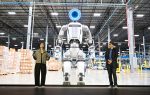
Hyundai Wants Humanoid Robots Building Your Next Car

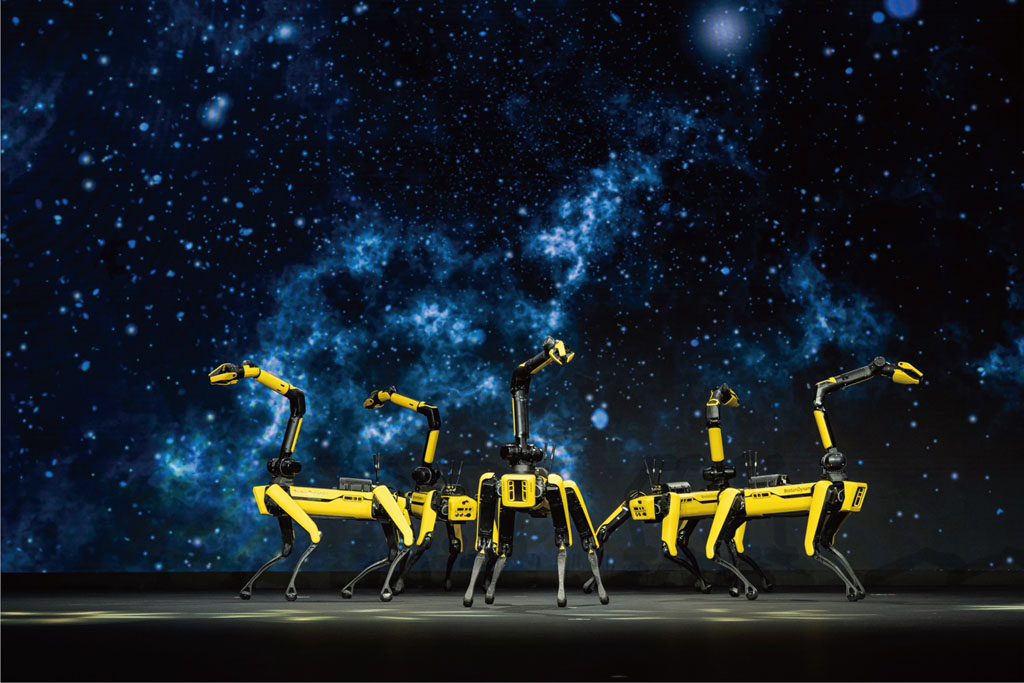
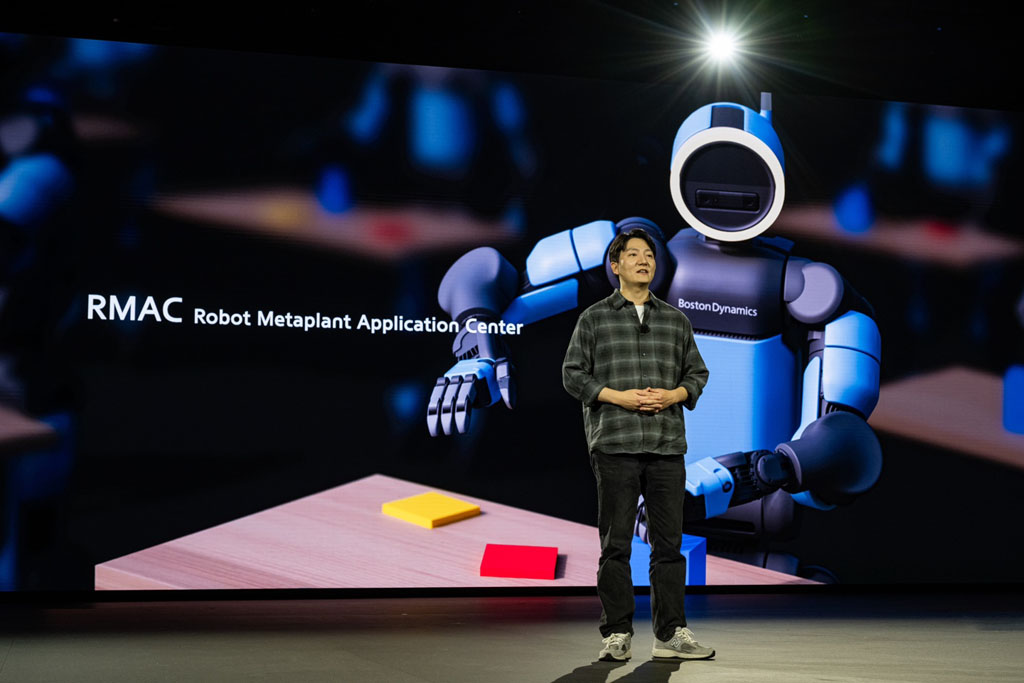
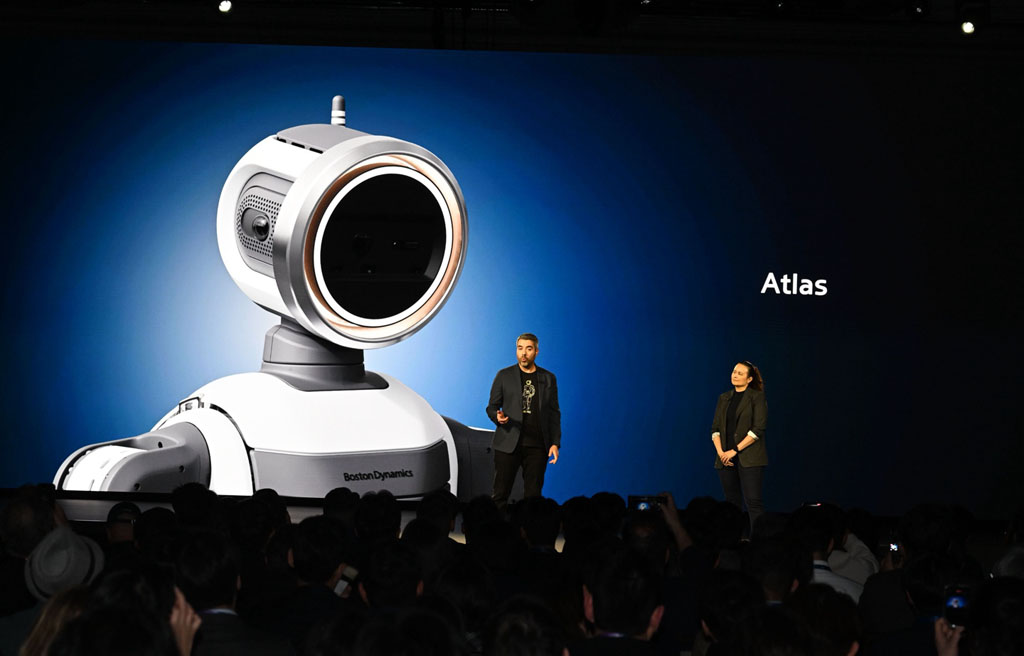
Hyundai has been inching toward a future where robots do far more than shuttle parts around a factory floor, and its latest CES 2026 showing made that crystal clear. After buying Boston Dynamics in 2021, the obvious play seemed like using Spot robot dogs for inspections and safety walk-throughs. Instead, Hyundai is aiming higher with Atlas, a humanoid robot it wants working alongside people on the assembly line, eventually taking over the kinds of jobs that grind you down: repetitive motions, awkward lifts, and tasks that get sketchy in a hurry.
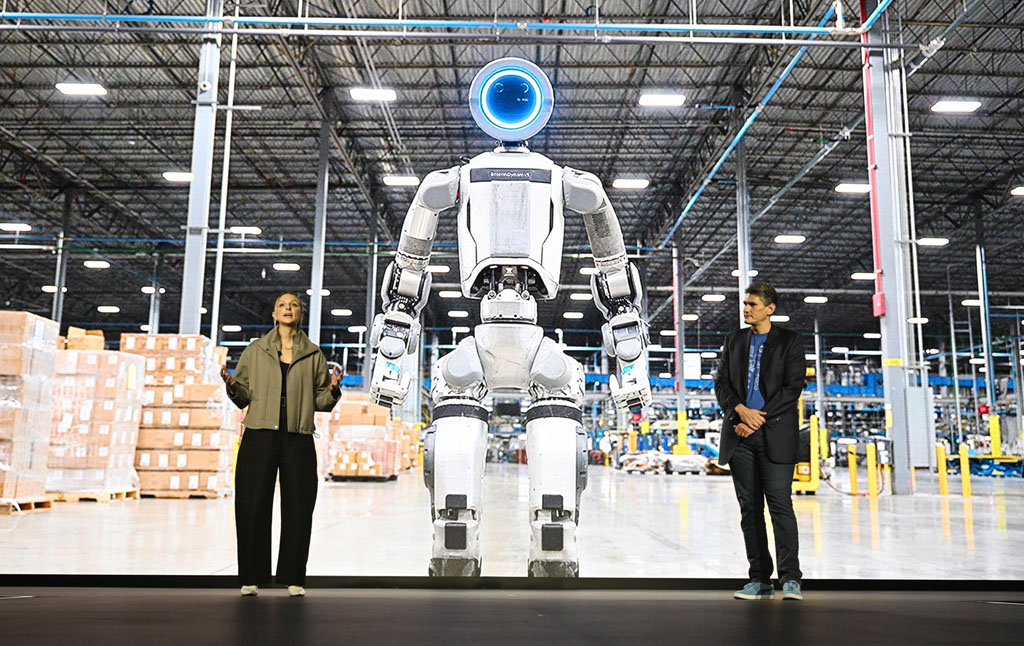
The big headline is scale. Hyundai says it wants a production system capable of building 30,000 robots a year starting in 2028, and it plans to put Atlas to work that same year at Hyundai Motor Group Metaplant America in Georgia. That matters because this is not some far-off “someday” concept tied to a single pilot line. Hyundai is talking about a repeatable factory model and a real deployment timeline, starting with smaller jobs before moving into more meaningful assembly work by 2030.
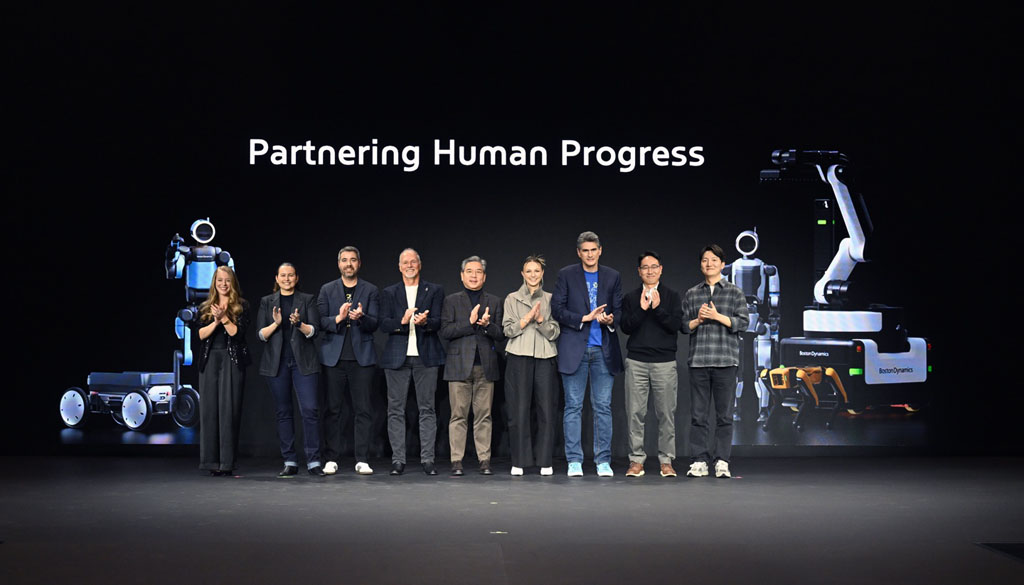
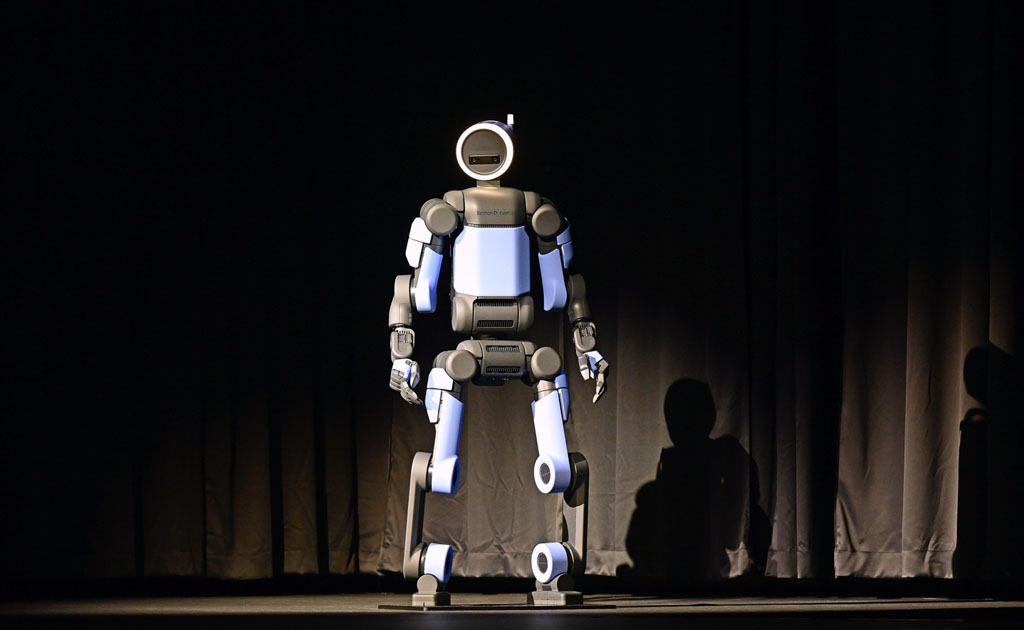
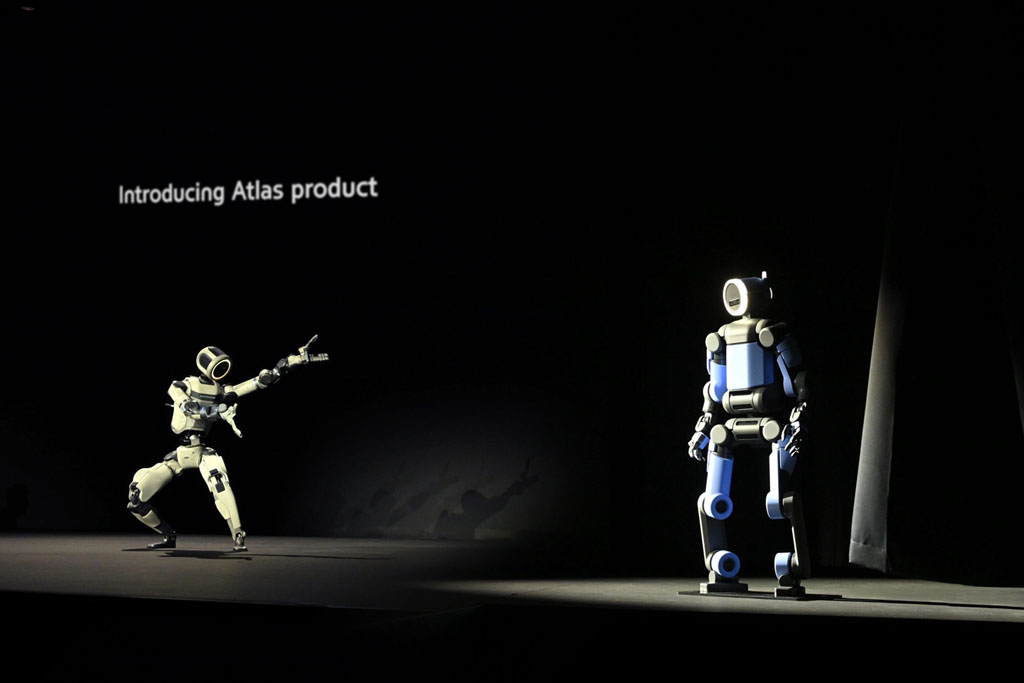
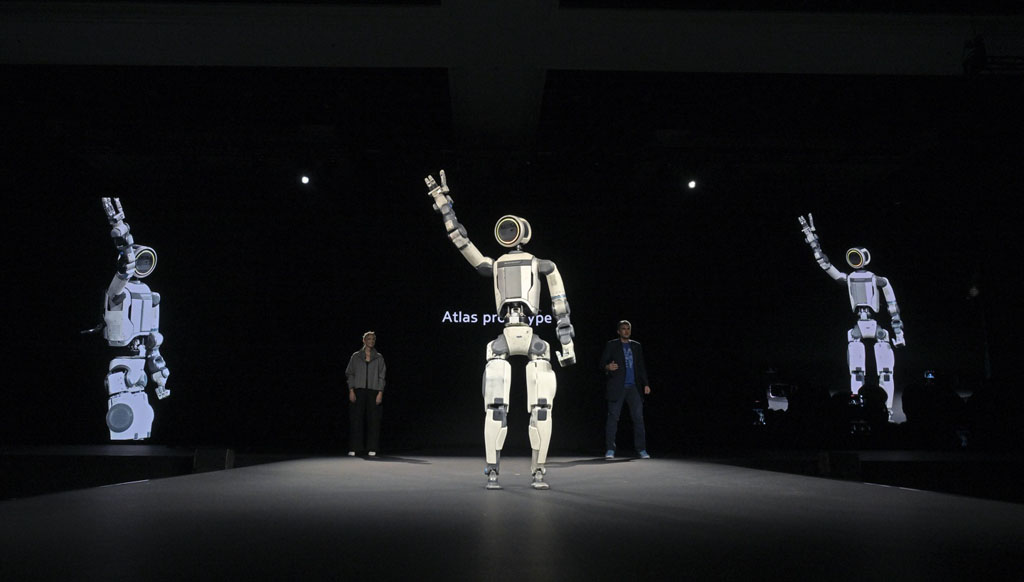
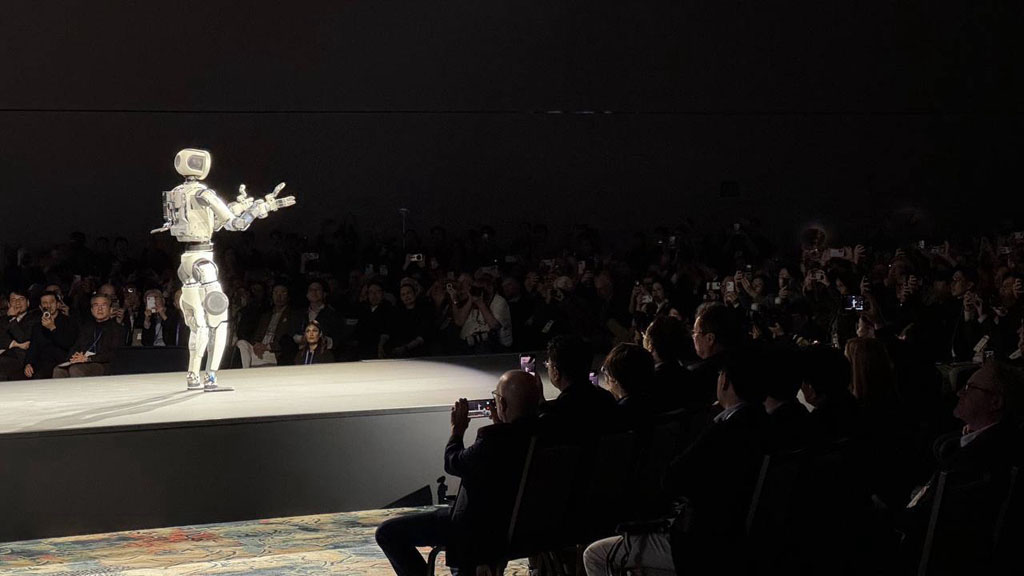
If you watched the stage show, you probably noticed the split between spectacle and reality. Atlas was out there moving with a kind of uncanny athleticism, posing and flexing in ways that no human body can. Hyundai and Boston Dynamics also acknowledged that the show robot was teleoperated backstage, which is basically the robotics version of saying, “This is a demo, not the finished product.” The more interesting detail was the production-intent Atlas shown in blue, which is the kind of machine Hyundai hopes can clock in for factory duty in the near term.
Of course, the moment you say “humanoid robots in car factories,” everyone asks the same question: what happens to jobs? Hyundai’s leadership isn’t pretending that nothing changes. The company’s vice chairman, Jaehoon Chang, framed the plan as “human-centered” robotics, arguing that new roles will be needed to guide, supervise, and maintain these machines, plus build out a broader robotics ecosystem. That sounds reassuring, but it also hints at the real shift: fewer people doing rote line work, more people doing oversight, upkeep, and higher-skill tasks if Hyundai can actually pull this off at scale.
Then there’s the money side, and here’s where Hyundai is trying to keep expectations grounded. If you were hoping robots would instantly unlock bargain-priced new cars, Hyundai’s manufacturing leadership says not to count on it. The company estimates labor is roughly 5% to 10% of vehicle manufacturing costs, so even meaningful automation does not automatically translate into dramatic sticker-price drops. Hyundai’s pitch is more about consistent build quality and safer working conditions, with the cost savings showing up quietly in efficiency instead of headline-grabbing price cuts.
What makes this more than a one-off automaker flex is what Hyundai and Boston Dynamics want to do beyond the factory gates. Boston Dynamics CEO Robert Playter has talked about offering Atlas through a robotics-as-a-service subscription model, and the company is still selling Spot robot dogs with a revenue goal around $100 million this year. Hyundai also has partnerships in the mix to accelerate the “physical AI” side of robotics, including work tied to Google DeepMind and Nvidia. Put it all together and you can see the bigger Hyundai bet: Atlas is not just a factory helper, it is the opening move toward humanoid robots that could eventually show up in logistics, healthcare, and elder care, with Hyundai using car-building scale to mass-produce the workers of the future.


More Stories
Everything Drivers Should Know About Towing and Suspension
Towing and suspension play a crucial role in vehicle safety and performance. Image by ArtisticOperations on Pixabay Towing changes how your vehicle behaves...
2027 Kia Telluride Priced Breaking the $40K Barrier With an All-New Generation
Kia’s Telluride has been one of the easiest three-row SUVs to recommend since it launched, and now it is stepping...
2028 Infiniti Q50 Could Bring Back the Manual Sport Sedan Fun
Infiniti has been in a strange spot lately. After peaking around 2017, the brand’s sales momentum faded and the showroom...
France Full Year 2025: Weakest market in 50 years, Renault Clio #1, Renault 5 #2 in December
This content is for members only. Visit the site and log in/register to read.
UK Full Year 2025: Ford Puma threepeats at #1, Jaecoo 7 up to #4 in September
This content is for members only. Visit the site and log in/register to read.
Argentina Full Year 2025: Toyota Hilux returns to #1 in market up 48.3%
This content is for members only. Visit the site and log in/register to read.