
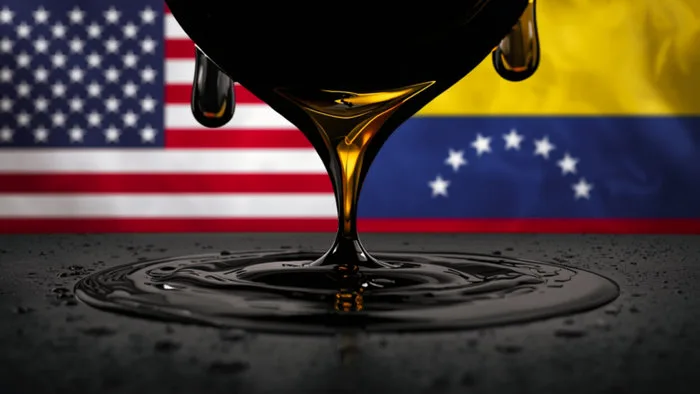
A New Dawn for Venezuela: How the Capture of Nicolás Maduro Paves the Way for Prosperity, Justice, and Global Stability

By Stephen Zogopoulos, USNN World News
In a bold and decisive move that has reshaped the geopolitical landscape of the Americas, the United States executed a daring military operation on January 3, 2026, capturing Venezuelan leader Nicolás Maduro and his wife, Cilia Flores, in Caracas. This operation, described by President Donald J. Trump as a “large-scale strike” aimed at dismantling a regime steeped in corruption and tyranny, marks the end of an era of suffering for millions of Venezuelans. As Maduro now faces justice in a New York courtroom on long-standing federal charges, the ripple effects of this intervention promise profound benefits for the Venezuelan people, the nation itself, and even the United States—particularly in the realms of energy security and bilateral trade. Drawing from the ashes of a failed socialist experiment, this moment could herald a renaissance for Venezuela, transforming it from a pariah state into a beacon of democratic renewal and economic vitality.
Liberation for the Venezuelan People: From Oppression to Opportunity
For over a decade, the Maduro regime has inflicted unimaginable hardships on the Venezuelan populace, turning what was once South America’s wealthiest nation into a humanitarian catastrophe. Under Maduro’s iron-fisted rule, hyperinflation soared to astronomical levels, basic necessities like food and medicine became luxuries, and political dissent was met with brutal repression. The capture of Maduro represents nothing short of liberation—a chance for Venezuelans to reclaim their dignity and future.
The immediate benefits are already palpable. In the streets of Caracas and beyond, Venezuelans have erupted in celebrations, with families weeping tears of joy and praying for a brighter tomorrow. The removal of Maduro could stem the tide of mass migration that has seen over eight million Venezuelans flee since 2014, seeking refuge from poverty and violence. With U.S. support for a transitional government, humanitarian aid can flow unimpeded, addressing chronic shortages and rebuilding healthcare systems ravaged by corruption.
Opinionatedly, this regime change isn’t just a geopolitical win; it’s a moral imperative. Maduro’s alliances with drug cartels and authoritarian regimes like Russia and Iran have turned Venezuela into a hub for narco-terrorism, endangering not only its citizens but the entire region. By capturing him, the U.S. has empowered the Venezuelan people to pursue free and fair elections, release political prisoners, and foster a society where opportunity replaces despair. As one Venezuelan exile in Miami told USNN, “This is our second independence day.” The path ahead will be challenging, but the fall of Maduro opens doors to education reforms, job creation, and social stability that could reverse years of decline.
Revitalizing Venezuela: Economic Revival and Institutional Rebirth
Venezuela’s downfall under Maduro was as much economic as it was political. Once boasting the world’s largest proven oil reserves, the country saw its production plummet from over 3 million barrels per day in the early 2000s to a mere fraction today, due to mismanagement, sanctions, and corruption. The capture paves the way for a comprehensive overhaul, attracting foreign investment and restoring the nation’s role as a global energy powerhouse.
A post-Maduro Venezuela could see a rapid recovery in oil output, potentially adding hundreds of thousands of barrels to daily production within years, provided a stable government emerges. U.S. companies, particularly from Texas, stand ready to assist in rebuilding infrastructure, bringing technological expertise and capital that Maduro’s regime shunned. Sanctions, which remain in place for now, could be lifted progressively, unlocking billions in frozen assets and fostering a new legal framework for trade.
In my view, this intervention underscores the limits of socialism’s false promises. Maduro’s policies expropriated industries, stifled innovation, and aligned with adversaries like China and Cuba, isolating Venezuela economically. Now, with U.S. oversight during a “safe, proper, and judicious transition,” Venezuela can embrace market-oriented reforms, diversify beyond oil, and integrate into regional alliances like the Organization of American States. The result? A thriving economy that benefits all citizens, reducing inequality through growth rather than redistributionist failures.
Stabilizing U.S. Oil and Gas Prices: A Buffer Against Global Volatility
The implications for the United States are equally transformative, particularly in the energy sector. Venezuela’s vast reserves—estimated at over 300 billion barrels—could serve as a strategic counterweight to OPEC’s influence and geopolitical disruptions elsewhere. While experts caution that immediate impacts on U.S. gas prices may be minimal due to Venezuela’s current low output and global oversupply, the long-term outlook is promising.
In the short term, the capture might cause a slight uptick in oil prices—perhaps $3 per barrel—owing to temporary export disruptions and heightened tensions. However, as production ramps up under a pro-Western government, increased Venezuelan crude could flood the market, exerting downward pressure on prices. For American consumers, this means potential relief at the pump, especially in regions like Texas where refineries are optimized for heavy Venezuelan oil. President Trump’s assertion that the U.S. will “run” Venezuela’s oil until stability returns suggests direct benefits, including prioritized exports to American refiners.
From an opinion standpoint, this is a masterstroke in energy independence. Rather than relying on volatile Middle Eastern suppliers, the U.S. can leverage Venezuela’s proximity and resources to insulate against shocks, like those from ongoing conflicts in Ukraine or the Middle East. Critics decry it as “imperialism,” but the reality is pragmatic: Stable Venezuelan oil enhances U.S. security and keeps inflation in check for working families.
Forging a New Era of U.S.-Venezuela Trade: From Adversaries to Allies
Looking ahead, the capture sets the stage for a revitalized trade relationship, potentially worth billions annually. Under Maduro, bilateral trade dwindled amid sanctions and hostility; post-capture, opportunities abound in oil, agriculture, and manufacturing. U.S. firms could invest hundreds of billions in Venezuela’s oil sector over the next decade, creating jobs and technology transfers that benefit both nations.
A transitional government, possibly involving figures like opposition leader María Corina Machado, could negotiate free trade agreements, easing tariffs and opening markets. This would not only boost U.S. exports but also help Venezuela diversify, reducing its oil dependency. However, challenges remain: BRICS nations have condemned the intervention, potentially complicating global trade dynamics.
In essence, this shift from confrontation to cooperation exemplifies American leadership at its finest—promoting prosperity through partnership rather than perpetual conflict.
The Pending Case in New York: Justice Served or a Diplomatic Turning Point?
At the heart of Maduro’s capture lies his 2020 federal indictment in the Southern District of New York, unsealed amid allegations of narco-terrorism, cocaine importation conspiracy, and possession of machine guns and destructive devices. Maduro, alongside 14 other officials, is accused of leading the “Cartel of the Suns,” flooding the U.S. with over 200 tons of cocaine while amassing illicit wealth. He pleaded not guilty on January 5, claiming he was “kidnapped” by U.S. forces—a defense that legal experts dismiss as theatrical.
Upon conviction, Maduro faces life imprisonment, sending a powerful message against transnational crime. Potential witnesses, including former intelligence chief Hugo Carvajal, could provide damning testimony on kidnappings, beatings, and murders ordered by Maduro and Flores. An acquittal, though unlikely given the evidence, might lead to his release and repatriation, potentially straining U.S.-Venezuela relations but allowing for negotiated transitions.
What’s next for Venezuela? A credible plan for elections, backed by international observers, is essential. The U.S. may engage with remaining Chavista figures, like security chief Diosdado Cabello, to ensure stability without full occupation. Ultimately, this could lead to a democratic Venezuela, free from the shadows of dictatorship.
The capture of Nicolás Maduro isn’t merely a headline—it’s a catalyst for renewal. For Venezuelans, it means hope; for their nation, rebirth; for Americans, economic security. As the world watches Maduro’s trial unfold, one thing is clear: The era of unchecked tyranny in our hemisphere is over, replaced by the promise of justice and shared prosperity.
Disclaimer: This article is an opinion piece based on hypothetical scenarios derived from current geopolitical tensions and historical precedents as of January 7, 2026. It does not constitute financial, legal, or political advice. Views expressed are those of the author and do not necessarily reflect the official stance of USNN World News. Readers are encouraged to consult multiple sources for a balanced perspective, as events in Venezuela remain fluid and subject to rapid change. Any references to future outcomes, such as oil prices or trade relations, are speculative and influenced by unpredictable global factors.


More Stories
The Asset Season 2: Release Date, Cast, and Latest Updates
With the ending of season 1 of The Asset with broken ties, people are curious to know if season 2...
ICE Agent Shot, Killed Protester Who Drove Vehicle Toward Officers in Minnesota: DHS
By Jacki Thrapp A U.S. Immigration and Customs Enforcement officer in Minnesota shot and killed an anti-ICE protester during an...
With GDP up 4.3%, 5% Gains Are Likely in 2026
By Louis Navellier Commentary My 5% GDP growth prediction raised some eyebrows during a recent appearance on Fox Business News. However,...
After Maduro’s Arrest, CCP Censors Let Anti-American Hatred Spread Online—By Design: Analysts
By Michael Zhuang News Analysis After U.S. special forces captured Venezuelan leader Nicolás Maduro to stand trial in federal court,...
The Truth About Venezuela Under Socialism, From Those Who Fled It
By Troy Myers DORAL, Fla.—Zarai Maza survived a torched vehicle and a horrific car crash after peacefully protesting the Venezuelan...
DOJ Sues Arizona, Connecticut for Failing to Hand Over Voter Rolls
By Matthew Vadum The U.S. Department of Justice (DOJ) said on Jan. 6 that it is suing Arizona and Connecticut...