
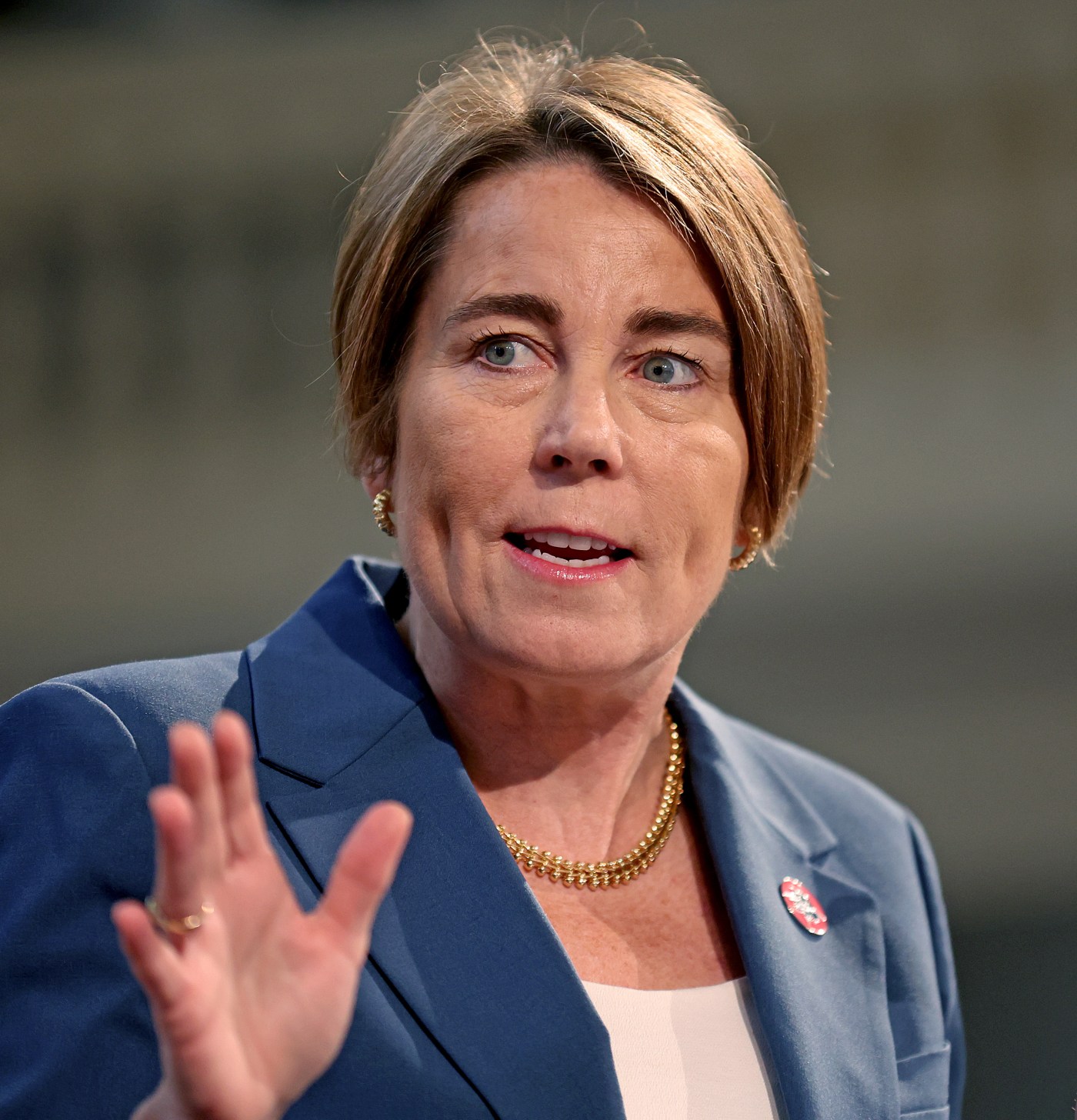
Editorial: Rent control not part of Healey’s affordability plans

By action rather than words, Gov. Maura Healey previously has indicated that rent control isn’t an effective way to combat the high housing cost burden borne by too many residents of this state.
The Legislature and Healey partnered in 2024 to pass a major new housing production law. The governor’s capital investment plan for fiscal years 2026-2030 calls for housing investments totaling $2.34 billion. The administration contends that funding in fiscal 2026 will drive down housing costs by helping to create more than 6,000 new units.
Since a 1994 voter law banned rent control in Massachusetts, bills brought forward to overturn that statute have continually stalled in the Legislature.
The latest legislative attempt, a bill by Sen. Pat Jehlen, a Somerville Democrat, would enable cities and towns to limit rent increases to the rate of inflation and with a cap of 5%. It also bans no-fault evictions.
Jehlen’s proposal includes exemptions for owner-occupied buildings with four or fewer units, public and subsidized housing, college dorms, newly constructed buildings for five years, and facilities that provide residential elderly care.
But now a referendum proposing that course has advanced closer to a place on the 2026 state ballot.
The Secretary of State’s office announced in mid-December that it certified 88,132 signatures for that petition — 13,000 more than required. Rent control is one of five ballot measures that have been certified so far this cycle. Eligible petitions will be filed as bills by the first legislative day of the new year (Jan. 7).
The ballot initiative proposes a limit on annual rent hikes for most units to either the annual Consumer Price Index increase or 5%, whichever is lower.
While Healey has highlighted the now enacted ban on renter-paid broker’s fees as an accomplishment “to save renters thousands,” she draws the line at rent control.
Asked by host Jim Braude on “Boston Public Radio” about whether she’d support the ballot measure, Healey said, “Look, I understand the need, the interest in rent control, right? I mean, it’s why I’ve worked really, really hard, Jim, to build as many houses as I can.”
Healey alluded to a 220,000-unit housing shortage Massachusetts faced at the start of her tenure, and said that the state has so far “started or built 100,000 homes.”
“We’ve got more work to do, but I’m trying to do everything I can to drive down housing costs, which drives down housing prices, but also rent. My concern, you know, rent control is not going to be the solution to how we get through this crisis. We need to build more homes,” Healey said.
But rent-control supporters point to the ballot initiative as a way to help improve housing stability, as well as protect small landlords.
“We do understand that housing costs and building housing is expensive, but that does not mean that we take away the accountability that developers and large corporate landlords have around where they are building housing,” Noemi Ramos, New England Community Project executive director, said at a November rally.
But Tony Lopes, with the Small Property Owners Association, cited rent-control lessons from San Francisco and New York City, which he claimed led to the loss of rental units and discouraged investment and maintenance.
Those two cities also continue to have the highest rental costs in the nation.
Rent control isn’t the answer to the state’s chronic lack of availability and affordability.
Editorial cartoon by Gary Varvel (Creators Syndicate)


More Stories
Europeans must pay more for medicine – German pharma giant
Profits have fallen since US President Donald Trump pushed to lower prices for Americans German pharma giant Bayer has warned...
Panic buying drains French gas stations
Hundreds of sites have run dry across the country after price caps triggered a surge in demand amid Middle East...
Ratcliffe backs tory plan to scrap carbon taxes amid industry pressure
Jim Ratcliffe has thrown his support behind Conservative proposals to scrap carbon taxes, intensifying the debate over the cost of...
Bank of England warns Iran war could trigger financial crisis risks
The Bank of England has warned that escalating tensions in the Middle East could push the UK towards a financial...
SpaceX files for record-breaking IPO with $1.75tn valuation target
SpaceX is preparing for what could become the largest stock market debut in history after confidentially filing for an initial...
Inflation fears surge as rate cut hopes fade for UK businesses
Inflation expectations among UK businesses have climbed to their highest level in more than two years, as the economic fallout...