
Folan: What history asks of us in 2026

On New Year’s Day 2026, our country begins the celebration of the 250th anniversary of its founding, as Dexter Southfield School marks the centennial of its own founding. Pulitzer Prize-winning historian David McCullough once wrote, “History is who we are and why we are the way we are.” In this year of milestones, that sentence feels less like reflection and more like responsibility — an invitation to honor those who came before us while asking what we are prepared to carry forward.
“The marvelous thing about the past,” McCullough once said, “is whenever you reach down into it, all you find is life.” History is alive with people who argued, failed, tried again, and still believed their participation mattered. That belief feels especially urgent today, when civic participation is too often replaced by performance.
McCullough believed history prepares people for citizenship. Democracies endure, he argued, only when citizens recognize how fragile institutions are and how easily freedom erodes when people withdraw. Patriotism, rightly understood, is not something one declares; it is something one practices.
Founded in 1926, Dexter was built by families who believed education was more than preparation for success. It was formation for citizenship. Schools shape intellect and character; strong democracies depend on such institutions.
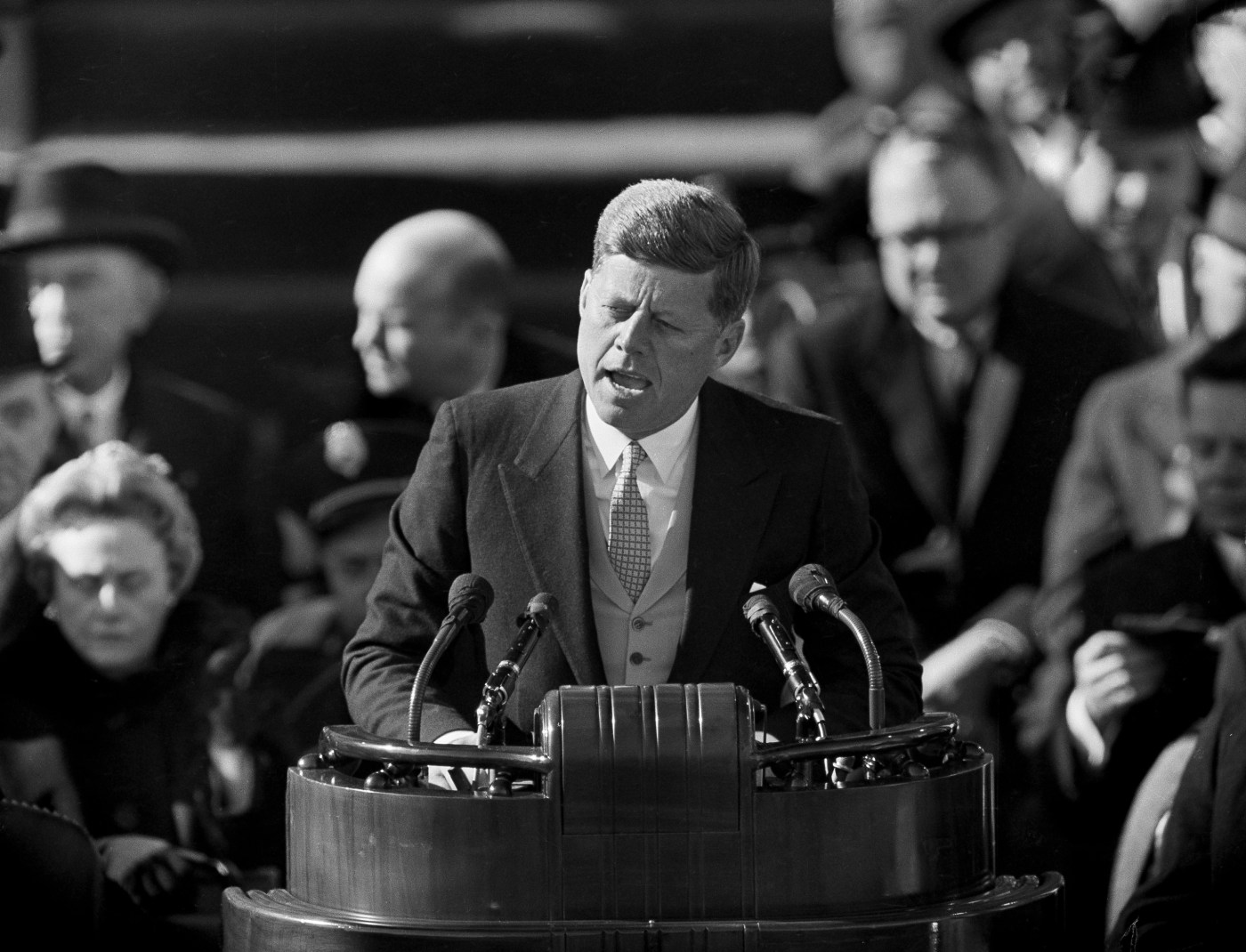
Among Dexter’s students was a young John F. Kennedy. Long before he inspired a nation, he was shaped by a school that valued history, debate, rhetoric, public speaking, athletics, and service. The habits he encountered — standing for the hard right against the easy wrong — helped form the leader he would become.
History is clear: Kennedy, like all leaders, was imperfect. But history does not remember perfection. It remembers those who stepped forward in support of the greater good. When Kennedy urged Americans in 1961 to “ask not what your country can do for you, ask what you can do for your country,” he issued a call to engagement and shared responsibility. That challenge still resonates.
McCullough believed democracy depends on people who show up in their communities and their institutions to have important conversations that shape the future.
As we mark the founding of our country alongside the founding of our school, we are reminded why history matters. McCullough once described himself as a “short-term pessimist and a long-term optimist,” acknowledging turbulence while insisting that progress remains possible when people stay engaged.
History does not belong only to those who came before us. It is a gift entrusted to those willing to carry forward the lessons and sacrifices. Sixty-five years ago, President Kennedy declared that “the torch has been passed” as an invitation. That torch is still being passed in classrooms and communities, in conversations and commitments, and in the daily choices that shape our shared future.
As we enter this milestone year, may we accept that inheritance with gratitude and courage and use it in service of the institutions and civic life that sustain our country. History asks no less of us.
Dr. Peter F. Folan is the Head of School at Dexter Southfield in Brookline

More Stories
Middle East war triggering global energy ‘shock’ – IMF
Disruptions to oil and gas supplies will leave lasting “scars” on the world economy, managing director Kristalina Georgieva has said...
What is fueling unrest across the EU?
The bloc is facing an energy crisis due to the Strait of Hormuz disruption, with soaring diesel prices triggering protests...
OECD urges reeves to overhaul ‘inefficient’ UK tax system
Rachel Reeves has been told by one of the world’s most influential economic bodies that Britain’s tax system is holding...
Easter lifts footfall but retailers brace for April cost squeeze
Britain’s high streets enjoyed a welcome lift last month as an early Easter drew shoppers back through the doors, but...
Google takes on Opentable with AI that books your dinner in seconds
Google has fired the opening shot in a battle for Britain’s restaurant booking market, rolling out an artificial intelligence tool...
Retail backers of SEIT face wiping out half their money as green trust raises the white flag
Thousands of small investors who piled into one of London’s best-known green investment vehicles are staring down the barrel of...