
How bomb cyclones form and create dangerous conditions

By ISABELLA O’MALLEY
When turbulent weather with whipping winds and heavy snow is in the forecast, meteorologists sometimes warn that a storm could “bomb out” or become a bomb cyclone. But what exactly does this mean?
Related Articles
A power outage can turn dangerous fast. Here’s how to prepare
Gaskin: Building a better future with smarter metrics
It’s been 25 years since America decided to save the Everglades. Where do we stand?
Hawaii’s Big Island bans feeding feral cats in an effort to help endangered native species
Virginia offshore wind developer sues over Trump administration order halting projects
According to the U.S. National Oceanic and Atmospheric Administration, certain storms undergo bombogenesis, which happens when a storm’s central pressure drops at least 24 millibars in 24 hours. These storms are sometimes called bomb cyclones. Storm intensity is measured by central pressure, so the lower the pressure, the stronger the storm.
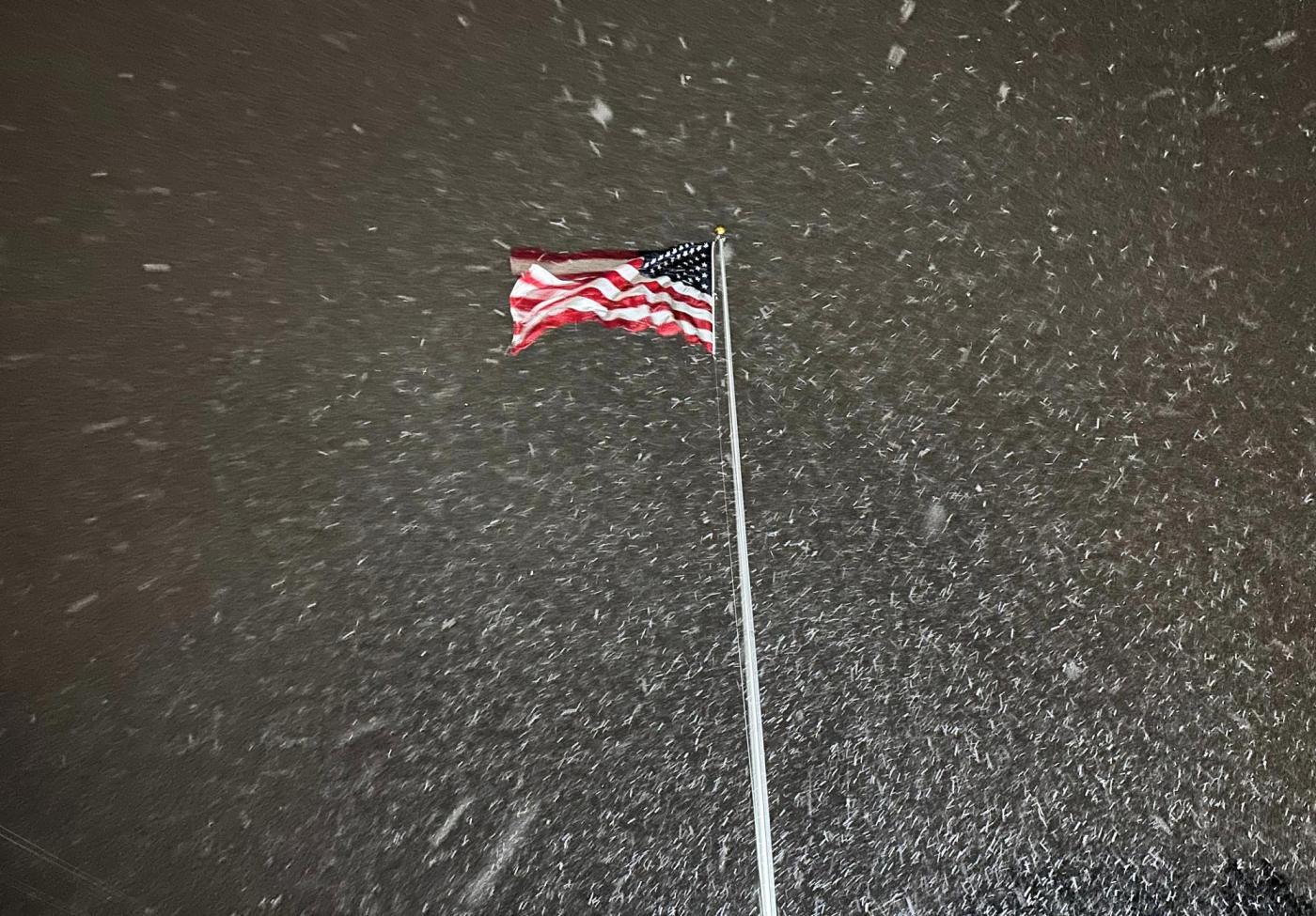
Such rapidly strengthening storms are capable of producing heavy rain, blizzard conditions and intense winds that can create dangerous conditions such as downed trees and power outages.
“If you’re watching TV at night and the weather report comes on and you’re hearing ‘bomb cyclone’ being used, that usually means there’s quite a bit of active weather going on,” said Andrew Orrison, a meteorologist with the National Weather Service in College Park, Maryland.
Bomb cyclones can happen in any season, but mainly occur during fall and winter when frigid air from the Arctic can creep south and clash with warmer air masses.
“It’s really the clash of those air masses that really kind of helps to generate the areas of low pressure in the first place,” said Orrison.
Regions in North America that are prone to seeing bomb cyclones include Alaska, the Pacific Northwest and the Great Lakes region.
“It’s not common to get bomb cyclones at lower latitudes. So generally speaking, you wouldn’t see a bomb cyclone across, let’s say, the southern United States,” said Orrison.
The Associated Press’ climate and environmental coverage receives financial support from multiple private foundations. AP is solely responsible for all content. Find AP’s standards for working with philanthropies, a list of supporters and funded coverage areas at AP.org.

More Stories
The moon and sun figure big in the new year’s lineup of cosmic wonders
By MARCIA DUNN, Associated Press CAPE CANAVERAL, Fla. (AP) — The moon and sun share top billing in 2026. Kicking...
Bears’ attempt at seventh late comeback ends in the dirt
SANTA CLARA, Calif. — The game couldn’t have started much better for the Chicago Bears after getting a pick-6 on...
Opinion: Radiators, Tenants & NYC’s Green Buildings Law
“Nearly 70 percent of New Yorkers with steam heat report being chronically overheated during the winter. Tenants are uncomfortable and landlords...
Patriots waive two players to potentially activate two starters from IR
The Patriots cleared two spots on their 53-man roster Monday by waiving center Brenden Jaimes and cornerback Miles Battle. That...
Chisago City man charged with fatal Christmas Day assault of hospital security guard
A Chisago City man was charged with murder after authorities say he assaulted a security guard while fleeing a hold...
Trump: US ‘hit’ Venezuela drug boat facility
PALM BEACH, Fla. — President Donald Trump has indicated that the U.S. has “hit” a dock facility along a shore...