
Minnesota DNR acquires 16,000 acres of forestland

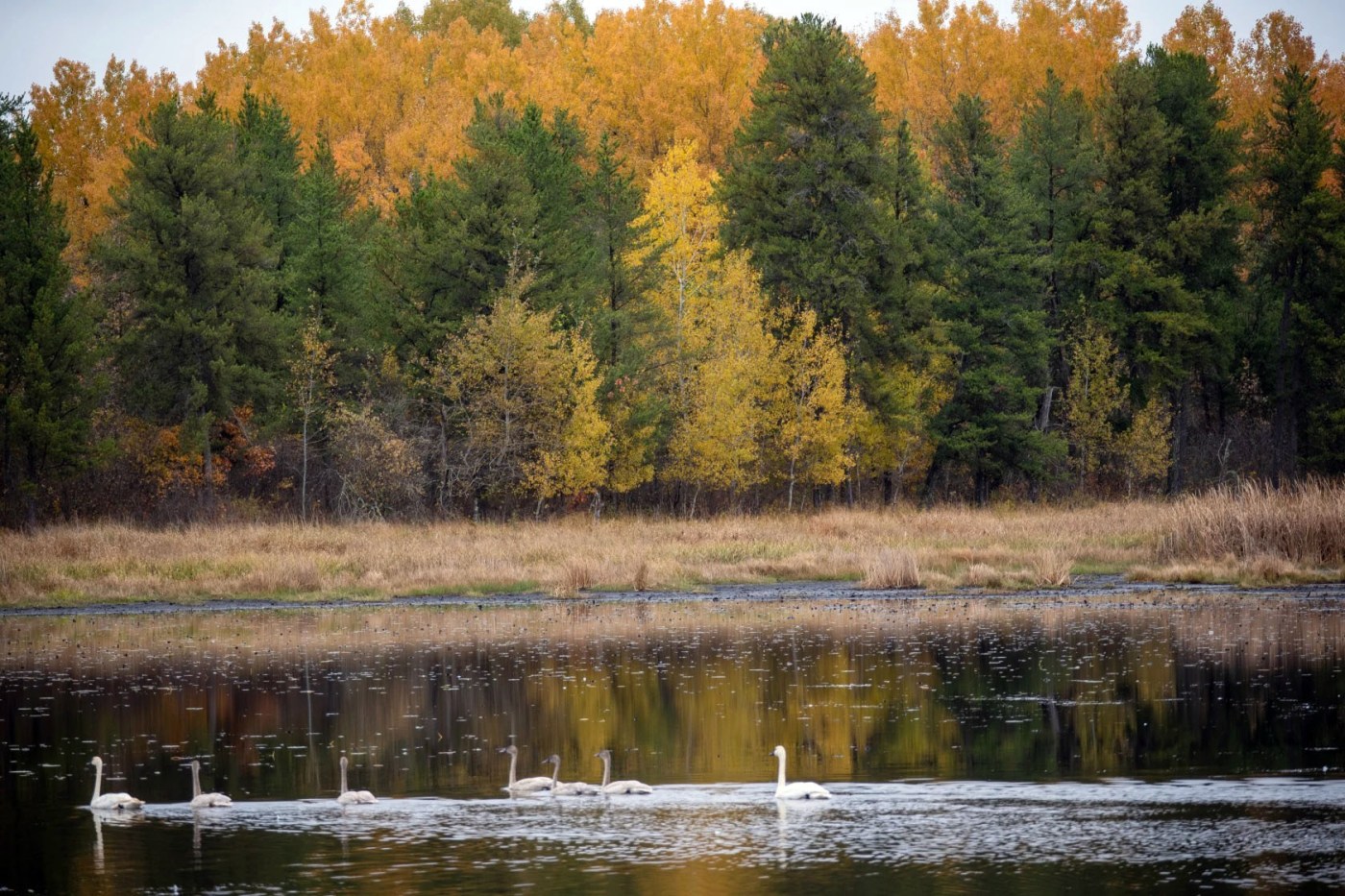
The Minnesota Department of Natural Resources has acquired 16,000 acres of forested land across 10 counties in northern Minnesota.
The project is the agency’s largest land acquisition since 2010 and is an effort to protect the forests, lakes and waterways, expand outdoor recreation access and preserve critical habitat, according to Ingrid Johnson, DNR northeast regional information officer.
Combined, the acquisition comprised two transactions totaling more than $17 million that involved a number of partnerships, among them the Conservation Fund, Northern Waters Land Trust and multiple Minnesota counties, Johnson told the Grand Forks Herald.
In the first transaction of $12.6 million, with funding from the Minnesota Legacy Outdoor Heritage Fund, the DNR collaborated with Northern Waters Land Trust and nine counties to select 10,675 acres within Aitkin, Becker, Carlton, Cass, Crow Wing, Hubbard, Itasca, Koochiching and Wadena counties. These lands will expand existing wildlife management areas, scientific and natural areas and state forests.
The second transaction of just over $5 million involved the DNR acquiring 5,120 acres in St. Louis County using Reinvest in Minnesota dollars. These lands will expand and consolidate ownership in existing state forests, creating larger, contiguous blocks of DNR land.
Prior to the acquisitions, the DNR and its partners met to discuss funding, to review portfolios and conservation priorities, and to align goals.
“First and foremost,” Johnson said, “the reason we tried so hard to expand existing state land is because contiguous blocks of land, large blocks of land, are really beneficial to the habitat that live in these areas, especially our big traveling herds like deer and moose. Bear live there too,” Johnson said. “They all really thrive on big tracts of land. Also, it’s easier for us to manage the land for clean water and habitat preservation.”
Each land designation has different rules, some that are still being worked out.
“But,” Johnson said, “the land is available for Minnesotans and anyone else to use immediately. … In scientific and natural areas, you can recreate as long as it doesn’t disturb the natural surroundings.”
Those who use these designated areas must stay on trails, for instance, and there is no hunting on these lands due to them being home to rare plant and animal species. Hunting can occur in wildlife management areas, per state and area hunting regulations.
The land acquisition efforts began with The Conservation Fund purchasing land from PotlatchDeltic Corp. between 2018 and 2022, with the intent of preserving large blocks of forestland. The DNR and counties then worked in collaboration to identify their respective acquisition priorities and secure funding.
DNR Commissioner Sarah Strommen said the acquisition will be a boon to Minnesotans and visitors for years to come, ensuring the lands are protected while also enhancing the local and state economies.
Related Articles
Governor orders flags to half-staff for Monday funeral of recent St. Paul firefighter grad
Minnesota Attorney General’s Office seeks public input on cryptocurrency ATMs
Robber holds up bank in Crow Wing County community of 200
Former MN Gov. Tim Pawlenty says 2026 is ‘best chance’ for GOP to win statewide
Enbridge to pay $2.8M over aquifer breach during pipeline construction
“Public lands are essential to Minnesota’s environmental stewardship, identity, and economy, and we appreciate the collaboration of our partners as we work to steward and conserve these lands for the future,” Strommen said in a statement.
Jason Meyer, St. Louis County director of Land and Minerals, added that the acquisition project, besides protecting wildlife habitat, will benefit the local and regional economies and the public.
“It is projects like these which help strengthen local communities by providing economic, environmental and recreational opportunities for the good of the region,” he said.

More Stories
UK business confidence crashes to Covid-era lows as Iran conflict forces firms into survival mode
Britain’s finance chiefs have retreated into full defensive mode as the fallout from the war in Iran sends confidence tumbling...
OpenAI doubles down on London with first permanent office despite Stargate U-turn
The decision by OpenAI to plant its flag in King’s Cross with a permanent London headquarters, just days after walking...
Founders push for ‘repeat entrepreneur relief’ to keep exit capital flowing back into UK start-ups
Some of Britain’s most prominent entrepreneurial voices are pressing the Treasury to introduce a targeted tax incentive designed to keep...
Middle East war triggering global energy ‘shock’ – IMF
Disruptions to oil and gas supplies will leave lasting “scars” on the world economy, managing director Kristalina Georgieva has said...
What is fueling unrest across the EU?
The bloc is facing an energy crisis due to the Strait of Hormuz disruption, with soaring diesel prices triggering protests...
OECD urges reeves to overhaul ‘inefficient’ UK tax system
Rachel Reeves has been told by one of the world’s most influential economic bodies that Britain’s tax system is holding...