
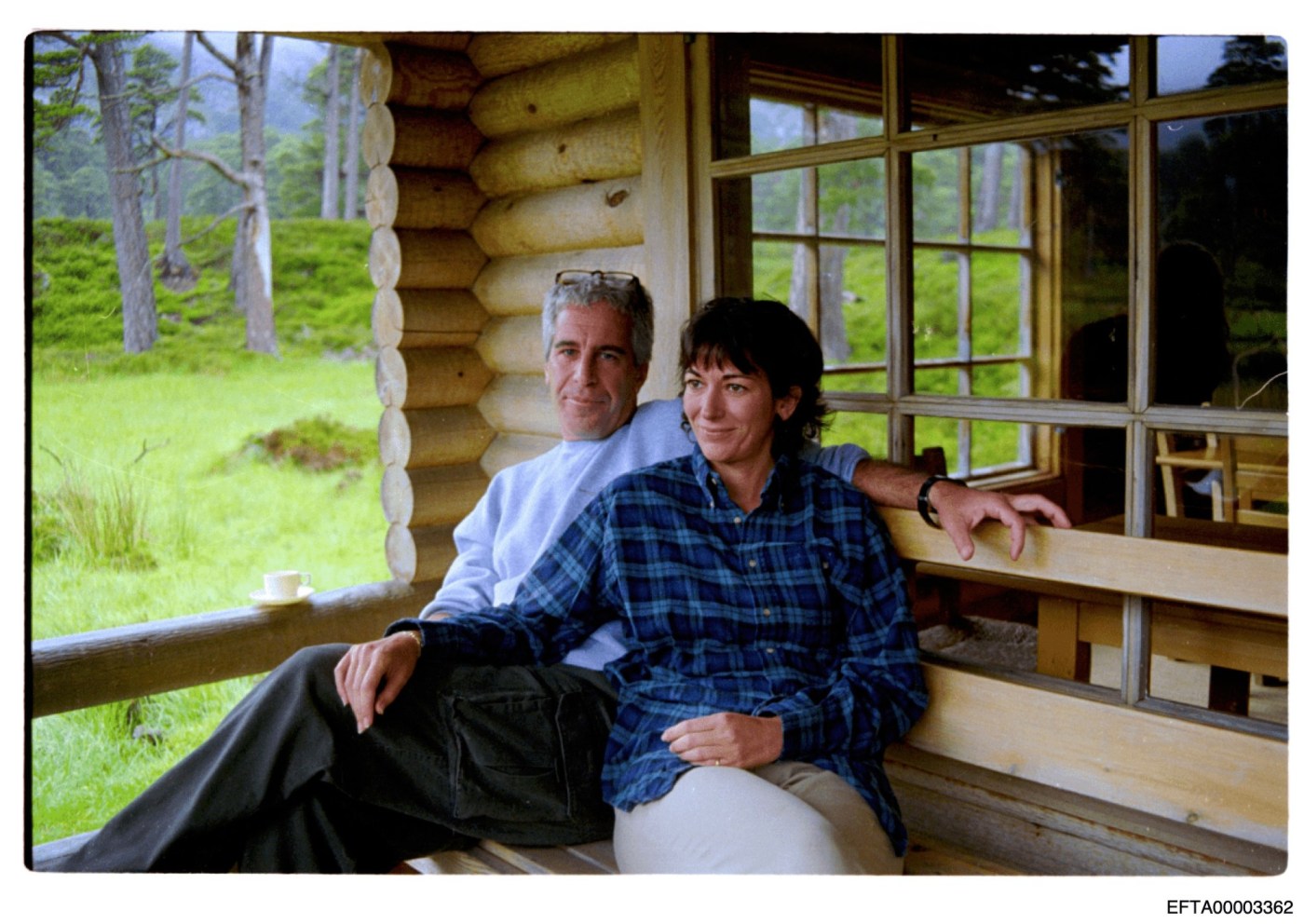
Judge scolds Ghislaine Maxwell

NEW YORK — A judge on Monday scolded Jeffrey Epstein’s longtime confidant Ghislaine Maxwell for including confidential victim names in court papers seeking to set aside her 2021 sex trafficking conviction and free her from a 20-year prison sentence.
Judge Paul A. Engelmayer said exhibits included with Maxwell’s habeas petition — which she filed on her own, without a lawyer — will be kept under seal and out of public view “until they have been reviewed and appropriately redacted to protect the identities of victims.”
Any future papers Maxwell files must be submitted under seal, the judge wrote.
He said he “reminds Maxwell, in strong terms, that she is prohibited from including in any public filings any information identifying victim(s) who were not publicly identified by name during her trial.”
A message seeking comment was left with Maxwell’s lawyer, David Markus.
Maxwell filed the petition last Wednesday, two days before the Justice Department started releasing investigative records pertaining to her and Epstein in accordance with the recently enacted Epstein Files Transparency Act.
Maxwell contends that information that would have resulted in her exoneration was withheld and that false testimony was presented to the jury. She said the cumulative effect of the constitutional violations resulted in a “complete miscarriage of justice.”
Engelmayer said Maxwell has until Feb. 17, 2026, to notify him whether she plans to include any information from the so-called Epstein files in her petition and must file an amended version by March 31, 2026.
A slow, heavily redacted release of files
Protecting victim identifies has been a key sticking point in the Justice Department’s ongoing release.
The department has said it plans to release records on a rolling basis by the end of the year, blaming the delay on the time-consuming process of obscuring victims’ names and other identifying information. So far, the department hasn’t given any notice when new records arrive.
That approach angered some accusers and members of Congress who fought to pass the transparency act. Records that were released, including photographs, interview transcripts, call logs, court records and other documents, were either already public or heavily blacked out, and many lacked necessary context.


More Stories
US court rules against Pentagon in killer AI dispute
The Department of War had ordered contractors to drop Anthropic after it refused to allow military use of its technology...
Which Interior Flooring is Best?
Where do you start when choosing new flooring? When shopping for new flooring a good place to start is to...
Petrol set to top £1.50 a litre as Iran war drives fuel price surge
UK drivers are bracing for a sharp rise in fuel costs, with petrol prices expected to exceed £1.50 per litre...
Dyson hit by £440m sales drop as Trump tariffs bite
Dyson has reported a £440 million drop in annual sales after being hit by US trade tariffs, although the group...
Octopus Investments to cut 20% of staff as AI reshapes asset management
Octopus Investments is set to cut around a fifth of its workforce as it accelerates the adoption of artificial intelligence,...
Next to invest £300m in UK logistics as new warehouse set to deliver £2.5bn boost
Next has unveiled a major expansion of its UK logistics network, committing more than £300 million to new warehouse infrastructure...