
Moriarty: Hepatitis B vaccines for babies crucial for safety

In 1990 I was a pediatric infectious disease physician at the National Naval Medical Center in Bethesda, Maryland. Our oncologist examined a patient who had an abdominal mass which turned out to be a hepatocellular carcinoma, a cancer caused by hepatitis B. This cancer usually shows up decades after a person becomes infected, but it can present earlier in life.
This 10-year-old boy had not had sex; he had not done IV drugs; he had never had a blood transfusion; he had never been in prison or had dialysis or traveled to a high-risk area for hepatitis, but his workup proved that he was infected with hepatitis B. Further investigation found that his mother was a hepatitis B carrier and two other children in his family were also infected with hepatitis B but had no symptoms. This boy and two of his siblings had been infected during birth and the virus took root in his body and lead to his liver cancer.
Decades ago, the Advisory Committee on Immunization Practices recognized that doctors were not always good at detecting risk factors for hepatitis B infections. They recognized that patients are not always good about disclosing or recognizing their own risk factors for hepatitis B. They knew that not all women were screened for hepatitis B during pregnancy despite the fact that it had been recommended since 1988. Based on studies of hepatitis B infection and of the safety and efficacy of preventive measures, in 1991, the ACIP reiterated the need to test all women during pregnancy and recommended all newborns receive a dose of hepatitis B vaccine at birth.
Hepatitis B infection is incurable, but it is preventable. In the 34 years since this recommendation has been followed, the incidence of hepatitis B infections has fallen by 99%, thus preventing chronic hepatitis B infections, cirrhosis of the liver, hepatocellular carcinomas, and the incredibly high medical bills of dealing with these long-term effects of hepatitis B infection acquired at birth or early in life.
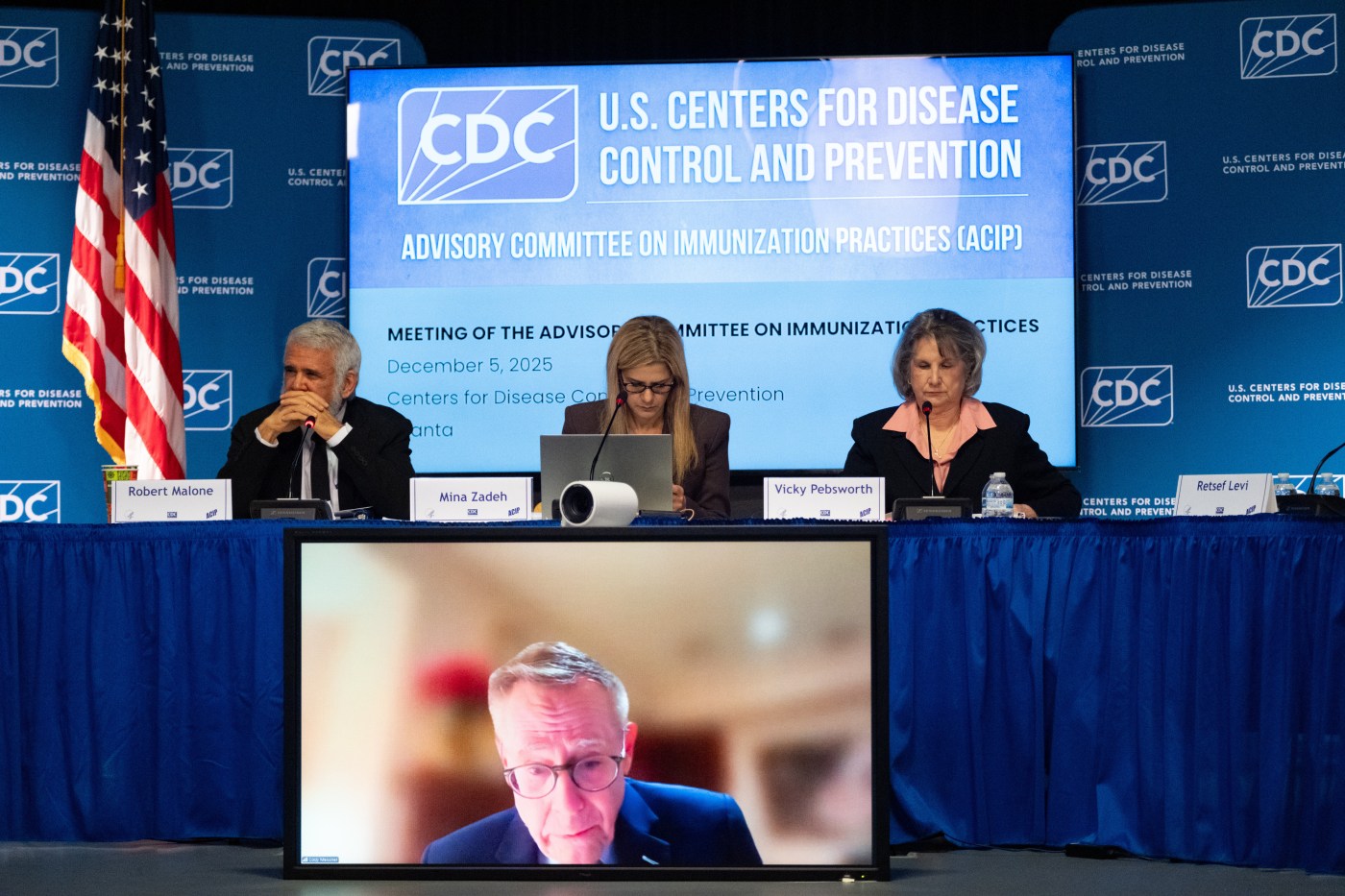
Without a single shred of scientific evidence to back up their dangerous decision, the recently reconstituted ACIP has ended the recommendation for the birth dose of hepatitis B vaccine, mistakenly reasoning that babies aren’t at risk for hepatitis B since they haven’t done IV drugs and haven’t had sex (hepatitis B can be passed to babies through delivery). They think that all mothers have been tested and that a mother’s negative test means that there are no other risk factors for a baby to be infected.
Hepatitis B is very contagious and can be passed in small amounts of blood from an open wound to an infant, from the bite of an infected toddler, from contact with infected blood at daycare or at school, from an infected person sharing a toothbrush or chewing food for a child (yes, some people actually do that). It can be passed by contaminated glucose monitors, unsterile tattooing, ear piercing, by “blood brother” rituals, by getting stuck with a contaminated needle that a child finds in a park, and even rarely by incorrectly sterilized medical procedures.
An estimated 2.4 million people in the US live with chronic hepatitis B. People who are hepatitis B carriers don’t have signs on their foreheads announcing that fact; they can look healthy and seem healthy for years until cirrhosis or liver cancer show up.
Hepatitis B vaccine at birth is safe, effective, and gives long lasting protection from an infection that can have devastating consequences. It is critical that we continue the practice that was initiated in 1991 to protect newborns from hepatitis B and is still recommended by the American Academy of Pediatrics based on science and results.
Richard Moriarty, MD, FAAP, is a member of the MA Chapter American Academy of Pediatrics and an advocate with MA Families for Vaccines.
(Photo Metro Creative Services)


More Stories
F.D. Flam: The microplastics problem isn’t necessarily in your brain
In the realm of horror, it was hard to beat the headlines last February that you were carrying around the...
Robert Cropf: America’s unnamed crisis
I first encountered Leszek Kołakowski, the Polish political thinker, as an undergraduate. It was he who warned of “an all-encompassing...
Sheriff’s office investigating homicide, attempted suicide in rural Dakota County
The Dakota County Sheriff’s Office is investigating a double shooting Wednesday as a homicide and attempted suicide, according to the...
City financier Alan Howard joins exodus of UK billionaires to Switzerland
One of the City of London’s most prominent financiers has become the latest billionaire to relocate abroad, adding momentum to...
America continues to rely on the collective wisdom of the people
One of the joys of living in flyover country is the annual state fair. It is a mix of traveling...
Grand jury declines to indict man in shooting that killed teen at Kentucky State University
FRANKFORT, Ky. (AP) — A grand jury has declined to indict the father of two Kentucky State University students who...