
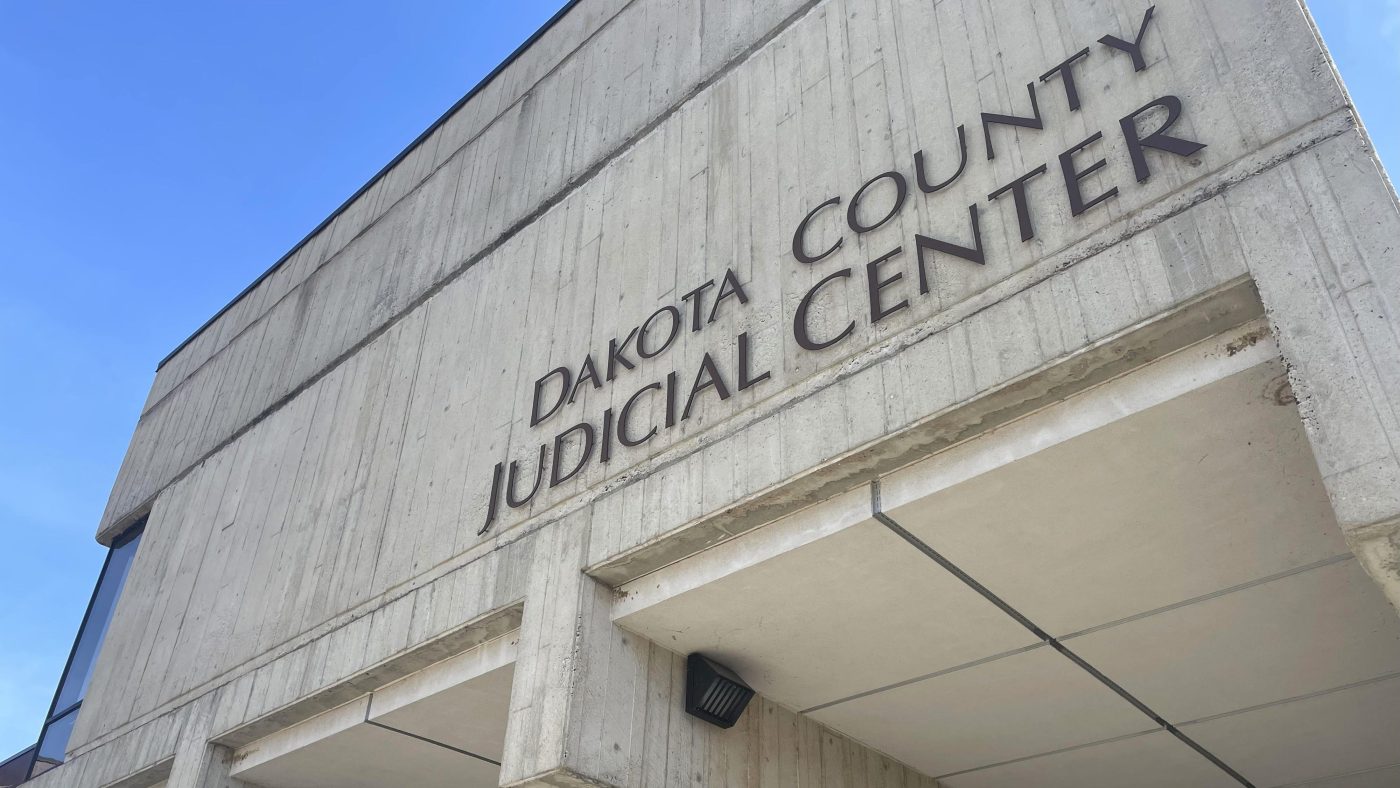
Dakota County approves 9.9% levy increase. Here’s what to know.

Dakota County residents can brace for rising costs as a nearly double-digit property tax increase is approved for the second year in a row.
The Dakota County Board of Commissioners approved its 2026 budget of $527.7 million, including a property tax levy of $184.2 million, on Tuesday, attributing rising costs to unfunded state mandates, internal cost pressures and a need to shore up reserve funds.
The county’s operating budget of $383.2 million will fund nearly 225 programs including public safety, community corrections, crisis services for children and adults, elections and library services, to name a few.
The overall budget is up less than 1% compared to last year’s budget of $523.1 million. The county portion of the property tax levy, up 9.9% compared to 2025, will cost the owner of a median-value single-family home an additional $68.22 on average, county finance director Will Wallo said at Tuesday’s meeting.
Commissioner Mike Slavik, who represents Farmington and Hastings, said he’s heard from residents that there is “some property tax fatigue” due to two years of significant increases.
Last year, the county also raised the tax levy 9.9%, totaling roughly $167.6 million. In 2025, that meant homeowners of a median-value single-family home saw their taxes go up around $40. And there could be more to come.
“The challenges we face this year don’t go away in 2027’s budget,” Slavik warned.
Challenges to the county’s budget are due, in part, to state-wide programs like the upcoming Paid Family Medical Leave program.
The program, which offers up to 12 weeks for both medical and family leave — with a total limit of 20 weeks a year — opens for all applicants on Jan. 1 and will launch with a 0.88% payroll tax. Dakota County will cover half of the premium costs associated with the program, with county employees covering the other half. The anticipated cost of the county’s portion in 2026 is $1.1 million, which will be paid for by the property tax levy, according to county spokesperson Scott Wente.
“It is absolutely imperative that we talk about the forces that are outside our control and the 116 state-mandated programs and the funding that we get, or don’t get,” said Commissioner Joe Atkins, who represents South St. Paul, West St. Paul and parts of Inver Grove Heights.
Budget breakdown
In Dakota County’s approved budget of $527.7 million, the largest funding sources are property taxes, which account for nearly 35% of the budget at $184.2 million, followed by state funding ($130.5 million or nearly 25%) and then federal funding ($62.6 million or nearly 12%), according to the county.
The remaining $150.4 million comes from charges and reimbursements, the county’s fund balance and other taxes, according to county documents.
About a third of the $184.2 million property tax levy will be used for public safety and corrections, Wallo said Tuesday. About a quarter of the levy will be used for social services with the rest being spread across fleet and facilities management, library services, welfare and child support collection, public health, parks, infrastructure, transportation and other public services.
Of the total budget, 55.6% will go to salaries and benefits for county employees, 28.7% will go to the capital improvement program and the remaining roughly 16% of the budget will be used for training, contracts and county support, Wallo said.
Budget cuts
To balance the budget, the county is cutting $8.8 million in spending, including more than 44 full-time equivalent positions.
The cuts, effective Jan. 1, include 35.8 full-time equivalents in Community Services, five in the Sheriff’s Office and 2.3 in the County Attorney’s Office, said Wente in an email.
Wente emphasized that the cuts did not result in any layoffs. Some positions that were cut were vacant. In other cases, staff will be moved to other positions within the county, he said.
Look back
Here’s a quick look at the county’s operating budget since 2015 and its most recent property tax totals:
Related Articles
16-year-old arrested in online threats that led to Dakota County schools closing
Mortgage of fallen Burnsville emergency responder Adam Finseth to be paid off by nonprofit
Obituary: Brad ‘Cluey’ TeGantvoort, 60, found love in the Pioneer Press medallion hunt
Minnesota Hockey Hall of Fame coming to Inver Grove Heights
Eagan native and former ‘Survivor’ contestant on campus during Brown University shooting
2015: $245 million.
2016: $269 million.
2017: $246 million.
2018: $249 million.
2019: $262 million.
2020: $278 million.
2021: $294 million.
2022: $290 million ($144.6 million in property taxes).
2023: $306 million ($147.4 million in property taxes).
2024: $336 million ($152.5 million in property taxes).
2025: $367 million ($167.7 million in property taxes).
2026: $383.2 million ($184.2 million in property taxes).


More Stories
From Scotland Yard Commander to Global Security Entrepreneur: Dr Ali Dizaei’s Leadership Story
There are career journeys that follow a straight line, predictable, uniform, and comfortable. And then there are journeys shaped by...
The Naughty AI President: A New Age of Governance
In the race to build better systems of governance, humanity has always chased an impossible ideal: the perfect ruler. Rational,...
Sends shares Q1 2026 business update and product progress
Sends reported Q1 2026 updates sharing news on digital cards, app redesign, ClearBank integration, and fintech industry recognition. Sends, a...
Government doubles down on gaming with £30m funding package as sector eyes global growth
The government has fired the starting gun on a £30 million funding offensive aimed at Britain’s video games sector, urging...
Rising energy costs from Middle East conflict set to leave UK households £480 worse off this year
Rising energy costs triggered by the escalating Middle East conflict are on course to strip nearly £500 from the finances...
UK firms risk being left behind as AI adoption gap widens, warns PwC
British businesses are in danger of being left stranded in the middle of the pack on artificial intelligence, with a...