
Clement: 1 big risk remains in GLP-1 boom

As Americans prepare for Christmas, it’s safe to say there were plenty of jokes at family tables this year about the explosion of popularity of GLP-1 weight loss drugs. As of August, 12% of Americans reported using these drugs, and at least 35% are considering the treatment originally intended for type 2 diabetes, but which has gone mainstream as a tool to slim down.
Active users of the treatment are not a niche group — we’re talking about almost 41 million Americans, or about the combined population of Florida and New York.
GLP-1s have shown incredibly promising weight loss results and are already upending the American diet, consumer purchases and holiday planning. According to a Cornell University study, households with at least one person using a GLP-1 cut their grocery spending by more than 5% in the first six months of use.
One of the most unexpected ripple effects of GLP-1s has been that airlines are talking about reducing flight prices in the long run, because they’ll spend less on fuel transporting smaller passengers. That might sound sensational, but a recent Bloomberg report estimates that for an airline like United, if passengers were an average of 10 pounds lighter, there would be $80 million in fuel savings.
Extrapolate that across the entire airline industry, and the numbers add up dramatically.
And then there is the effect on the healthcare system. Poor health from obesity and obesity-related illnesses weighs significantly on health systems and overall productivity, including lost hours worked, early death and informal caregiving.
That’s the promise of GLP-1s, but there is also some avoidable peril.
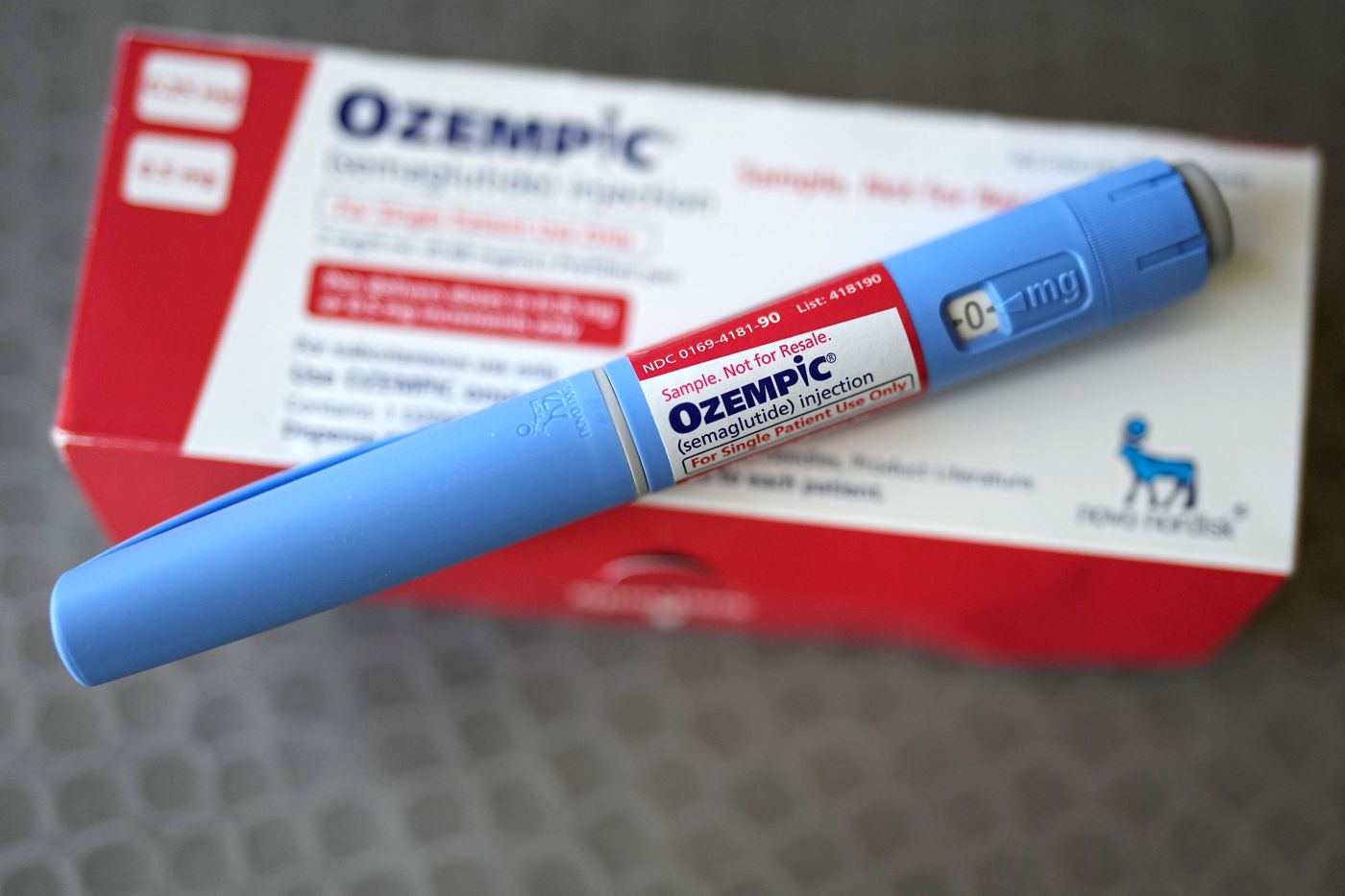
Americans’ slimming down is cause for much celebration, but the spike in demand for these drugs has sparked a predictable boom in knock-off products. The problem has grown so significantly that Sen. Tom Cotton wrote to Attorney General Pam Bondi, urging her office to crack down on counterfeit weight loss drugs entering the United States from China, Turkey and India.
In fact, from September 2023 to January of this year, 60 shipments of GLP-1 precursors entered the United States from unregistered entities in China, and there have been serious health consequences for Americans taking these illegal doses, including miscarriages, pancreatitis and death.
In a rare moment of bipartisanship, senators Ted Budd and Martin Heinrich have sought to have the Food and Drug Administration crack down on these illegal drugs coming from unregistered entities. According to a report from Reuters, online communities with membership north of 20,000 members are actively using Telegram and Reddit to import these unregulated drugs from China, and often mixing the ingredients at home.
Consumers can’t make the most of new products like GLP if there’s too much uncertainty in the regulation of counterfeit drugs. All the potential benefits could be undermined if Americans don’t feel confident that the doses they bought are genuine.
David Clement is the North American affairs manager at the Consumer Choice Center/InsideSources


More Stories
OECD urges reeves to overhaul ‘inefficient’ UK tax system
Rachel Reeves has been told by one of the world’s most influential economic bodies that Britain’s tax system is holding...
Easter lifts footfall but retailers brace for April cost squeeze
Britain’s high streets enjoyed a welcome lift last month as an early Easter drew shoppers back through the doors, but...
Google takes on Opentable with AI that books your dinner in seconds
Google has fired the opening shot in a battle for Britain’s restaurant booking market, rolling out an artificial intelligence tool...
Retail backers of SEIT face wiping out half their money as green trust raises the white flag
Thousands of small investors who piled into one of London’s best-known green investment vehicles are staring down the barrel of...
White House warns staff over Iran war bets – media
The warning comes as markets have spiked on several occasions before big announcements by President Trump The White House has...
JLR battery plant lands £380m as government unveils £700m EV package
Jaguar Land Rover’s under-construction gigafactory in Somerset has been handed a £380 million taxpayer grant as part of a £700...