
Editorial: If we want students in school, teachers must set example

School absenteeism has been such a problem that last year, Mayor Michelle Wu and Boston Public Schools Superintendent Mary Skipper went on a door-knocking venture to homes of kids with a history of chronic no-shows.
Perhaps the state should revive that effort, this time with a focus on teachers and school staff.
According to new state data, Massachusetts K-12 public school teachers and staff missed an average of about 12 days in the 2024-25 school year.
That’s about on par with student attendance, which also saw an average statewide of about 93% or 11.9 days in the 2024-25 school year, according to Department of Elementary and Secondary Education data.
Chronic absenteeism is defined as students missing 10% of school days, or 18 days total. Missing about 12 days isn’t chronic, but’s it’s on the threshold.
If we want students to come to school, teachers need to set the example.
“When we think about the reason, when we think about the importance of attendance at school, I think we can agree that there’s nothing more important than students having access to not only teachers, but all staff in their schools, and all the services that our schools can offer,” said Rob Curtin, DESE chief data officer.
In Boston Public Schools, teachers missed an average of 10.7 days in the 2024-25 school year, the data showed. BPS made strides in boosting student attendance from the previous year.
That’s a hopeful sign, both for students’ futures and the community. But absentee teachers and staff undercut efforts to get and keep kids engaged and in the classroom, whether in Boston or around the state.
The Massachusetts Teachers Association went on the defensive. “The vast majority of districts show an educator attendance rate of well over 90%,” said MTA President Max Page and Vice President Deb McCarthy. “But this data does not reflect the reasons why educators take time off and cannot be used in any punitive way against educators.”
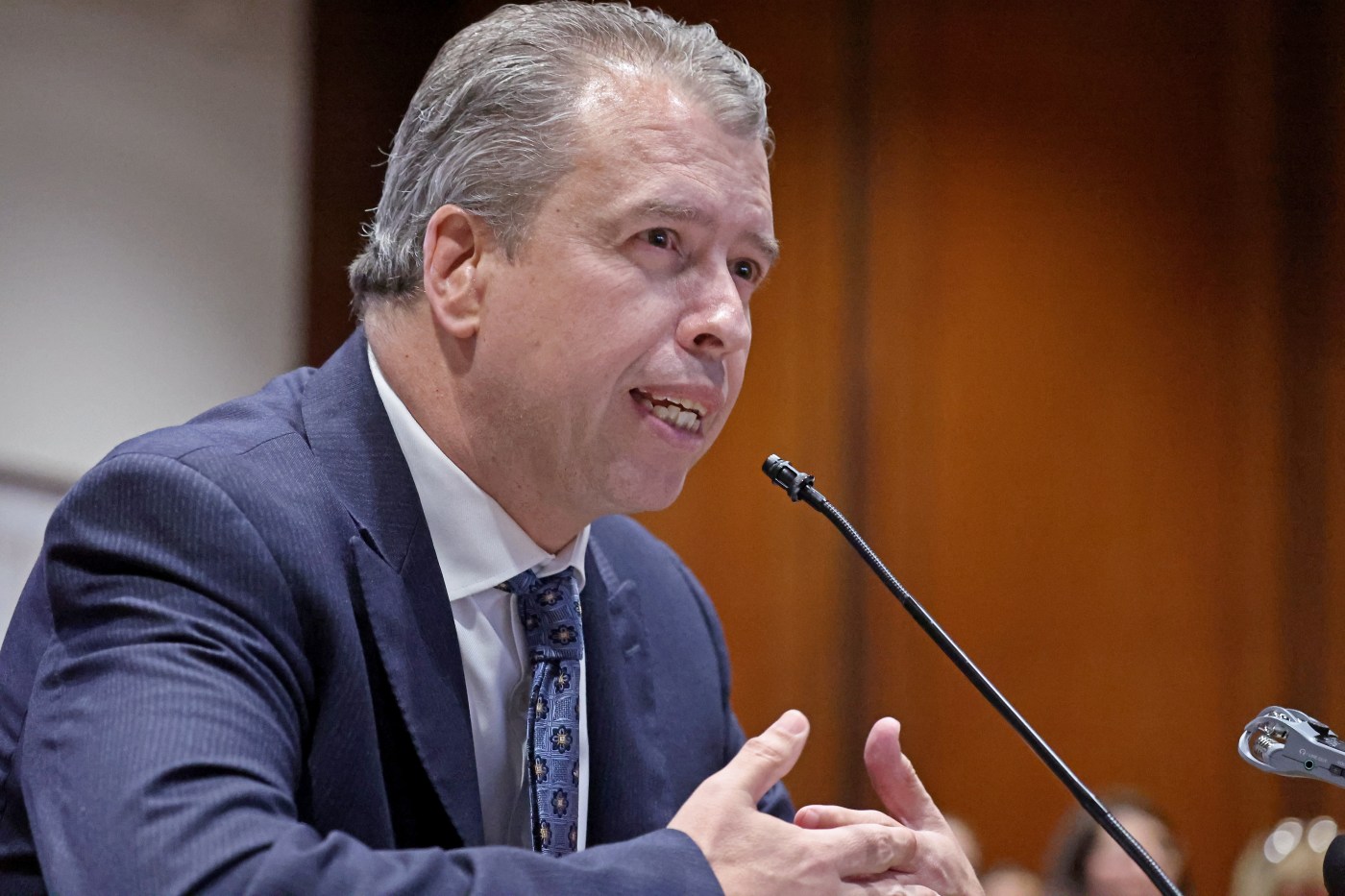
It’s not supposed to be punitive, but this data does show an area that needs improvement. DESE Commissioner Pedro Martinez said the release of the staff data was “not popular,” but “districts need to analyze this information to see what the impact is.”
There are some great substitute teachers out there, but they can’t replace consistency in the classroom.
“At the end, what really we want to get down to is… districts to have ownership of the data and to understand how it’s impacting what’s happening in their classrooms.”
When Wu, Skipper and company literally brought the problem of student absenteeism home last year, they offered information on support resources, and passed out school supplies and gift cards.
We don’t think teachers need to be enticed to come in with gift cards, but looking at what resources may be missing to support teaching staff is definitely warranted.
As for school supplies, it’s been widely reported that teachers pay for students’ supplies out of their own pockets. That was never acceptable, and any changes in the classrooms and teachers’ lounges need to address that, ASAP.
Editorial cartoon by Gary Varvel (Creators Syndicate)


More Stories
UK firms risk being left behind as AI adoption gap widens, warns PwC
British businesses are in danger of being left stranded in the middle of the pack on artificial intelligence, with a...
Virgin StartUp opens second round of free accelerator for dyslexic entrepreneurs
Virgin StartUp has launched applications for the second round of Momentum, its free eight-week accelerator programme built specifically to help...
UK business confidence crashes to Covid-era lows as Iran conflict forces firms into survival mode
Britain’s finance chiefs have retreated into full defensive mode as the fallout from the war in Iran sends confidence tumbling...
OpenAI doubles down on London with first permanent office despite Stargate U-turn
The decision by OpenAI to plant its flag in King’s Cross with a permanent London headquarters, just days after walking...
Founders push for ‘repeat entrepreneur relief’ to keep exit capital flowing back into UK start-ups
Some of Britain’s most prominent entrepreneurial voices are pressing the Treasury to introduce a targeted tax incentive designed to keep...
Middle East war triggering global energy ‘shock’ – IMF
Disruptions to oil and gas supplies will leave lasting “scars” on the world economy, managing director Kristalina Georgieva has said...