
Editorial: Despite building spurt, home ownership an elusive goal

It’s a recurring, discouraging statistic that no aspiring first-time homebuyer wants to hear.
Despite enduring some of the highest monthly expenses nationwide, only one in seven renter households in Greater Boston can afford an “entry level” home, according to the 2025 Greater Boston Housing Report Card released Wednesday.
The share of renter households with the means to buy a starter home fell from 30% in 2021 to 15% in 2025, the report shows.
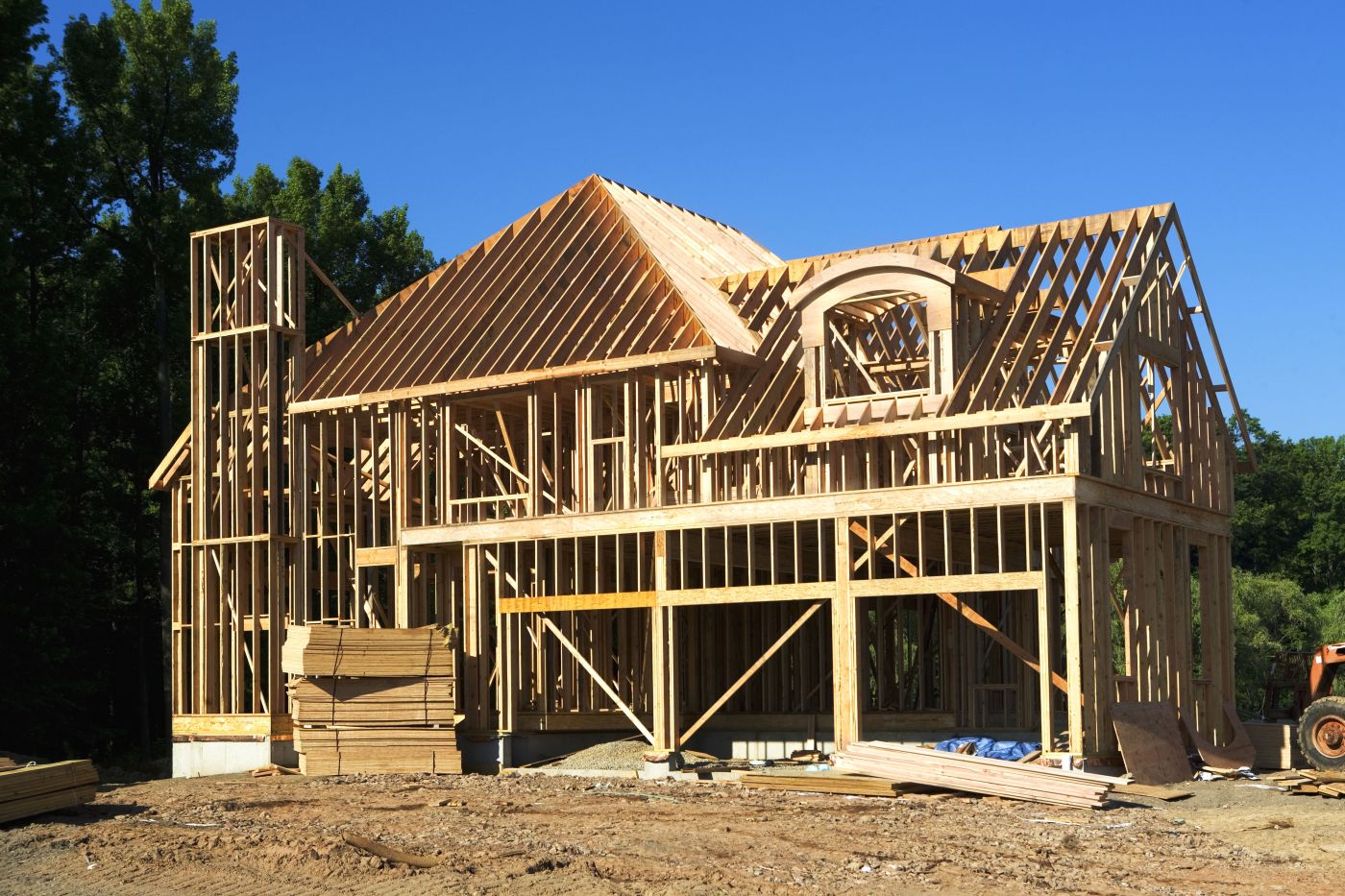
That’s despite a period of increased housing construction activity.
“While new data from the U.S. Census Bureau shows a significant uptick in new home completions in recent years, the increase has not significantly helped home affordability, and a decline in the number of new housing permits statewide suggests any construction uptick could be short-lived,” said Luc Schuster, executive director of the research arm of the Boston Foundation.
The annual housing report found that Massachusetts created just under 98,000 housing units from April 2020 to July 2025, with about 71,000 in Greater Boston.
The pace marks a “meaningful increase” and “would put Massachusetts within striking distance” of meeting the state’s goal of building 222,000 new units by 2035, the report stated.
“But permits, which signal future housing construction, are way down,” the report states. “New permits as of July 2025 are running 44% below levels for the same period in 2021.”
Despite the modest increase in housing construction, “Greater Boston’s housing affordability crisis has only worsened since the pandemic,” the report shows.
In 2025, home prices and rents have broadly leveled off but remain at unaffordable levels, the data shows.
Whereas in 2021, a household earning about $98,000 could buy a home at the low end of the market with a $2,520 monthly payment, a household this year would need to earn over $162,000 to afford the $4,200 monthly payment on the starter homes.
While Greater Boston encompasses communities with the state’s highest housing costs, it’s not an insignificant sample.
The Metropolitan Area Planning Council defines Greater Boston as an area made up of 101 communities — 22 cities and 79 towns — that includes a mix of coastal communities, older industrial centers, rural towns, and urban neighborhoods.
And while housing costs do moderate somewhat beyond that region, so do the incomes of those who live there.
And in many cases, incomes haven’t kept pace with housing prices, even in Gateway Cities.
Lt. Gov. Kim Driscoll spoke on the report’s finding Wednesday, citing the administration’s work in passing the $5.2 billion Affordable Homes Act in 2024, and the MBTA Communities Law requiring zoning for multifamily housing in the 177 communities served by that transportation system.
Despite the government’s efforts to spur housing construction, market forces — primarily the high cost of land and building materials — have conspired against it.
As the lieutenant governor stated, building sufficient housing shouldn’t be this hard.
But in Massachusetts, that’s the inescapable norm.
Sentinel and Enterprise
Editorial cartoon by Joe Heller (Joe Heller)


More Stories
US court rules against Pentagon in killer AI dispute
The Department of War had ordered contractors to drop Anthropic after it refused to allow military use of its technology...
Which Interior Flooring is Best?
Where do you start when choosing new flooring? When shopping for new flooring a good place to start is to...
Petrol set to top £1.50 a litre as Iran war drives fuel price surge
UK drivers are bracing for a sharp rise in fuel costs, with petrol prices expected to exceed £1.50 per litre...
Dyson hit by £440m sales drop as Trump tariffs bite
Dyson has reported a £440 million drop in annual sales after being hit by US trade tariffs, although the group...
Octopus Investments to cut 20% of staff as AI reshapes asset management
Octopus Investments is set to cut around a fifth of its workforce as it accelerates the adoption of artificial intelligence,...
Next to invest £300m in UK logistics as new warehouse set to deliver £2.5bn boost
Next has unveiled a major expansion of its UK logistics network, committing more than £300 million to new warehouse infrastructure...