
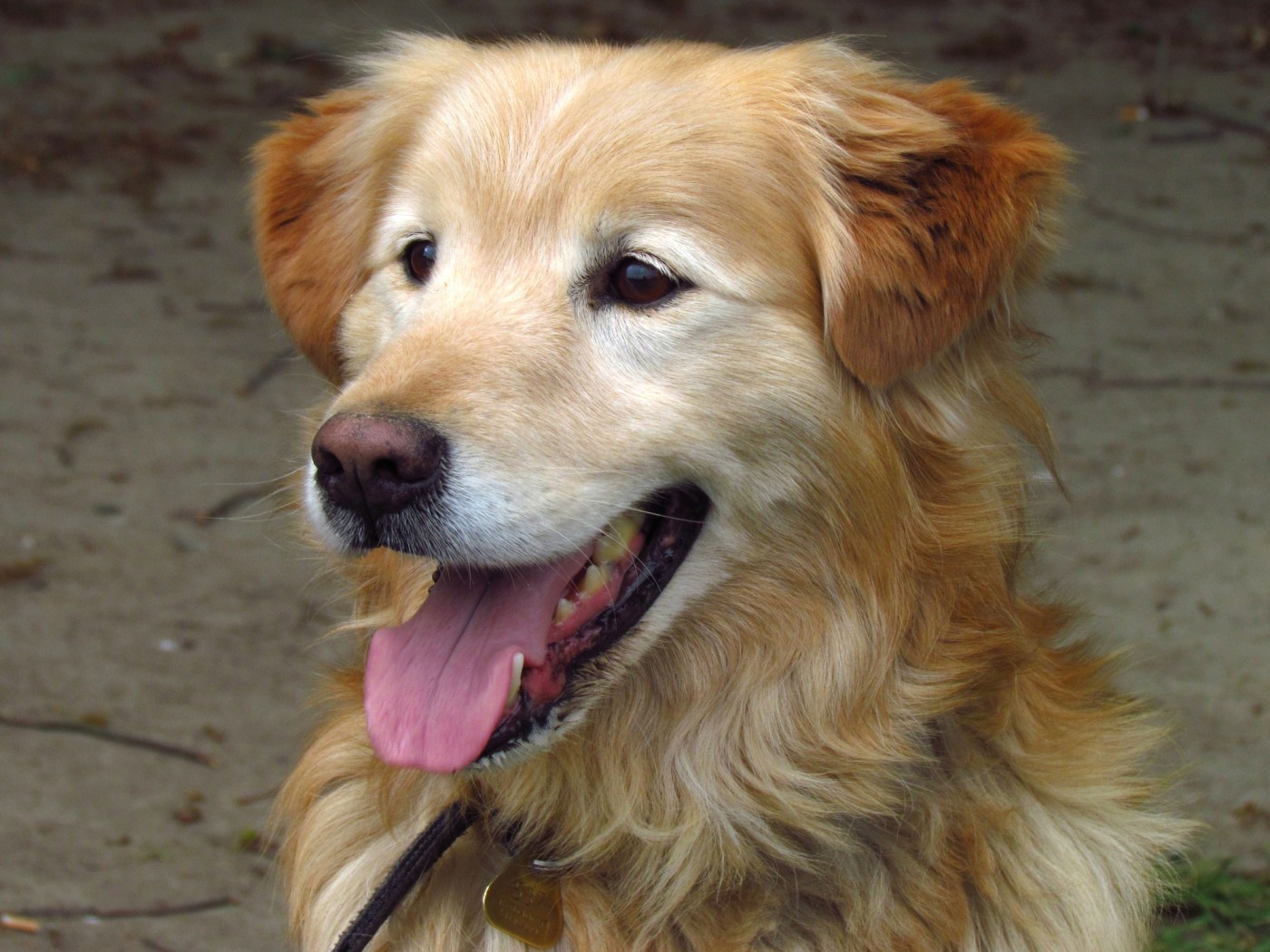
Is Tom Brady’s cloned dog an exact copy?

Dear Dr. John,
I learned that Tom Brady cloned his old dog before it died. The news stories suggested that he has an identical dog to the one he had before and that the cost was in the realm of $50,000. Is that what it costs and is this something people should consider if the costs come down in time? Are there any areas where cloning of animals or pets might be of good use? A.F.
Dear A.F.,
Cloning has been around for some time, but more sophisticated cloning began with a sheep in 1996. Cloning has been done since then on several species. The subject is delicate due ethical concerns, success rates, animal welfare, and what is acceptable. There is genetic, reproductive, and therapeutic cloning. What Tom Brady did with his dog falls under reproductive cloning, producing a copy of an animal.
Such cloning can reproduce the genetic makeup of the original animal which will also most likely look the same. Yet, there are many factors that will lead to a different animal such as environment and life experience. Brady’s new dog might look the same but probably has a different personality than the old dog.
In such cloning, cells are collected and then developed into a living embryo that must be implanted into a surrogate to carry to term and then nurtured until the new puppy is old enough to be weaned. Failure rates can be high leading to high costs. Exposure to the surrogate, the environment, survival instincts attained by living with a given set of circumstances, and so much more will lead to how the animal develops.
The primary ethical issues arise from the potential for use in humans. Can man produce genetically superior animals for human use or consumption of animal products? Should man interfere with the natural order to keep species from going extinct? While gene and therapeutic cloning can have some medical benefits such as with stem cells, this is still a highly personal issue with religious and cultural implications.
Dr. John de Jong is President of the World Veterinary Association. He owns and operates the Boston Mobile Veterinary Clinic and can be reached at 781-899-9994.


More Stories
AFC Playoffs: Bills overcome Jaguars
JACKSONVILLE, Fla. (AP) — Josh Allen took a pounding, doled out punishment and delivered Buffalo its first road playoff victory...
PWHL: Frost return home to rout Seattle
It’s been a long journey home for the Frost, playing eight of their first 10 games on the road. Frost...
Julia Kipperman plays hero for Nauset in OT thriller vs. Sandwich
BOURNE — In an offensive juggernaut of a game, Nauset (5-5; 3-1) broke a 3-3 deadlock 1:03 into overtime to...
2 dead in Rochester house fire, authorities say
ROCHESTER, Minn. — Two people were reported dead at the scene of a Friday night house fire in Rochester. The...
Celebrities wear pins protesting ICE on the Golden Globes red carpet
By JAMES POLLARD and SARAH RAZA, Associated Press Some celebrities donned anti-ICE pins at the Golden Globes on Sunday in...
Celebrities wear pins protesting ICE on the Golden Globes red carpet
By JAMES POLLARD and SARAH RAZA, Associated Press Some celebrities donned anti-ICE pins at the Golden Globes on Sunday in...