
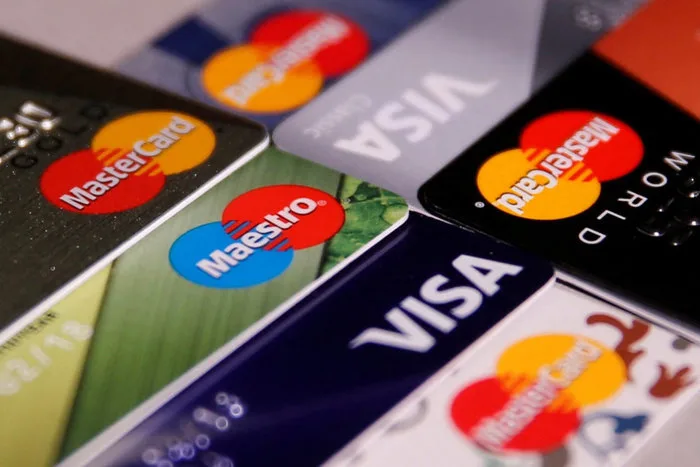
Visa, Mastercard Reach Settlement in 20-Year Feud: What This Means for Shoppers and Merchants

By Andrew Moran
Visa and Mastercard reached a $30 billion settlement on Nov. 10 following a 20-year lawsuit alleging anticompetitive behavior.
The new agreement between the credit networks would provide merchants with flexibility, more options, and “meaningful relief.”
Visa and Mastercard would lower their swipe fees by an average of 0.1 percent for five years, saving businesses approximately $30 billion.
Stores would be permitted to reject certain credit cards, effectively controlling “how they accept payments from their customers,” the companies noted.
But what does it mean for shoppers?
Key Impacts on Shoppers
Under the agreement, merchants would be allowed to turn down premium rewards cards, which typically carry higher processing fees. Stores could choose to accept only standard credit cards rather than high-reward alternatives.
As a result, retailers’ rejection of various cards could limit shoppers’ ability to earn cashback or points. This may also require shoppers to have backup payment options.
While businesses will enjoy lower interchange fees, they will be offered more options to surcharge, “including if they do not surcharge other credit networks.”
This means that merchants could choose to add a 2 percent surcharge for commercial or premium cards. Small or low-margin businesses might also offer customers a cash or debit card discount.
Despite the savings from lower swipe fees, industry experts noted that it will not immediately translate into a reduction in prices for consumers.
What Merchants Say
The industry is divided on whether this will ultimately benefit merchants and shoppers.
Stephanie Martz, chief administrative officer and general counsel at the National Retail Federation, says the settlement from the 2005 lawsuit does not go far enough.
“Once again, this proposal is all window dressing and no substance. The reduction in swipe fees doesn’t begin to go far enough, and the change in the honor-all-cards rule would accomplish nothing. If the courts can’t fix this, it’s time for Congress to take action,” Martz said in a statement.
But Richard Hunt, executive chairman at the Electronic Payments Coalition, said the comprehensive agreement offers all businesses “meaningful and significant concessions” that will save them more than $200 billion.
The settlement will halt the “misguided crusade” by lobbyists for corporate mega-stores and many politicians at the federal and state levels “to undermine our safe, secure, and efficient payment systems through untested government mandates,” according to Hunt.
People shop on Black Friday at a mall in Hanover, Md., on Nov. 29, 2024. Madalina Vasiliu/The Epoch Times
While the deal will provide small and temporary reductions in swipe fees, the National Grocers Association argued that the resolution has failed to provide relief for both community grocers and working families.
“Independent grocers, operating on net margins of less than 2%, have been hit hardest by rising swipe fees, which grow faster than inflation and cost consumers and businesses over $100 billion annually,” Chris Jones, the association’s chief government relations officer and counsel, said in a statement.
“This settlement leaves Visa and Mastercard’s price-fixing structure fully intact, to the detriment of Main Street businesses and Americans everywhere.”
Austen Jensen, senior executive vice president of public affairs at the Retail Industry Leaders Association, said the solution might be to pass the Credit Card Competition Act to reduce costs.
The Credit Card Competition Act was bipartisan legislation introduced in 2023. The bill, proposed in the House and Senate, aims to enhance competition among credit card networks, thereby decreasing merchant swipe fees and lowering prices for consumers.
“The plan to limit interchange fees by only a small fraction does not offset the increases that have occurred over the past several years—let alone the last two decades,” Jensen said in a statement.
Although the proposal tweaks the “honor all cards” rule, it leaves Visa and Mastercard’s market dominance untouched and continues to saddle merchants with the costliest card types, he said.
The agreement will now progress to judicial review.


More Stories
Russia Bans Producers From Exporting Gasoline
By Guy Birchall Russia extended a temporary ban on gasoline exports to producers, Moscow said on April 2, citing the...
Who is Tiger Woods? Age, Marriage, Children, and Recent Controversy
Tiger Woods is one of the most famous American golfers. He is known as one of the greatest golf players...
Oil Falls, Stocks Jump on Renewed Hopes of Iran War Ending
By Tom Ozimek Oil prices dropped and stocks around the world rallied on April 1 on renewed hopes of a...
US Appeals Court Blocks Judge’s Rulings Against Trump Immigration Detention Policy
By Jack Phillips A U.S. appeals court on Tuesday halted a federal judge’s nationwide rulings that blocked the Trump administration...
Trump Says He’s Strongly Considering Pulling US Out of NATO
By Guy Birchall U.S. President Donald Trump said he is strongly considering withdrawing the United States from NATO, in comments...
Iran’s Top Leader Issues Statement Saying Regime Will Keep Backing Anti-Israel Forces
By Jack Phillips Iran’s top leader released a new statement on April 1 saying the Iranian regime will continue to...