

Audi’s Bold F1 Debut Takes Shape for 2026

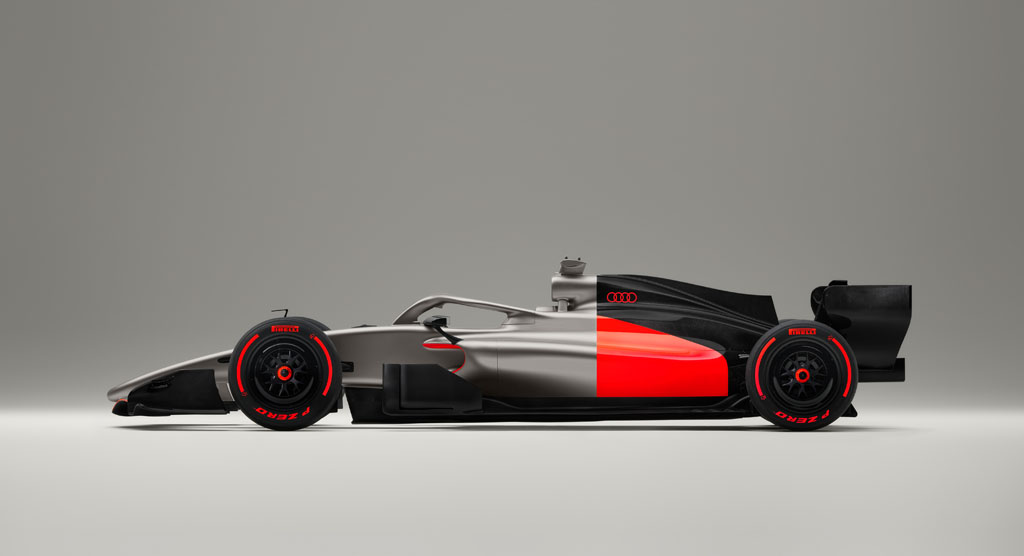
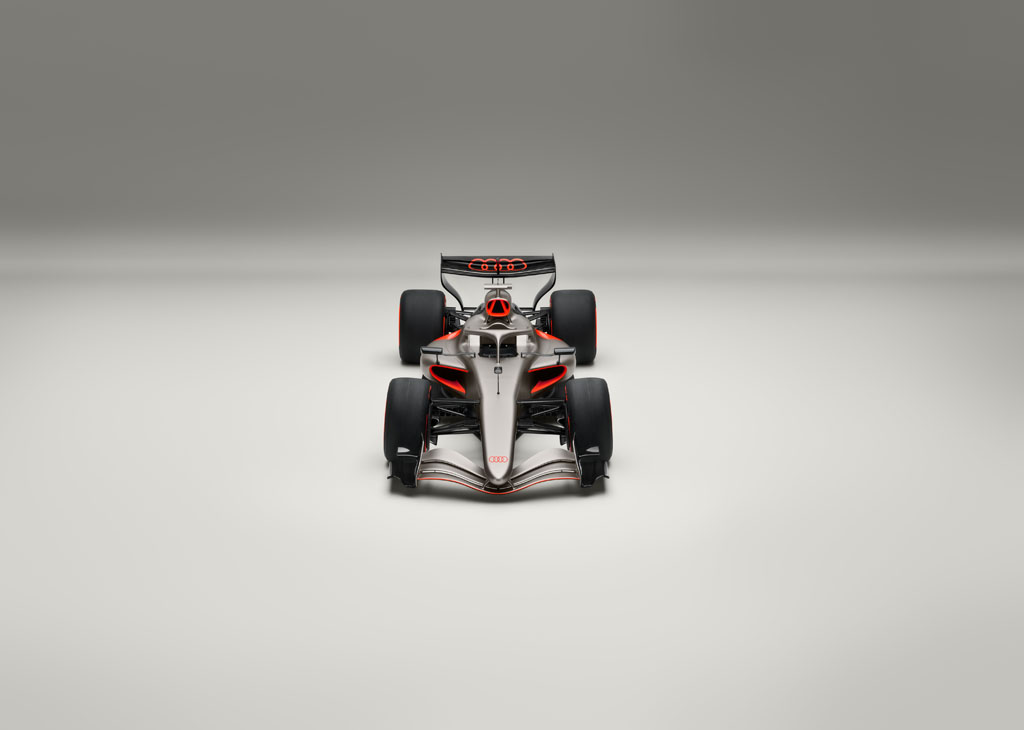
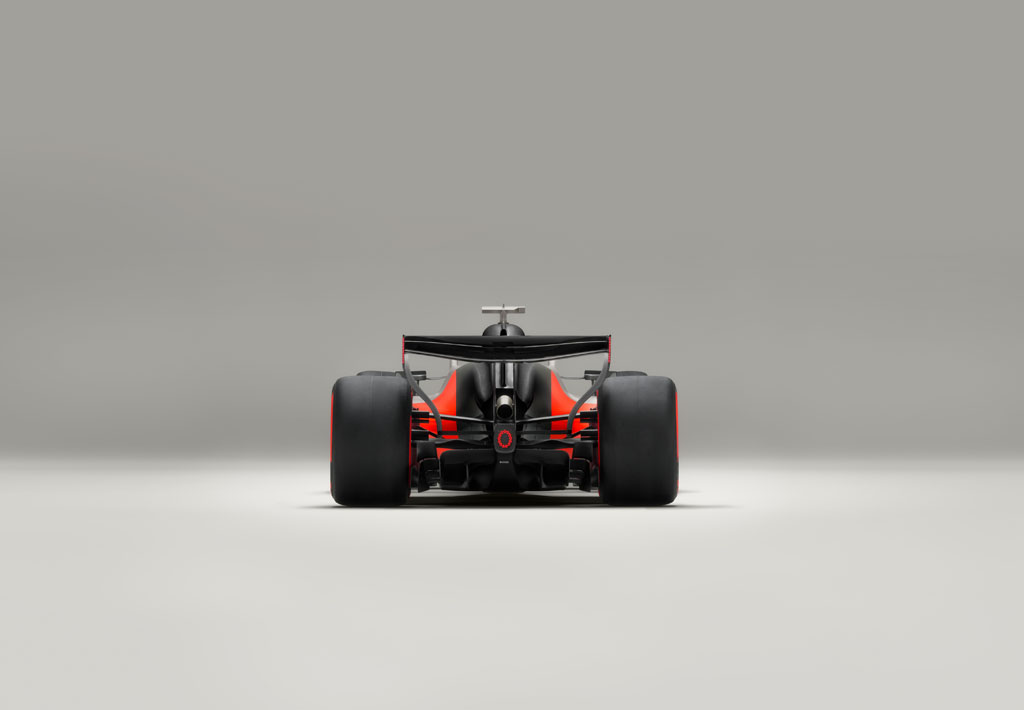
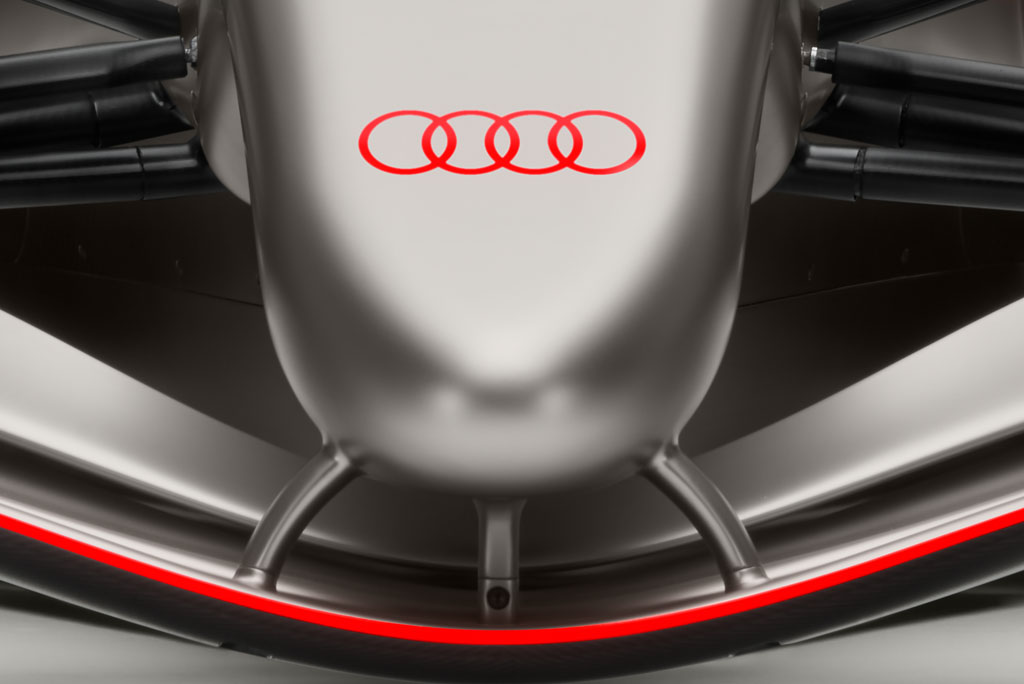
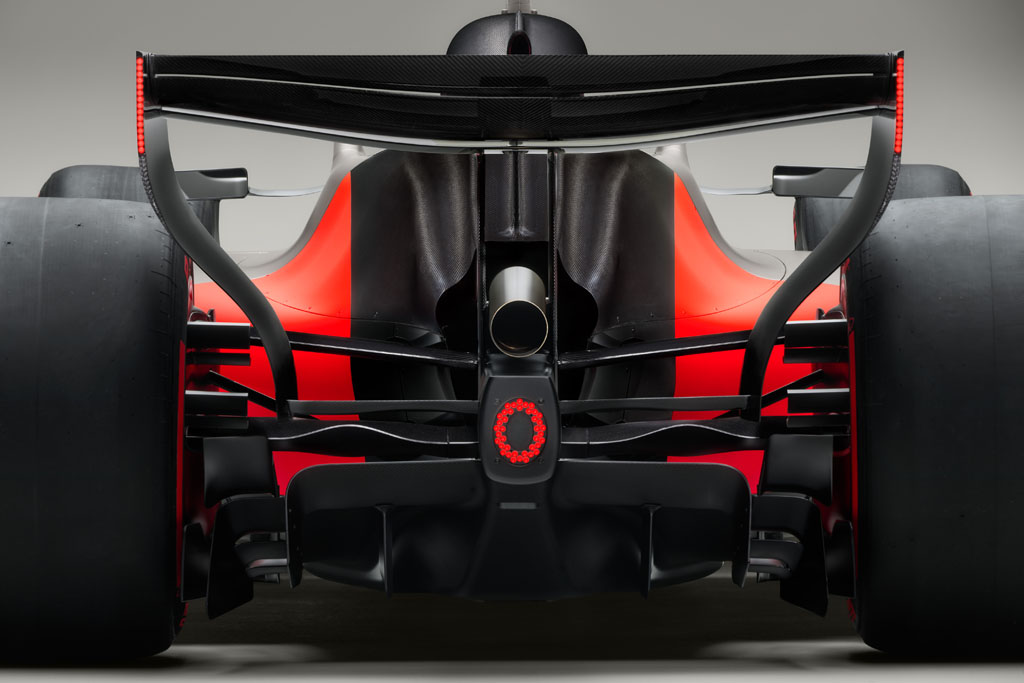
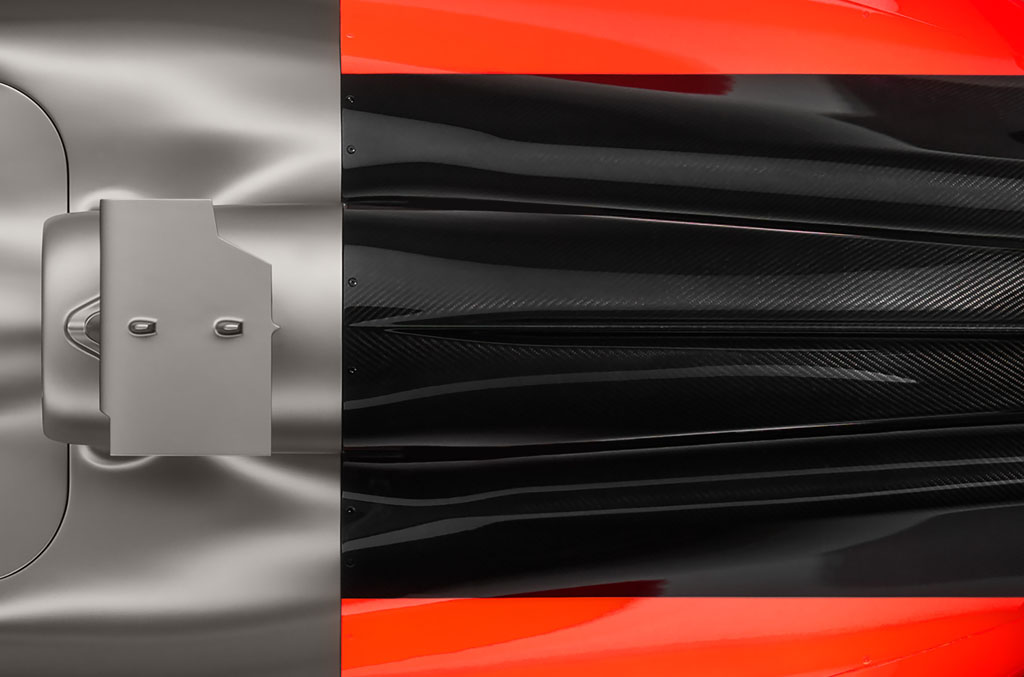
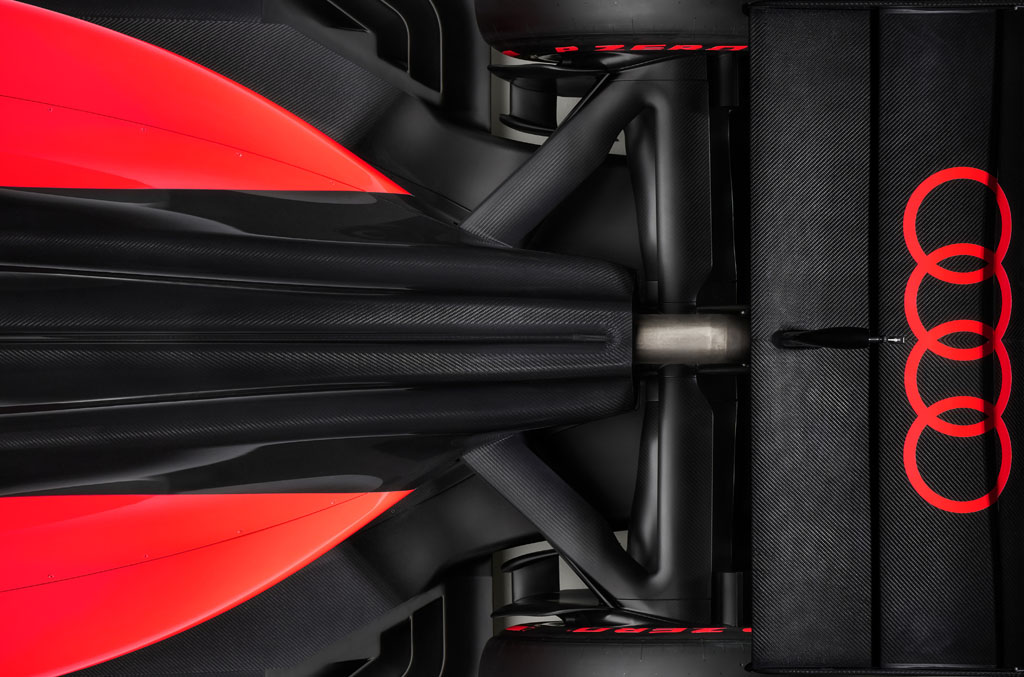
Audi picked a perfect moment to step onto the Formula 1 grid. With sweeping 2026 rules reshaping aerodynamics, power units, and energy recovery, the brand is using the reset to launch a full works effort built around its own hybrid power unit and a clean-sheet race operation. At a reveal in Germany, the company previewed a striking livery that blends titanium silver, gloss carbon, and a vivid Lava Red accent, setting the tone for an identity that feels both heritage-rich and future-focused.
What makes 2026 such a tantalizing entry point is the new power formula. The next-gen hybrid increases the electrical share dramatically, moving toward near parity between the motor and the 1.6-liter V6 while running on advanced sustainable fuels. The MGU-K output triples to as much as 350 kW, and overall efficiency targets rise with it, making energy deployment and harvesting a bigger strategic lever than ever.
Audi is not dabbling. It has stitched together a three-country footprint to move fast and scale up. Chassis work and final car build live in Hinwil, Switzerland. Neuburg an der Donau, Germany, is the heartbeat for power unit development, rig testing, and a mission control room that links factory engineers to the garage and the pit wall on race weekends. A technology office in Bicester, England, keeps the team plugged into the broader F1 ecosystem. It is a modern, data-rich triangle designed to compress learning curves and shorten the path from simulation to track.
Leadership comes with big-race experience. Former Ferrari boss Mattia Binotto is charged with steering operations and technology, while Jonathan Wheatley, long regarded for his race operations acumen, is set to serve as team principal at Sauber as the organization transitions into Audi’s works squad. The pairing is meant to blend deep technical oversight with sharp, race-day decision making.
On the driver front, Audi has already planted a flag with Nico Hülkenberg, who signed on early to help guide the development push. The second seat has been closely watched, with Gabriel Bortoleto widely linked to the project as Audi shapes its long-term lineup. Expect experience and youth to converge as testing ramps up ahead of the first 2026 runs.
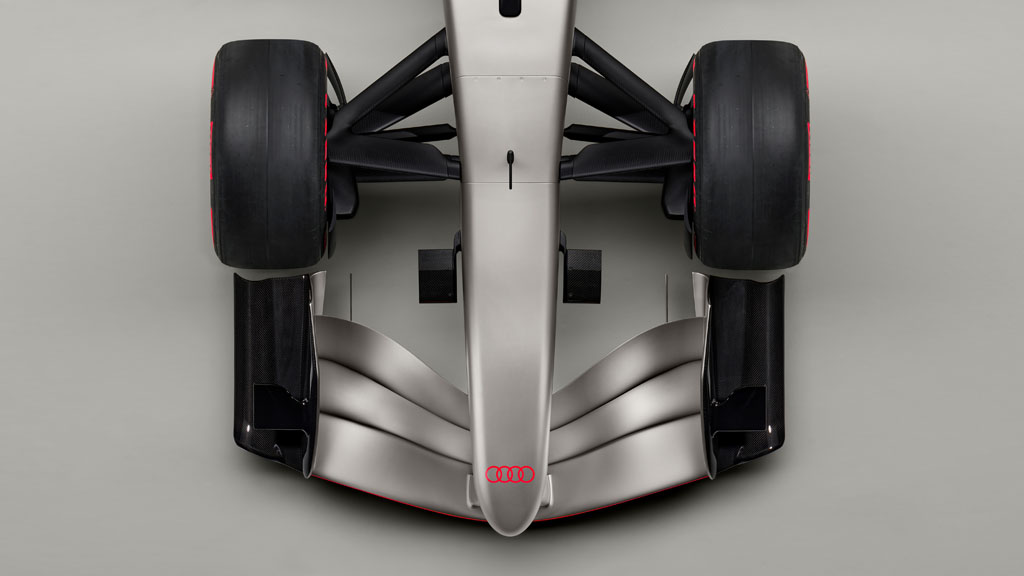
The car itself leans into the new packaging reality of 2026. It is narrower and visually cleaner, with active aero front and rear to balance low-drag efficiency on straights with the downforce required in corners. Audi’s concept look keeps the bodywork purposeful and uncluttered, the Lava Red line emphasizing a needle-nose profile and sculpted rear surfaces. It is show car cool with clear hints of how the real thing will manage airflow when the covers come off next year.
All of this is happening at pace. Neuburg has been reworked to handle F1-specific assembly and endurance testing, down to newly built labs for battery development and charging protocols. The mission control room can seat dozens of engineers on a live weekend, feeding real-time insights back to the garage while correlating with simulator teams in Germany and car crews in Switzerland. Audi’s approach mirrors the most effective F1 outfits by treating race day as a distributed computing problem as much as a mechanical one.
The to-do list is still long. Parts must flow seamlessly from the power unit line to the chassis shop. 2026 testing will squeeze timelines, so early reliability and correlation will be everything. Yet Audi’s message is clear. The brand is ready to do the hard yards, accept the learning curve, and grow into a contender as the rules mature. The official team launch is slated for January 2026, with lights out for the season in Melbourne on the weekend of March 6. The next milestone is simple and massive at the same time. Make the grid, gather data, then get faster every single round.
Key takeaways for fans and tech heads alike are easy to love. The livery pops in person, the facility investment looks serious, and the leadership spine has been chosen to thrive under pressure. If Audi’s first phase is about building foundations, its second will be defined by how quickly it can turn simulations into points. For a company with history that dates back to the Auto Union grand prix monsters, that journey is part of the thrill.
SEO highlights: Audi F1 2026 livery preview, Lava Red and titanium silver colorway, Audi hybrid power unit with higher MGU-K output, Hinwil chassis base and Neuburg power unit hub, leadership by Mattia Binotto and Jonathan Wheatley, Nico Hülkenberg signed for 2026, first race weekend March 6 in Melbourne.






More Stories
The Complete Giovanna Wheels Buying Guide: Everything You Need to Know Before You Buy
Giovanna has built a strong name in the U.S. custom wheel market by offering true luxury-inspired design at a price...
2026 Hyundai Palisade Sales Resume After Hyundai Finalizes Rear Seat Safety Fix
Just weeks after we covered Hyundai’s stop-sale order on certain 2026 Palisade models, the story has taken an important turn....
Forza Horizon 6 in Japan Looks Like the Fan Dream That Finally Got It Right
After years of rumors, wishful thinking, and constant fan requests, Forza Horizon 6 looks set to deliver the setting players...
Why Every Modern Driver Should Consider a Car Tuner Like the Monte GTR
Modern vehicles are more advanced than ever. From turbocharged engines to intelligent fuel management systems, today’s cars are designed to...
UK March 2026: Jaecoo 7 overall best-seller!
The Jaecoo 7 is #1 in the UK in March. It’s a strong month for UK new car sales, with...
How to Buy Rare Classic Cars at Salon Privé London’s Exclusive Concours de Vente
Salon Privé London is set to return to the historic Royal Hospital Chelsea this April, bringing back its highly anticipated...