
4 books we can’t wait to read this month

Bookstores and libraries will undergo big changes in November.
There are always new books hitting shelves, of course, but the first couple weeks of November are unusually jammed with big-name authors such as Patti Smith (the “Just Kids” writer has another memoir, “Bread of Angels”), Nate Berkus (the designer wrote “Foundations,” about making a home) and, inevitably, Taylor Swift (she’s not the author of “Swifterature,” actually, but Elly McCausland’s book is about the relationship between Swift’s lyrics and literature).
“Declaring Independence,” Edward J. Larson
Get ready for a million books about 1776, in anticipation of our country’s 250th birthday next year. This one, from a Pulitzer Prize winner (for his brilliant book about the Scopes monkey trial, “Summer for the Gods”), focuses narrowly on that pivotal year. Larson traces the events that took the Founding Fathers from barely thinking about the idea of independence in January to declaring it just a few months later. Subtitled “Why 1776 Matters,” the book also argues that July wasn’t an open-and-shut declaration, with the following months producing lots of colonial handwringing. (Nov. 11)
“Palaver,” Bryan Washington
As in his bestselling novel “Memorial,” mothers, sons and Japan preoccupy Washington in his latest, which is about how sometimes you have to leave home to get a handle on what it is. A gay man and his estranged mom, originally from Texas, both end up in Tokyo and both fall in love there (with different men, fortunately). The fourth book from the 32-year-old Washington, “Palaver” already has been longlisted for the National Book Award. (Out now)
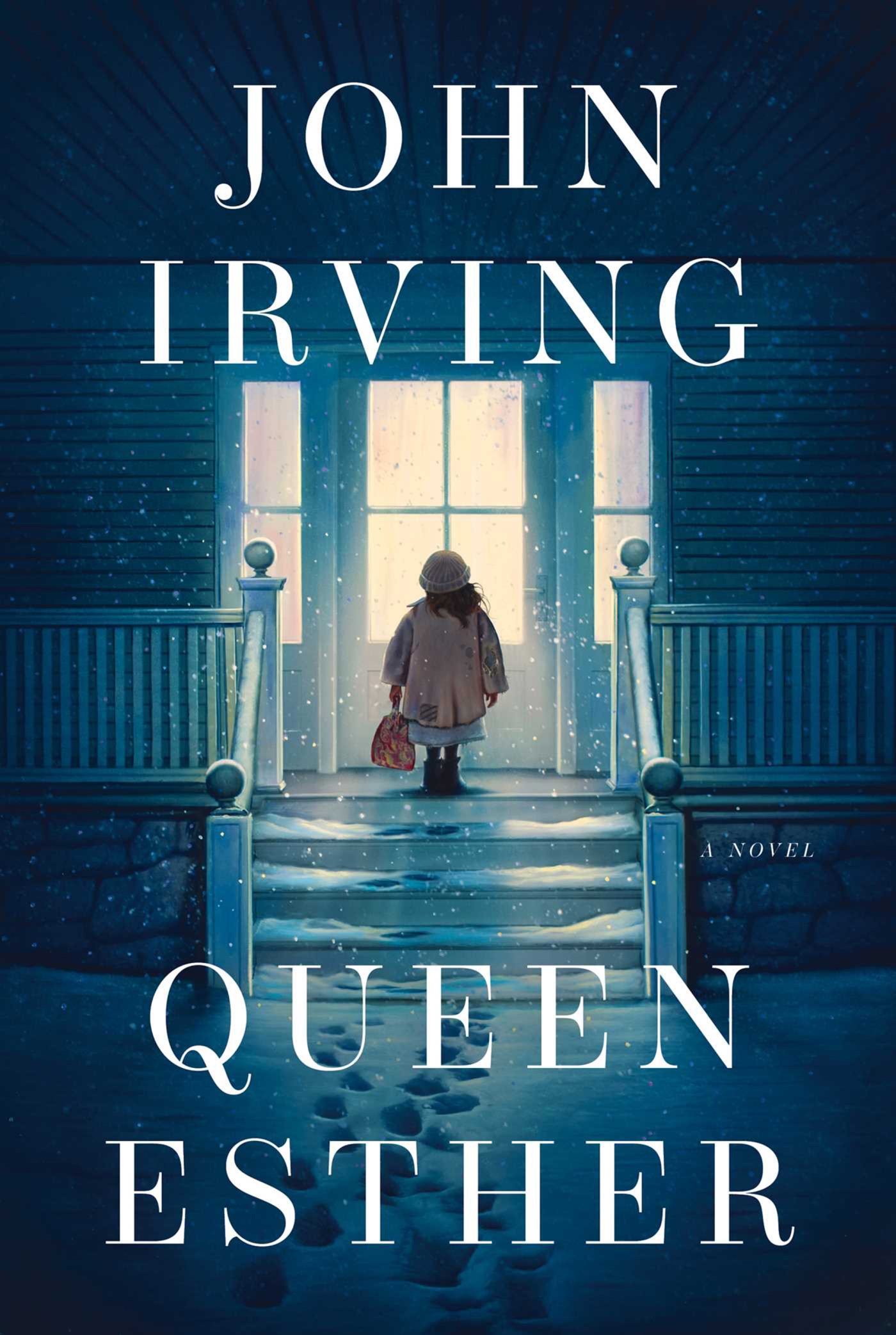
“Queen Esther,” John Irving
There was a time when a new title from the author of the National Book Award-winning “The World According to Garp” would have been huge news but a few wan titles in a row may have lowered his stock. (Remember “The Last Chairlift” from 2022? Exactly.) Perhaps a sequel can restore some of his luster?
“Queen Esther” brings back Dr. Wilbur Larch and St. Cloud’s Orphanage, both featured in “The Cider House Rules,” which was not only a bestseller but also won Irving an Oscar for writing the 1999 movie adaptation. “Queen Esther” refers to a Jewish girl, fleeing antisemitism, who grows up at the orphanage; the novel traces her life into her eighth decade. (Out now)
“Wild Instinct,” T. Jefferson Parker
His trophy case boasts three Edgar Awards, the Oscars of mystery writing, but somehow Parker doesn’t have the profile that peers such as Michael Connelly do. That may be because most of his books are stand-alone titles, rather than series with recurring characters.
“Wild Instinct” starts out with an upsetting bit of news: A wealthy California businessman has been mauled and killed by a mountain lion. Then, the detective hired to vaporize the homicidal mountain lion discovers the animal is getting a bum rap — the businessman had been murdered before the mauling began. (Nov. 11)
Tribune News Service

More Stories
Middle East war triggering global energy ‘shock’ – IMF
Disruptions to oil and gas supplies will leave lasting “scars” on the world economy, managing director Kristalina Georgieva has said...
What is fueling unrest across the EU?
The bloc is facing an energy crisis due to the Strait of Hormuz disruption, with soaring diesel prices triggering protests...
OECD urges reeves to overhaul ‘inefficient’ UK tax system
Rachel Reeves has been told by one of the world’s most influential economic bodies that Britain’s tax system is holding...
Easter lifts footfall but retailers brace for April cost squeeze
Britain’s high streets enjoyed a welcome lift last month as an early Easter drew shoppers back through the doors, but...
Google takes on Opentable with AI that books your dinner in seconds
Google has fired the opening shot in a battle for Britain’s restaurant booking market, rolling out an artificial intelligence tool...
Retail backers of SEIT face wiping out half their money as green trust raises the white flag
Thousands of small investors who piled into one of London’s best-known green investment vehicles are staring down the barrel of...