
Chrysler Recalls 320,000 Jeep Plug-In Hybrids Over Battery Fire Risk

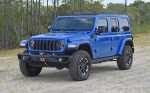
Chrysler is recalling more than 320,000 Jeep plug in hybrids after regulators flagged a battery defect that can fail and potentially cause a fire. The action affects two of the brand’s most visible electrified models and arrives with clear instructions for owners while the company works on a fix.
The recall covers an estimated 228,221 Wrangler 4xe SUVs from model years 2020 to 2025 and 91,844 Grand Cherokee 4xe SUVs from model years 2022 to 2026. Chrysler, part of Stellantis, says it is aware of 19 reports and one injury that may be linked to the issue. Until repairs are available, owners are advised to park the vehicle outside and away from structures and to avoid charging the battery. That guidance comes directly from the National Highway Traffic Safety Administration and is a standard precaution when an unresolved high voltage battery concern exists.
Chrysler will mail interim notification letters by December 2, 2025, with a second round of letters to follow once the final remedy is ready. The campaign is identified as recall 68C. Owners can reach Chrysler customer service at 800 853 1403, and Vehicle Identification Numbers will be searchable for this campaign on NHTSA.gov starting November 6, 2025. Vehicles that were previously repaired under earlier battery related recalls will still need to receive the new remedy when it becomes available. The battery packs in question were manufactured by Samsung SDI America in Auburn Hills, Michigan.
For owners, the immediate steps are straightforward. If you have a Wrangler 4xe from 2020 through 2025 or a Grand Cherokee 4xe from 2022 through 2026, park it outdoors, keep it away from buildings, and pause any charging until Chrysler provides an approved repair. Watch your mailbox for the interim letter, check your VIN on NHTSA’s recall site once the campaign goes live, and contact Chrysler with recall 68C if you have questions.
Plug in hybrids deliver valuable electric miles for daily driving, but high voltage systems demand robust thermal management and diagnostics. The park outside directive is a proactive way to reduce risk while engineers finalize a remedy, and quick owner action helps ensure everyone stays safe as electrification continues to scale across mainstream lineups.


More Stories
France February 2026: Citroen C3 best-seller, Renault Clio VI back outside Top 10
The Citroen C3 is the most popular vehicle in France in February. It’s another horrendous month for new car registrations...
New Zealand January 2026: Mitsubishi (+42%), Nissan Navara (+139.6%) stand out in solid market
Promotions on the outgoing generations push the Nissan Navara to #4. New light vehicle sales in New Zealand are up...
Uganda: 2013-2025 Historical Data now available
Historical Data for over a decade is now available on BSCB. All the direct links are below. Uganda Full Year...
Cote d’Ivoire (Ivory Coast): 2011-2025 Historical Data now available
Historical Data for over a decade is now available for Cote d’Ivoire (Ivory Coast). The direct links are below. Cote...
Guatemala Full Year 2025: Toyota Hilux, Isuzu D-Max and Mitsubishi L200 top surging market
This content is for members only. Visit the site and log in/register to read.
Uganda Full Year 2025: Toyota Hilux and Land Cruiser 70 hold 49.7% combined
This content is for members only. Visit the site and log in/register to read.