
Canseco: We need coherent border policy to counter cartels

The U.S.-Mexico border has always been a politically charged flashpoint. For years, under Republican and Democratic administrations, both countries have felt the pressure of policies shaped by headlines and political commentary rather than common-sense solutions and results. This is especially true for those living and working in border communities.
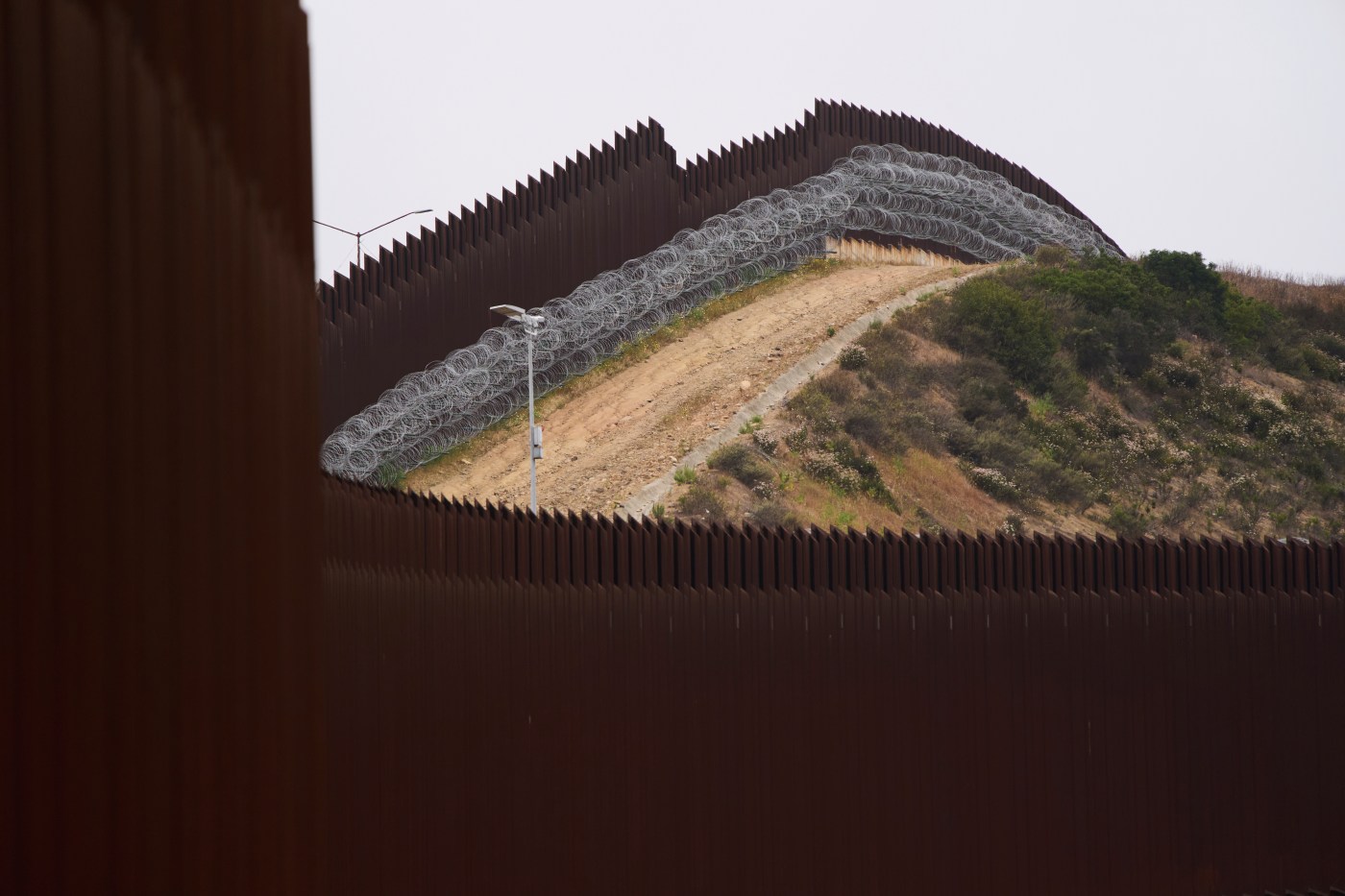
Commerce is of singular importance to the region, notwithstanding the politics that affect it. The borderlands are plagued by nefarious activity, including drug trafficking, cartel violence and human smuggling. Too often, the 1,200-mile stretch between the two countries reflects the consequences of failed coordination, missed opportunities and general mistrust.
The questions remain: What specific actions can the United States and Mexico take to enhance cooperation in addressing crime along the border? How might the economic effects of bans on consumer goods be measured in regions affected by cartels? What role do local communities play in shaping policies that could help combat organized crime and improve border security?
This growing threat demands more than U.S. enforcement. It requires a serious and consistent cooperative partnership with Mexico. The United States is collaborating with Mexico to address national security concerns.
Take fentanyl, for example, a drug wreaking havoc nationwide. The United States has taken aggressive steps to stem the flow of fentanyl, and the Mexican government, under President Claudia Sheinbaum Pardo, has shown it can be a valuable ally in this mission.
Yet, the partnership succeeds only if both countries commit to playing by the same rules, aligning enforcement priorities, economic objectives and public health strategies.
Unfortunately, prior actions by both countries risk undermining that cooperation. Mexico recently enacted a constitutional ban on e-cigarettes, prohibiting their import, sale, distribution and promotion. However, since Mexico’s tobacco industry is accessible to all its citizens, the ban allows cartels to step in and fill the consumer demand.
Bans on consumer goods do not eliminate demand; they shift the market to the dangerous underground, creating a $260 million black market controlled by organized crime groups.
When governments ban or artificially inflate the cost of products that people want, especially products seen as healthier or better choices for consumers, they create a vacuum that cartels are more than willing to exploit. These policies include medical goods and pharmaceuticals, firearms and, possibly, produce.
Without shared goals and mutual trust, we will not weaken the cartels; we will only strengthen them.
As both countries shape their national security and border priorities, they must work toward practical policies. Reckless bans not only fail to stop criminal activity, but they also inadvertently empower it. That means rejecting short-sighted prohibitions in favor of coordinated regulation that promotes safety, public health, and legitimate cross-border trade.
Francisco Raul “Quico” Canseco, R-Texas, is a former member of Congress.

More Stories
St. Paul issued 3,253 tickets, 952 tows during recent snow emergency
The ghost of the nearly record-breaking snowfalls of 2022-2023 haunted St. Paul’s snow emergency this week, forcing the city’s Public...
Mizutani: Vikings shouldn’t take Justin Jefferson for granted
There was a lot of talk this week about the culture that Kevin O’Connell has worked hard to build in...
Vikings picks: Pioneer Press ‘experts’ split on this one
Pioneer Press staffers who cover the Vikings take a stab at predicting Sunday’s game against visiting Washington: Dane Mizutani Commanders...
Al menos 11 personas, incluidos tres menores, mueren en un tiroteo en un bar en Sudáfrica, según la policía
CIUDAD DEL CABO, Sudáfrica (AP) — Al menos 11 personas, incluidos tres menores, mueren en un tiroteo en un bar...
Adrian Wooldridge: The West is facing five fearsome new giants
The Second World War was won on the home front as well as the battlefield. As early as 1942, the...
Un tiroteo en un bar causa al menos 11 muertos en Sudáfrica
Associated Press CIUDAD DEL CABO, Sudáfrica (AP) — Al menos 11 personas, entre las que había tres menores, fallecieron a...