
Editorial: Mass & Cass crisis outscores costly new NWSL stadium

Boston’s plan to tackle the open-air drug market at Mass and Cass is a failure. Now what?
Boston Public Health Commissioner Bisola Ojikutu admitted that the city’s plan to deal with recurrent issue of drug trafficking and rampant addiction in the area that started with removing the tent encampments in late 2023 “has not worked.”
The problem didn’t go away once the tents did, it just moved. Now residents say the spillover into their neighborhoods is “out of control.”
“It feels as though very little that any of us are doing to combat this drug use epidemic is actually working,” Ojikutu said. “People out in the street, injecting each other in the neck — I mean, nobody wants this. And I think that we have failed in terms of the drug use epidemic.
“So, if that’s what you want me to say, then I’m admitting that we have failed.”
What we want the city to say is that it’s giving at least as much attention and resources to the problem as it is to building a new stadium for a nascent women’s soccer franchise, or adding miles of bike lanes around Boston. Those “milestones” lose their luster when addicts and dealers continue to congregate en masse on our streets.
This is a reset moment, when Boston leadership has to ask itself what’s really important.
During a March appearance on “The Daily Show,” Mayor Michelle Wu said “we’re the safest city because we are safe for everyone.” She was speaking about her testimony before Congress on Boston’s sanctuary city status, but the statement stands.
Ask the residents of neighborhoods affected by the Mass and Cass migration if they feel safe.
“The conditions in the South End, Roxbury, Mass and Cass, and beyond are inhumane and out of control,” Jonathan Alves, president of the Blackstone Franklin Square Neighborhood Association, said. “Inhumane for the people who are addicted and rotting on our streets, inhumane for the residents, for the families, inhumane for the businesses, inhumane for everyone.”
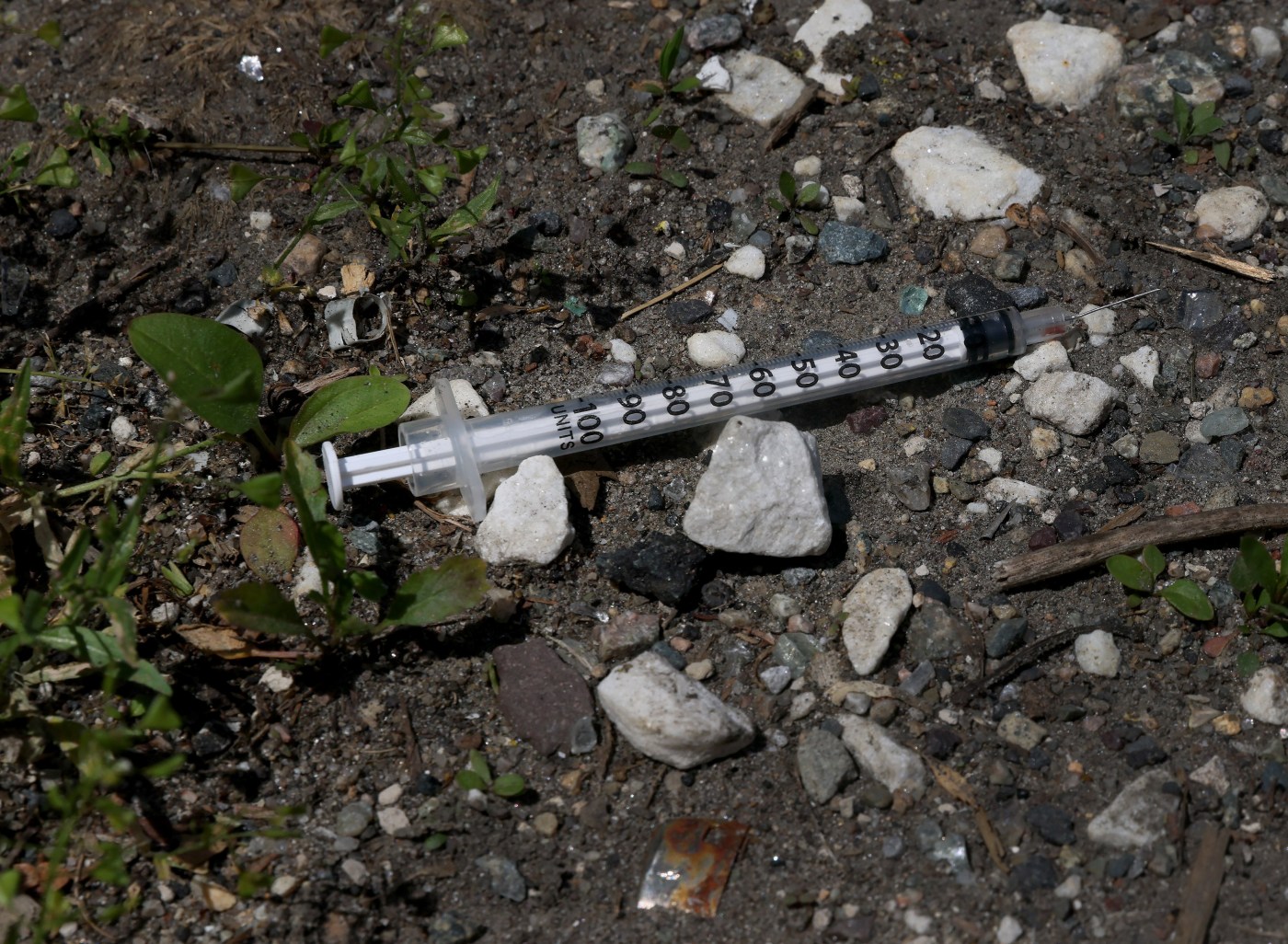
While Boston watches the bill for a revamped White Stadium hit $91 million+, residents and businesses in those neighborhoods are sidestepping human defecation and discarded needles on streets and sidewalks, and witnessing frequent drug interactions, and in some instances, related violence.
The city needs a new sports stadium for student athletes, but that can be done for about $20 million. Imagine what could be accomplished in terms of adding recovery spaces and services in addiction- and trafficking-affected neighborhoods?
A big problem such as this doesn’t have to be tackled alone. Governor Maura Healey is closing most of the hotel shelters used for migrants and local homeless families in the state. We’re set to hit another $1 billion in spending on housing and caring for migrants. If the caseloads are decreasing, as Healey’s administration says, that frees up funding. Send it Boston’s way, to give financial muscle to the problem afflicting Mass and Cass and Beyond.
“We want to see a change, a material change. We want to see zero needles on the street. We want to see zero open-air drug use. That is what we want to see.” Alves said.
Boston leaders should want to see that too, as much if not more than a goal scored by Boston Legacy FC.
Editorial cartoon by Steve Breen (Creators Syndicate)

More Stories
‘Dilbert’ cartoonist Scott Adams dies at 68
“Dilbert” cartoonist Scott Adams is dead at 68. The satirist from Windham died following a long battle with prostate cancer,...
Barclays backs ThruDark retail expansion with £4m trade loan
Barclays has provided a £4 million trade loan to British high-performance apparel brand ThruDark, supporting its continued growth and accelerating...
Clintons refuse to testify in House Epstein investigation as Republicans threaten contempt charges
By STEPHEN GROVES WASHINGTON (AP) — Former President Bill Clinton and former Secretary of State Hillary Clinton say they will...
Clintons refuse to testify in House Epstein investigation as Republicans threaten contempt charges
By STEPHEN GROVES WASHINGTON (AP) — Former President Bill Clinton and former Secretary of State Hillary Clinton say they will...
‘Dilbert’ cartoonist Scott Adams dies at 68
“Dilbert” cartoonist Scott Adams is dead at 68. The satirist from Windham, New York, died following a long battle with...
Trump administration ending protected immigration status for some Somali immigrants
The Trump administration is ending protected immigration for Somali immigrants with Temporary Protected Status. “Temporary means temporary,” Homeland Security Secretary...