
Editorial: Power grid shows it’s ready to meet region’s demand

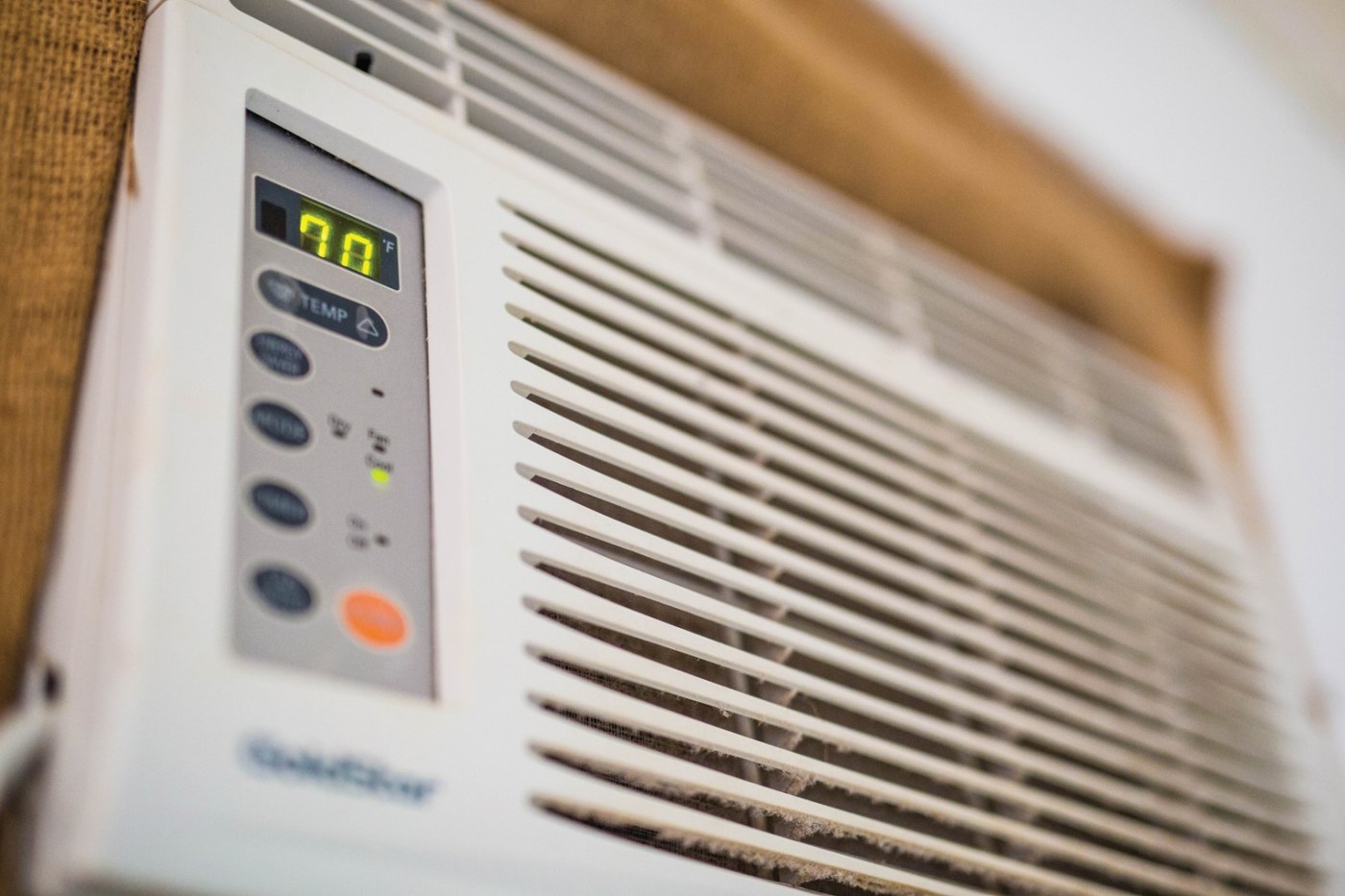
With every air conditioner in our area running 24/7 over the last several days due to a heat wave that pushed temperatures to 100 degrees and above, you might be wondering if ISO New England, the operator of the region’s power grid, has managed to keep up with demand.
Back in May, ISO NE indicated it expected to have an energy supply sufficient to meet consumer demand for electricity over the summer.
The utility’s usage estimates were put to the test this week.
Consumer demand for grid electricity unofficially peaked Tuesday evening at 26,024 megawatts (MW), the highest level seen in the region since 2013. That demand number virtually matched ISO NE’s estimate for peak demand, 25,886 MW.
And following the unexpected loss of generation late that afternoon, ISO NE managed the regional grid under a Power Caution, which allows system operators to take additional actions, including calling on reserve resources, to balance the system.
Last year, consumer demand for electricity peaked July 16 at approximately 24,000 MW — roughly in line with ISO New England’s forecast summer peak under typical weather conditions. The highest demand for electricity in New England occurs in the summer because of air conditioning use.
The assimilation of several factors all contribute to ISO NE’s nearly spot-on demand estimates.
ISO creates forecasts of available capacity for each summer and winter season, taking into account estimated contributions from all resources, including demand response, unplanned resource outages and imports from neighboring regions, and resource additions and retirements.
It takes this forecasted available capacity and compares it to expected consumer demand in both normal weather conditions and warmer than normal weather conditions in order to prepare and plan for the increase in electric demand over the summer months.
Weather is the main driver of energy use, and the National Oceanic and Atmospheric Administration (NOAA) predicts warmer than normal temperatures in New England this summer, with precipitation above normal in most of New England, except for northern Maine.
The results of the ISO’s capacity analyses and energy assessments show the region can expect to have adequate supply to meet consumer demand and required reserves this summer.
While ISO anticipates adequate electricity capacity for homes and businesses this summer, several consecutive days of hot and humid weather, loss of generation, or other factors could cause periods of tight supply margins.
Simply stated, expectations don’t always jibe with reality. That’s why ISO system operators’ training leaves them well prepared to manage unexpected situations and abnormal conditions that may arise and affect energy demand or supply.
System operators can count on numerous tools to balance load, including increasing production of online generation, dispatching stand-by units, requesting maintenance be deferred, increasing imports, and voluntary reductions of energy use and other energy conserving measures.
We’re presently enjoying a respite from the heat and humidity, but it’s expected to return next week.
Fortunately, unlike other parts of the country, we can count on our regional power grid to meet the demand.
Editorial cartoon by Joe Heller (Joe Heller)

More Stories
Mercosur y UE se alistan para la firma de histórico pacto comercial tras casi tres décadas de espera
Por NAYARA BATSCHKE ASUNCIÓN (AP) — Tras casi tres décadas de negociaciones y un sinfín de percances, el Mercosur y...
Miedo e ira se extienden tras otro tiroteo relacionado con inmigración en Minneapolis
Por STEVE KARNOWSKI, ALANNA DURKIN RICHER y HALLIE GOLDEN MINNEAPOLIS (AP) — Un agente federal disparó a un hombre en...
Lucas: Gov. Healey, have compassion for the rest of us
Memo to Maura: Show some compassion. Not for the illegal immigrants and the criminals among them who have flooded the state....
Michael Mosley goes long in ‘Signing Tony Raymond’
A redemption story set in Deep South Alabama as a college athletic coach seeks to sign a red-hot prospect, “Signing...
’28 Years Later: The Bone Temple’ does zombie world proud
Dr. Ian Kelson (Ralph Fiennes) spends a lot of time alone. Coated in iodine to stave off the zombie virus...
The power of art fuels Ralph Fiennes in ‘The Choral’
A British drama, “The Choral” looks back to 1916, a divisive time of national suffering. Thousands of English troops were...