
France: Meta-FTC trial a complete waste of time

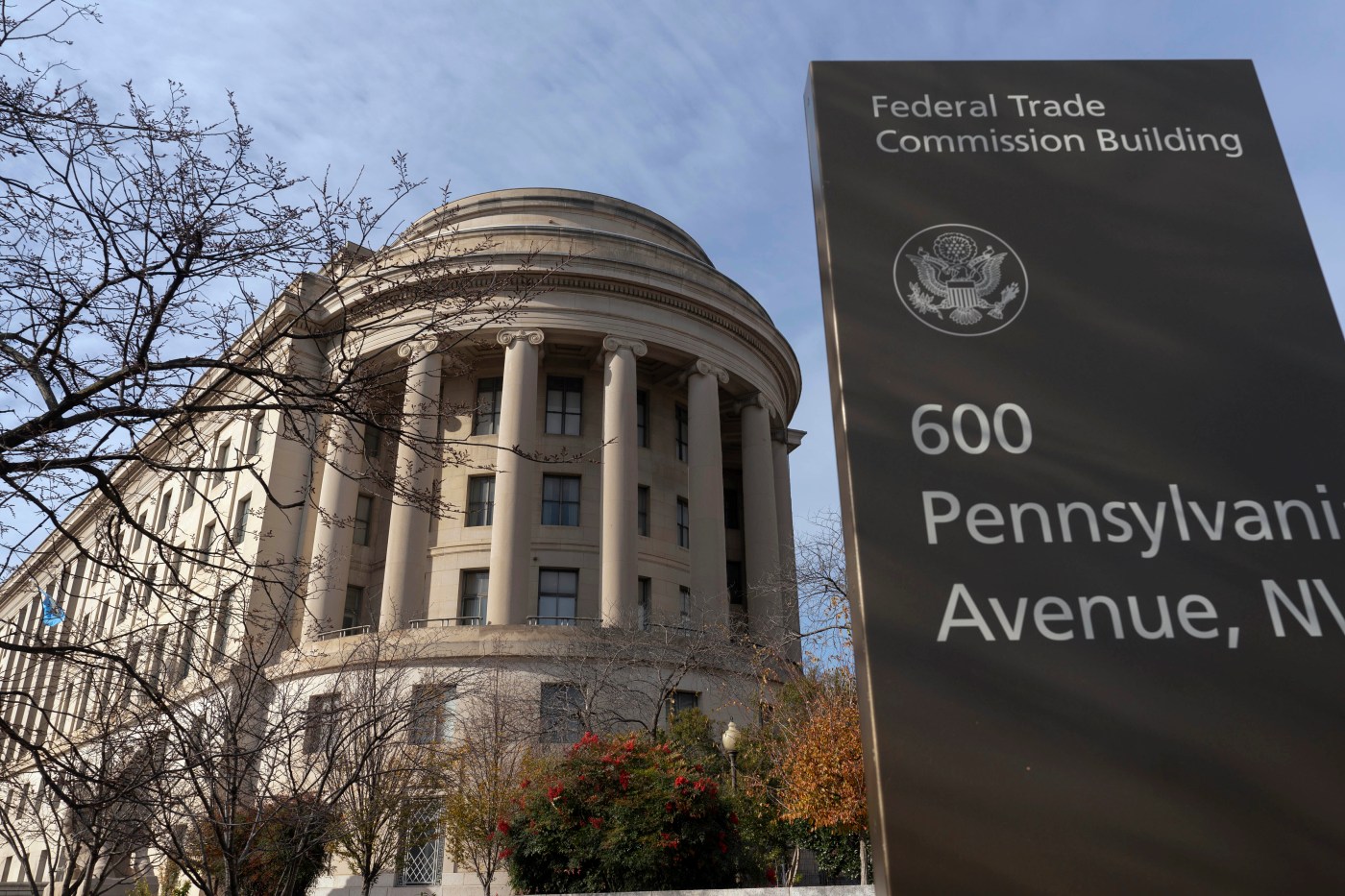
The Meta v. FTC antitrust trial, in which the Federal Trade Commission is attempting to force Meta to divest Instagram and WhatsApp, recently concluded after six weeks. Judge James Boasberg will offer his opinion once all follow-up submissions are submitted over the summer. Industry experts seem convinced that the trial will go Meta’s way, leaving many wondering what the point was.
Unfortunately for all involved, especially perhaps the FTC, the whole venture has proven a colossal waste of time. Many industry commentators thought the FTC’s case was unfounded from the beginning, and the trial has done nothing to assuage their concerns. The FTC’s probable failure is further evidence that government regulators should refrain from intervening in markets they do not fully understand.
Perhaps the most bizarre part of the trial is the market definition that the FTC chose in its attempt to prove Meta’s monopoly status. The FTC said that the major players in the “personal social networking services” market consisted of Meta, Instagram, Snapchat and MeWe. One could be excused for wondering why Meta’s actual competitors — such as TikTok, YouTube and X — have been conveniently left out of the market definition. Of course, Meta is a big scary monopoly if you include MeWe and its 20 million users worldwide while excluding TikTok and its 135 million users in the United States. It is hoped we can all agree that good regulation should start from a basis even close to resembling the market reality.
Throughout the trial, it became clear that the picture the FTC was attempting to paint of Meta and Mark Zuckerberg could only be done with extreme hindsight. The FTC made the point that Meta’s acquisition of WhatsApp for $19 billion was an example of Meta paying a premium to squash a potential competitor.
Judge Boasberg pointed to the counterexample of Instagram, acquired for “only” $1 billion in 2012. Instagram’s value has skyrocketed since the Meta acquisition, as it has acquired users and features. As Boasberg succinctly put it to the FTC’s expert witness, Scot Hemphill, “why can’t you think about it that Mark Zuckerberg is really smart” and that he saw the value where others didn’t?
The FTC’s case is one of extreme cynicism. It was never a given that WhatsApp or Instagram would flourish under Meta’s stewardship, and many witnesses testified as much. WhatsApp co-founder Brian Acton confirmed that the original vision of WhatsApp development was nothing like the social media features of Facebook, and that Meta’s acquisition allowed WhatsApp to grow into a popular service much more quickly.
In the end, the FTC decidedly failed to prove its case. This should be a cause for celebration for those who care about consumer rights and keeping the government’s regulating zeal in check.
Mackenzie France is the director of strategy at the Pinsker Centre.


More Stories
Cruz Azul se estrena en su casa provisional de Puebla y vence 2-0 al Atlas en la Liga MX
PUEBLA, México (AP) — Gabriel Fernández y José Paradela aportaron sendas dianas antes de la primera media hora para enfilar...
Norma del DHS busca acortar tiempo para que trabajadores religiosos obtengan visa de EEUU
Por TIFFANY STANLEY y GIOVANNA DELL’ORTO WASHINGTON (AP) — En un momento en que se endurecen las restricciones migratorias en...
Scituate and Pembroke play to a Patriot League Fisher tie
PEMBROKE- Coming into Wednesday evening, both Pembroke and Scituate entered a matchup at Hobomock Arena with six wins each, and...
Los 34 puntos de Murphy y la actuación decisiva de Bey llevan a Pelicans a victoria ante Nets
NUEVA ORLEANS (AP) — Saddiq Bey encestó un triple para empatar, convirtió un rebote ofensivo en una clavada y acertó...
Gophers struggle offensively in loss to No. 3 UCLA
Winners of seven of its last eight games, including a one-point win over then-No. 21 USC on Sunday, the Gopher...
El veterano Nolan Arenado espera que su llegada a los Diamondbacks lo lleve al éxito en postemporada
Por DAVID BRANDT Nolan Arenado ha sido elegido ocho veces al Juego de Estrellas, ganó ya diez Guantes de Oro,...