
Supreme Court rejects GOP-backed Montana case based on controversial election law theory

By LINDSAY WHITEHURST, Associated Press
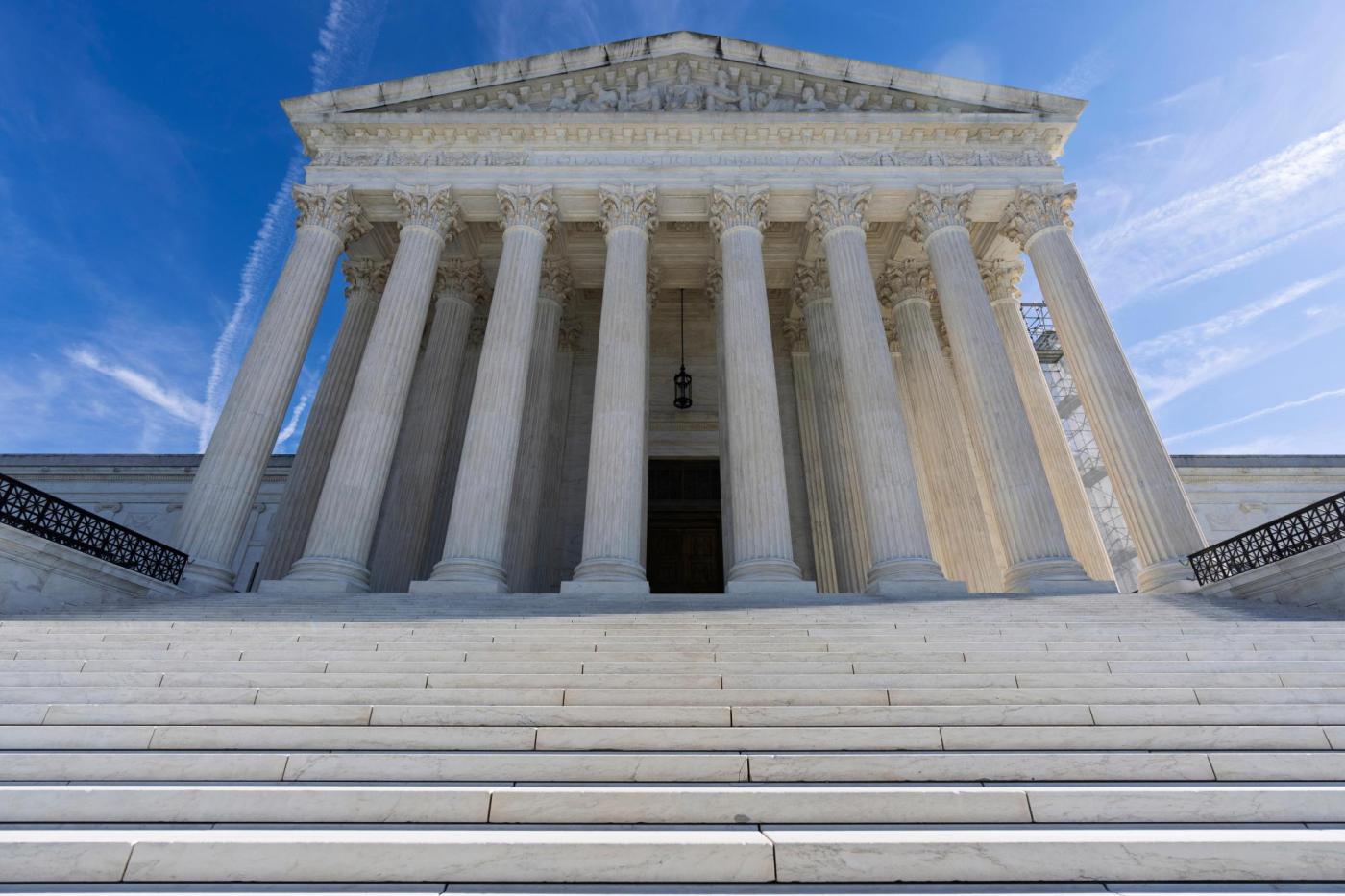
WASHINGTON (AP) — The Supreme Court on Tuesday turned back an election law case out of Montana that relied on a controversial legal theory with the potential to change the way elections are run across the country.
The high court declined to hear the case in a brief order without explaining its reasoning, as is typical.
Related Articles
Winds picking up in Southern California and at least 2 new fires break out
A rare winter storm is bringing heavy snow, sleet and ice to Texas and the northern Gulf Coast
Taliban say 2 Americans held in Afghanistan were freed in a prisoner exchange
Fire crews in Southern California quickly extinguish brush fires amid extreme fire weather
Former Planned Parenthood president, women’s rights activist Cecile Richards has died at 67
Montana was appealing a ruling that struck down two GOP-backed election laws. It’s relying on the independent state legislature theory, which holds that state judges shouldn’t be allowed to consider election cases at all.
Montana Secretary of State Christi Jacobsen argues that only lawmakers have sway over state elections under the U.S. Constitution. She asked the justices to consider the case after the state’s highest court struck down laws ending same-day voter registration and prohibiting paid ballot collection.
The Montana Democratic Party, joined by tribal organizations and youth groups, argued the laws made it more difficult for Native Americans, new voters, the elderly and those with disabilities to vote.
Courts found the laws violated the rights of voters as protected under the state constitution.
The Supreme Court largely rejected the independent state legislature theory in a 2023 case known as Moore v. Harper. That case out of North Carolina focused on a legal argument that electoral maps can’t be challenged in court.
Still, the opinion left the door open for more legal wrangling by indicating there could be limits on state court efforts to police elections.

More Stories
Koepka espera una reacción mixta a su retorno a la Gira de la PGA
Por DOUG FERGUSON HONOLULU (AP) — Brooks Koepka no sabe cómo lo van a recibir cuando vuelva a la Gira...
Trump mantiene en espera acción militar contra Irán mientras “explora” mensajes de Teherán
Por AAMER MADHANI WASHINGTON (AP) — El presidente de Estados Unidos, Donald Trump, ha llegado a un momento delicado mientras...
Vrabel y Patriots llegan confiados a la ronda divisional tras sólida actuación defensiva
Por KYLE HIGHTOWER FOXBOROUGH, Massachusetts, EE.UU. (AP) — El entrenador de los Patriots, Mike Vrabel, dejó la victoria de su...
Qué saber sobre las órdenes que usan los agentes migratorios de EEUU para realizar arrestos
Por SAFIYAH RIDDLE y VALERIE GONZALEZ A medida que el gobierno del presidente Donald Trump intensifica las redadas migratorias en...
WNBA, players’ union agree to moratorium, halting initial stages of free agency
NEW YORK (AP) — The WNBA and its players’ union agreed to a moratorium for league business Monday. The moratorium,...
Ben Johnson no se disculpa por su discurso profano tras la victoria de los Bears ante los Packers
Por ANDREW SELIGMAN Los Bears de Chicago estaban celebrando ruidosamente en el vestuario después de una remontada tardía para eliminar...